7 Best Foam Rollers for Recovery (Reduce Soreness & Improve Mobility – 2026)
Physio-reviewed rollers for post-training soreness, stiffness, and smarter mobility between sessions.
The right foam roller can support faster muscle recovery by improving circulation, reducing muscle tone, and restoring mobility between workouts. This guide reviews the best foam rollers for recovery in 2026 based on pressure control, durability, and real-world usability for active adults.
🔍 Quick Comparison: Best Recovery Foam Rollers (2026)
| Product | Density | Texture | Best For | Price | Physio Verdict |
|---|---|---|---|---|---|
| TriggerPoint GRID | Medium–firm | Textured | Overall recovery | ~£35–£40 | Best all-round balance |
| RumbleRoller Original | Firm | Aggressive | Deep tissue | ~£55–£70 | Powerful but intense |
| 321 STRONG | Medium | Light texture | Balanced daily use | ~£25–£35 | Excellent daily roller |
| Yes4All High-Density | Firm | Smooth | Budget recovery | ~£12–£18 | Simple & effective |
| Chirp Wheel+ | Firm | Grooved | Spinal mobility | ~£40–£60 | Great thoracic focus |
| RAD Helix | Firm | Helical | Targeted release | ~£40–£50 | Precision tool |
| LuxFit 36" | Medium–firm | Smooth | Full-body work | ~£20–£30 | Very versatile |
Detailed Reviews – Best Foam Rollers for Recovery
🥇 TriggerPoint GRID – Best Overall Foam Roller for Recovery
Best choice for most people who want effective recovery without excessive pain.
★★★★★(4.8 / 5)
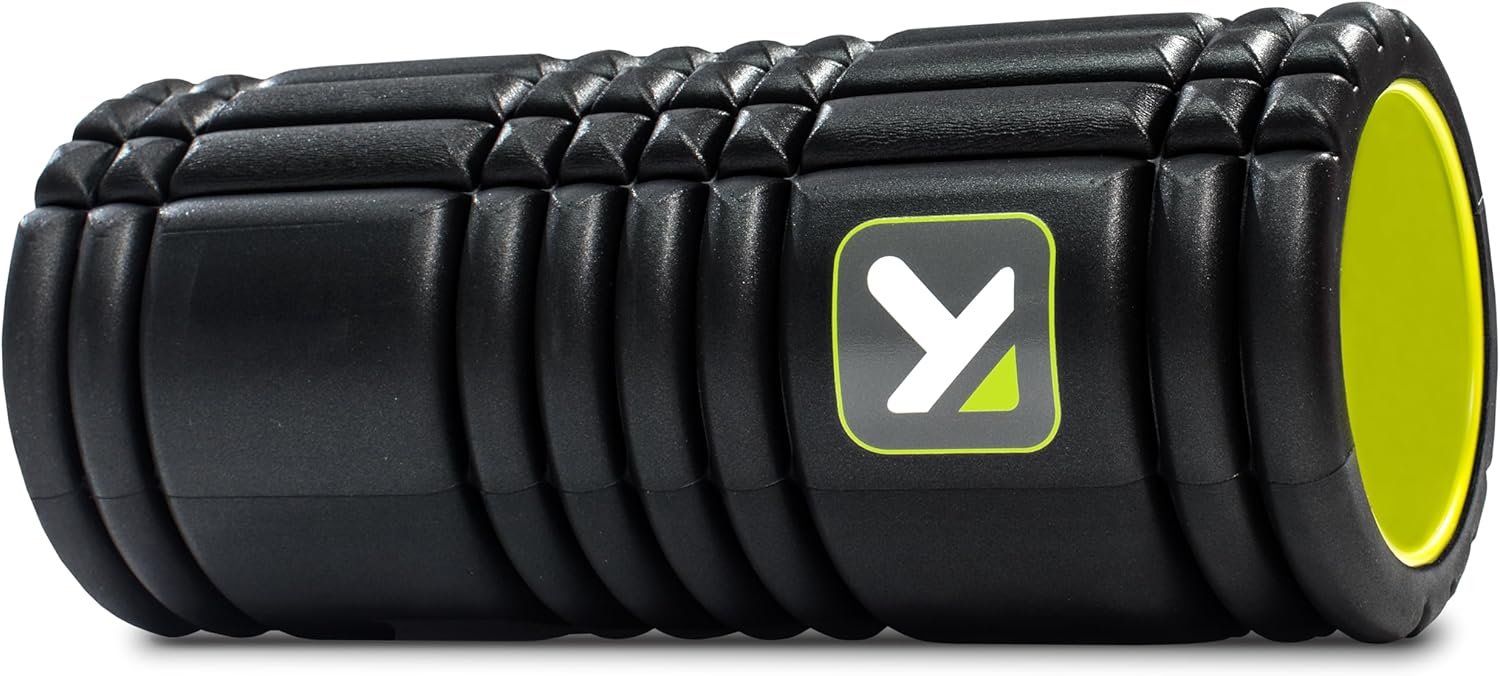
The TriggerPoint GRID remains the gold standard for recovery — and for good reason. The hollow core keeps pressure consistent, while the textured surface mimics hands without being harsh.
Pros
- Hollow core; consistent pressure
- Textured but not aggressive
- Widely used in rehab and performance
Cons
- Shorter length (13")
- Mid-range price
Best for: Most active adults, runners, gym users
Why it wins: Balance of stimulation and tolerance — see our complete foam roller comparison for more options
Price: ~£35–£40
🥈 RumbleRoller Original – Best for Deep Tissue Recovery
For experienced users who want maximum pressure on dense muscle.
★★★★☆(4.4 / 5)
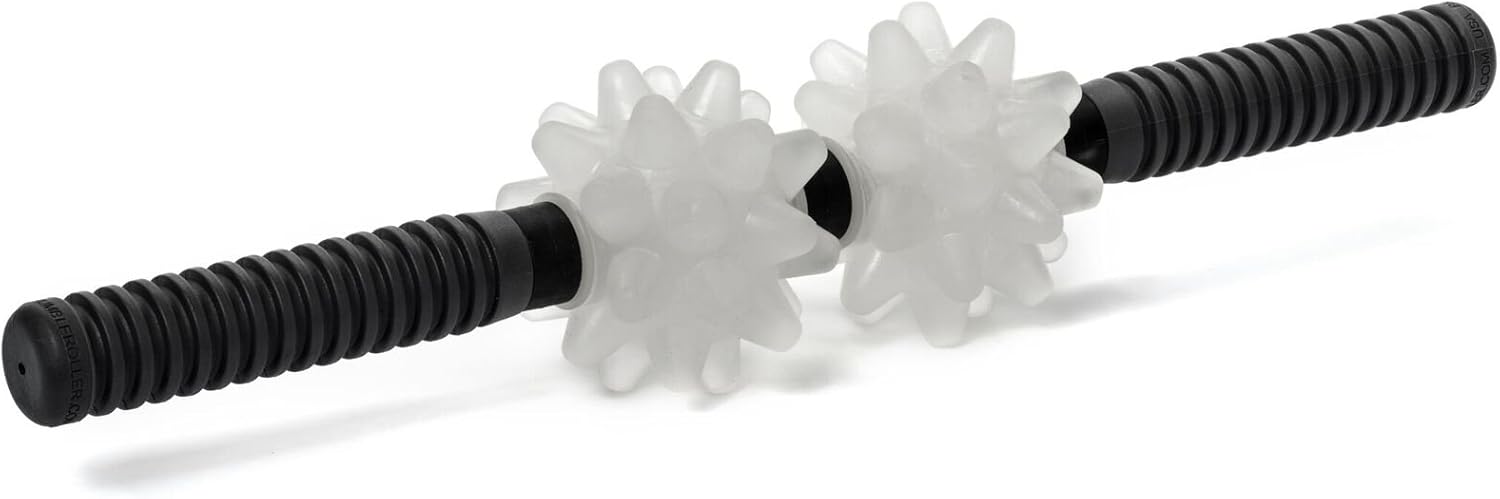
This is a high-intensity tool designed for experienced users. The aggressive nodules dig into dense tissue, which can feel effective — but it's not ideal for sensitive or early-stage recovery.
Pros
- Very effective for dense tissue
- Good for high training volumes
- Durable construction
Cons
- Too intense for many people
- Higher price
Avoid this if… you're new to foam rolling, have sensitive tissue, or prefer gentle recovery. For targeted deep tissue work with more control, consider a massage gun instead.
Best for: Lifters, endurance athletes
Physio note: Use sparingly — recovery shouldn't feel like punishment. For gentler options, see our beginner-friendly foam rollers
Price: ~£55–£70
🥉 321 STRONG Foam Roller – Best Balanced Recovery Roller
Ideal for daily use: enough feedback to work, gentle enough to repeat often.
★★★★☆(4.6 / 5)

A strong middle ground between smooth and aggressive: moderate texture, comfortable enough for daily use, and durable construction.
Pros
- Moderate texture; not overwhelming
- Comfortable for daily use
- Durable; good value
Cons
- May feel light for heavy deep-tissue users
Best for: General recovery, post-workout soreness
Why it works: Consistent pressure without overload — ideal for beginners who want effective recovery
Price: ~£25–£35
⭐ Yes4All High-Density Roller – Best Budget Recovery Option
Simple, effective recovery without the premium price.
★★★★☆(4.5 / 5)
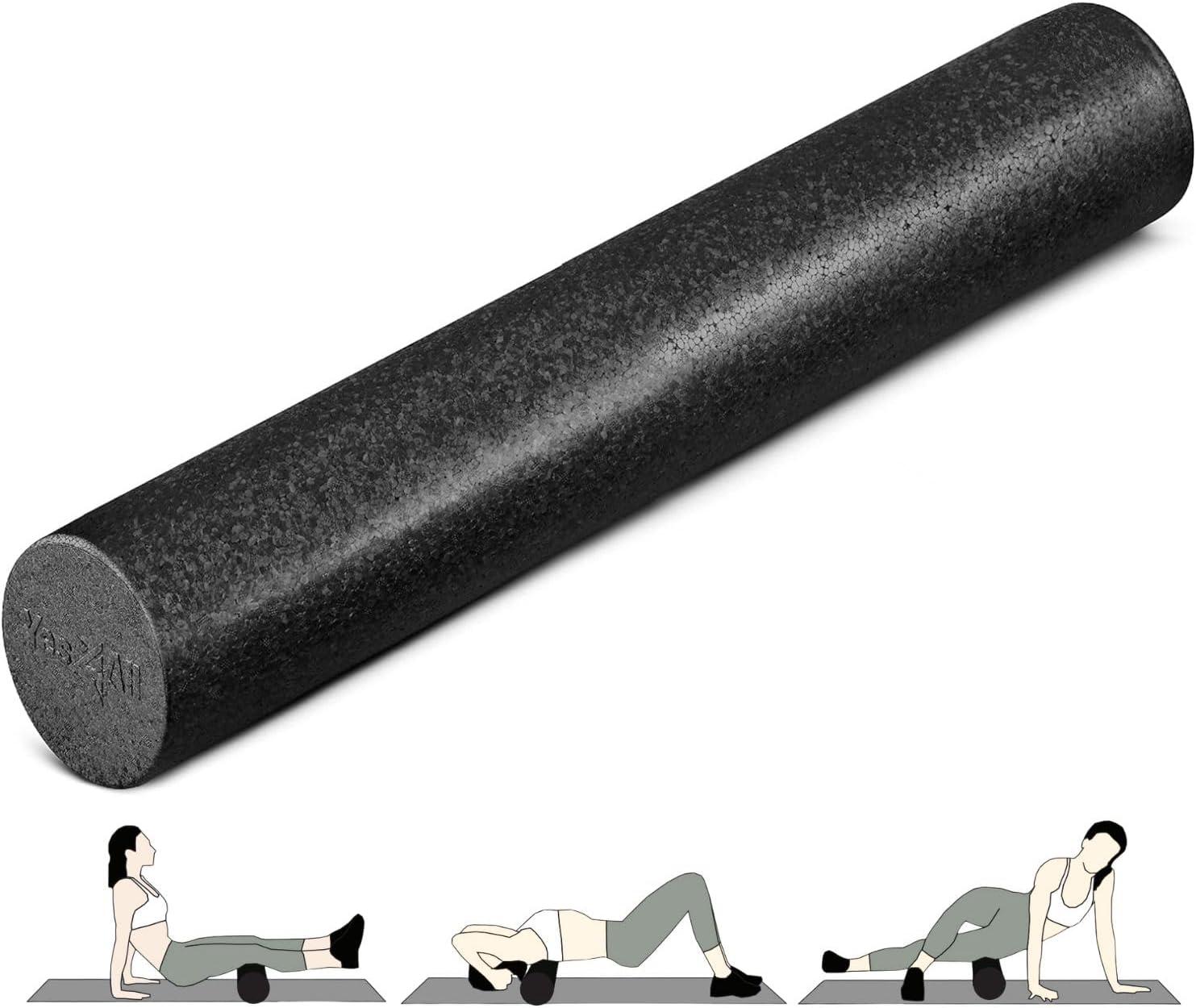
No gimmicks — just a firm, smooth roller with excellent pressure control for large muscle groups. A great value pick if you want simple and effective recovery.
Pros
- Excellent value
- Predictable pressure; good for large areas
- No-frills, easy to use
Cons
- No texture or targeting
- Solid core may compress over time
⭐ Chirp Wheel+ – Best for Spinal Mobility After Training
Best for upper-back and thoracic recovery without loading the spine directly. For more spine-safe options, see our back pain foam roller guide.
★★★★☆(4.5 / 5)
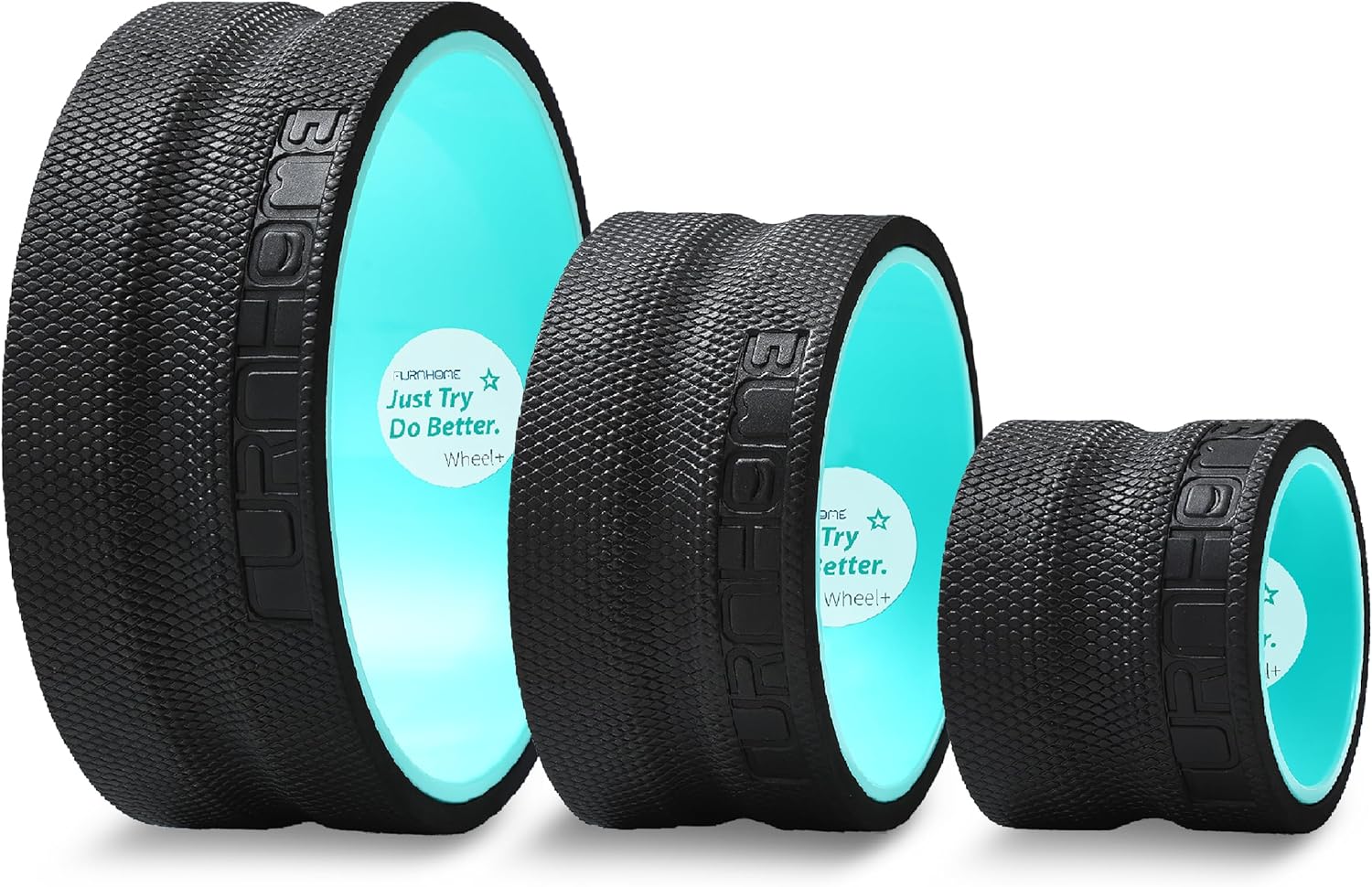
Recovery isn't just about legs. The Chirp Wheel+ supports thoracic extension, reduces stiffness from sitting and lifting, and places less direct pressure on the spine than floor rolling.
Pros
- Spine-friendly design
- Great for desk workers and lifters
- Mobility + recovery in one tool
Cons
- Not for legs; upper/thoracic focus
- Premium price
Best for: Desk workers who train, upper-body stiffness
Why it's different: Mobility + recovery focus
Price: ~£40–£60
⭐ RAD Helix – Best Targeted Muscle Recovery Tool
Precision tool for calves, forearms, and problem spots — not a first roller.
★★★★☆(4.4 / 5)
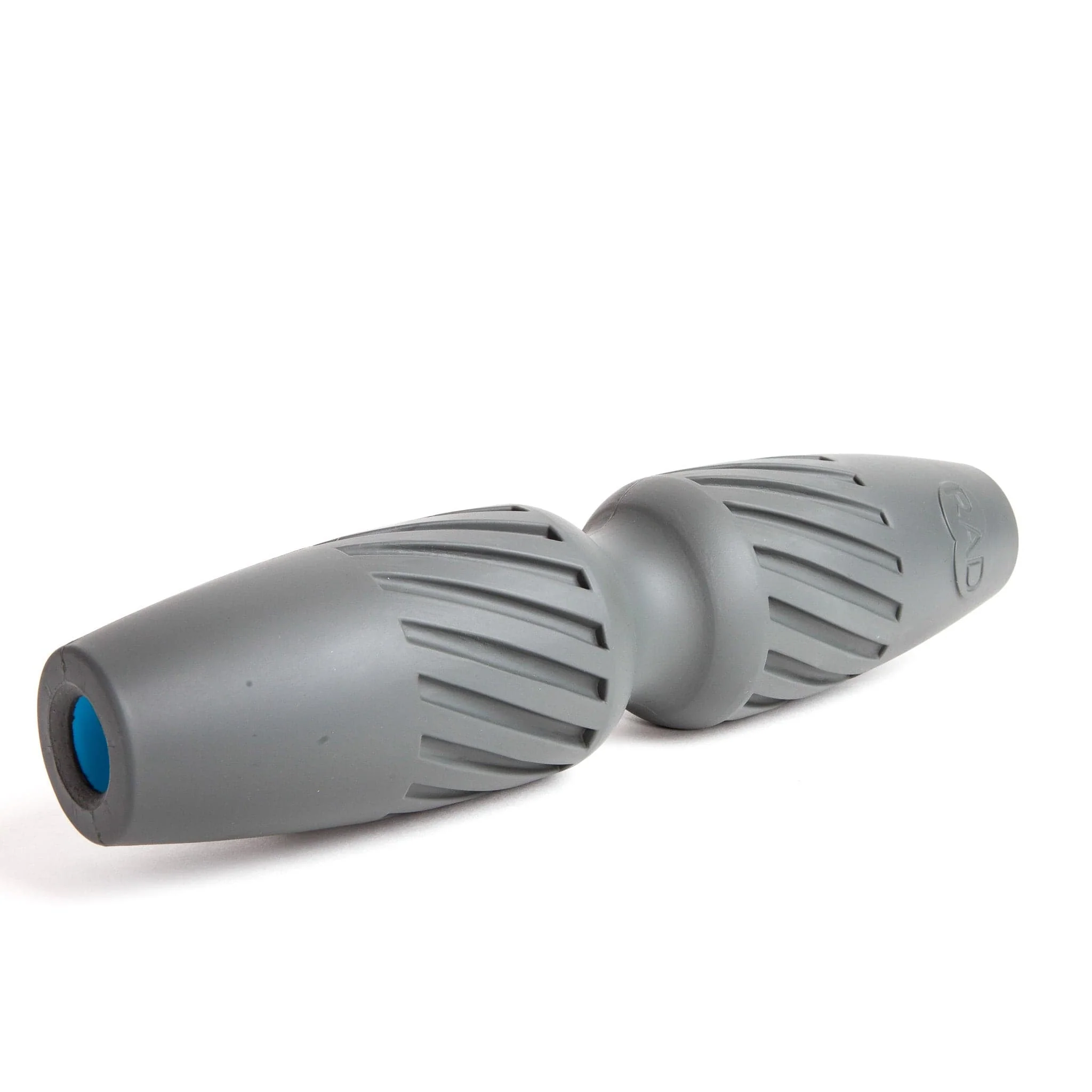
This is a precision tool, not a general one. The helical design targets calves, forearms, hips, and stubborn problem areas, making it an excellent complement to a standard roller.
Pros
- Targeted; great for problem areas
- Compact; travel-friendly
- Strong tissue feedback
Cons
- Firm; not ideal as sole first roller
- Niche use (calves, arms, hips)
Avoid this if… you want one do-it-all roller or prefer smooth, even pressure. Best as a second tool alongside a full-length roller.
Best for: Problem areas and asymmetries
Physio verdict: Fantastic complement to a standard roller
Price: ~£40–£50
⭐ LuxFit Premium 36-Inch – Best for Full-Body Recovery
Most people get this wrong: longer rollers are often easier to use and more relaxing than short ones.
★★★★☆(4.6 / 5)
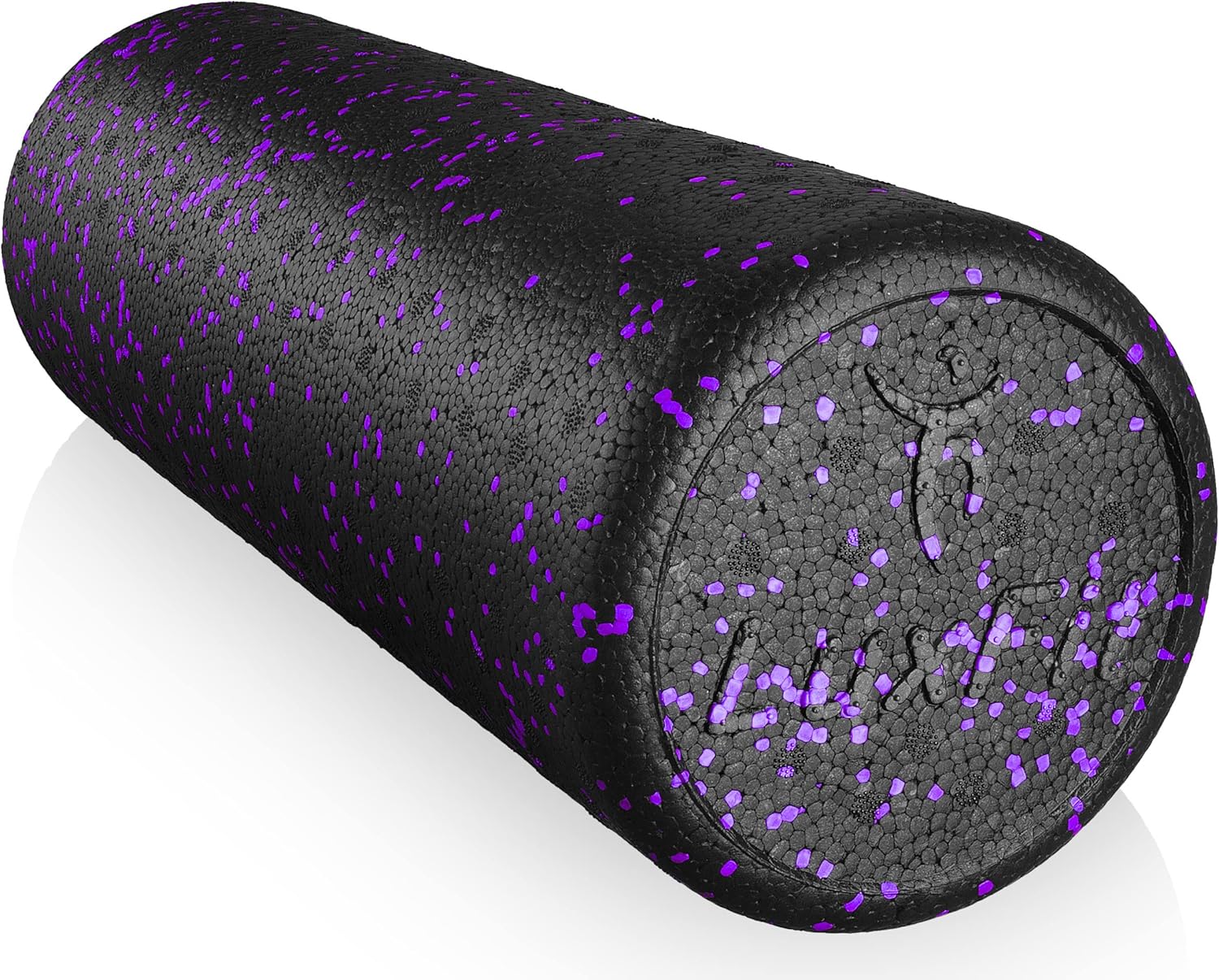
Physio tip: Long rollers offer underrated usability — easier balance and control, better relaxation, and great for full-body routines at home. Stability helps you use less effort and get more benefit.
Pros
- 36" length; very stable
- Good for full-body and beginners
- Reasonable price
Cons
- Smooth only; no texture
- Less portable
Best for: Home recovery routines
Why it matters: Stability improves relaxation
Price: ~£20–£30
Who This Guide Is For
This guide is for:
- Gym-goers and strength trainers
- Runners and endurance athletes
- Beginners new to foam rolling
- Desk workers with stiffness from sitting
- Anyone wanting to reduce soreness and improve mobility between sessions
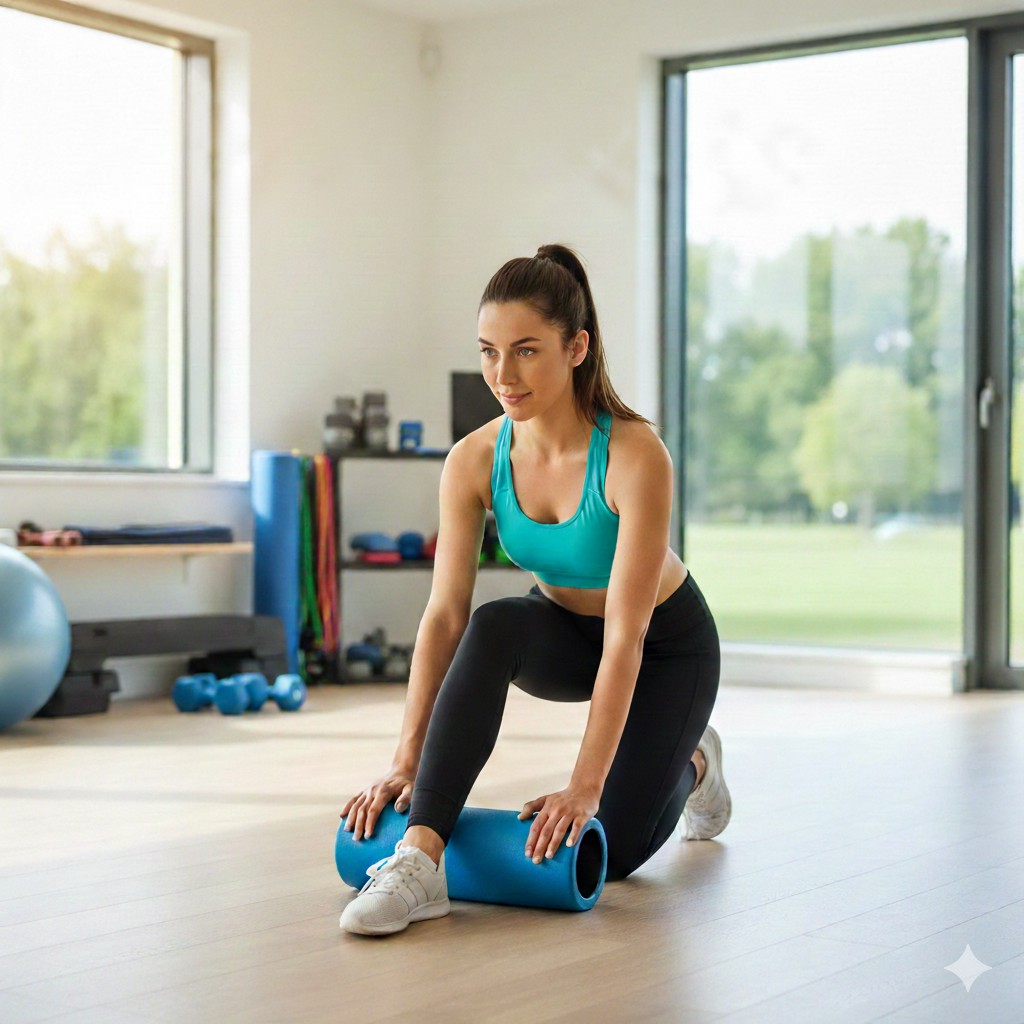
⭐ What Is the Best Foam Roller for Recovery?
The best foam roller for recovery is typically a medium- to firm-density roller that provides enough pressure to stimulate circulation and reduce muscle tension without overwhelming the nervous system. For those dealing with specific pain issues, see our guide to foam rollers for back pain.
The ideal choice depends on:
- Your training load
- Your pain tolerance
- Preferred feedback (smooth vs textured)
- Whether recovery or deep tissue work is the priority
For most people, consistent, tolerable pressure beats extreme intensity.
“For recovery, we want tolerable pressure that encourages relaxation and circulation — not pain that triggers guarding. Consistency with a medium-intensity roller usually beats occasional aggressive rolling.”
— Input from chartered physiotherapists and sports therapists; guide reviewed for clinical accuracy.
How Foam Rolling Supports Recovery
Foam rolling doesn’t “flush toxins” — and it doesn’t need to. When used correctly, foam rolling can support recovery by:
- Increasing local blood flow1
- Improving tissue hydration and glide2
- Reducing perceived muscle soreness
- Restoring comfortable range of motion3
- Preparing muscles for the next training session
Think of it as movement quality maintenance, not damage repair.
References: 1) Cheatham et al., J Sport Rehabil (foam rolling and blood flow / ROM). 2) Wiewelhove et al., Front Physiol (recovery and performance). 3) Systematic reviews on self-myofascial release and short-term flexibility. For personalised advice, see a physiotherapist.
Smooth vs Textured vs Hollow Core Rollers
Recovery rollers fall into three main design types. The right one depends on your tolerance and goals.
Smooth rollers
- Even, predictable pressure
- Better for nervous system down-regulation
- Ideal for beginners and daily recovery
Textured rollers
- More targeted stimulation
- Useful for stubborn or high-load areas
- Better for experienced users
Hollow core
- Lightweight, consistent give under load
- Won’t compress or flatten over time
- Common in premium options (e.g. TriggerPoint GRID)
Both smooth and textured styles belong in a recovery-focused lineup — the key is appropriate pressure, not aggression.
When Should You Foam Roll for Recovery?
After workouts
- Reduce perceived soreness
- Restore comfortable movement
On rest days
- Improve circulation
- Reduce stiffness from sitting
Before workouts
- Keep it light and brief
- Focus on prep, not deep release
How Long Should You Foam Roll?
A simple guideline:
- 30–90 seconds per muscle group
- Slow, controlled movement
- Breathe normally
More pressure or longer sessions ≠ better recovery.
Signs You're Rolling Too Hard
Stop or reduce pressure if you notice:
- Sharp or nerve-like pain
- Muscle guarding or tensing
- Bruising or lingering soreness
- Pain that worsens after sessions
Recovery tools should calm the system, not provoke it.
Common mistake: Using excessive pressure or rolling over bony areas (knees, spine) can cause irritation. Focus on muscle tissue, not joints. For spine-safe techniques, see our guide to foam rollers for back pain.
When Should You Foam Roll for Recovery?
After workouts
- Reduce perceived soreness
- Restore comfortable movement
On rest days
- Improve circulation
- Reduce stiffness from sitting
Before workouts
- Keep it light and brief
- Focus on prep, not deep release
How Long Should You Foam Roll?
A simple guideline:
- 30–90 seconds per muscle group
- Slow, controlled movement
- Breathe normally
More pressure or longer sessions ≠ better recovery.
Signs You’re Rolling Too Hard
Stop or reduce pressure if you notice:
- Sharp or nerve-like pain
- Muscle guarding or tensing
- Bruising or lingering soreness
- Pain that worsens after sessions
Recovery tools should calm the system, not provoke it.
Most people get this wrong: more pressure does not mean better recovery. Consistency with tolerable pressure beats occasional aggressive rolling.
Recovery Foam Rollers vs Pain-Relief Rollers
Recovery rollers
- Moderate pressure
- Promote circulation and movement
- Suitable for frequent use
Pain-relief / trigger rollers
- Higher intensity
- Used selectively
- Not ideal daily tools
Most people recover better with less intensity, more consistency. If you're dealing with specific pain issues, check our back pain foam roller guide for spine-safe options.
Frequently Asked Questions
Do foam rollers actually help recovery?
Yes — they can reduce perceived soreness and improve short-term mobility when used appropriately. For more details on choosing the right roller, see our complete foam roller comparison guide.
Is foam rolling better before or after workouts?
After workouts and on rest days is ideal. Pre-workout rolling should be light and brief. For more guidance on timing and technique, see our complete foam roller guide.
How often should you foam roll?
Daily or 3–5× per week is reasonable for most active adults.
Are firm rollers better for recovery?
Not always. Medium-firm rollers are often better tolerated and more effective long term. Beginners typically benefit from starting with smoother, less intense options.
Can foam rolling reduce DOMS?
It may reduce soreness perception, though it doesn’t eliminate muscle damage.
Are foam rollers worth it?
Yes — for most active people, a good foam roller is a low-cost way to support recovery, mobility, and perceived soreness. You don’t need an expensive model to benefit.
Do physios recommend foam rolling?
Many chartered physiotherapists use or recommend foam rolling as part of a recovery or mobility programme, especially when pressure is tolerable and technique is appropriate. For those with specific pain concerns, our back pain foam roller guide covers spine-safe techniques.
Can foam rolling prevent injury?
It may support mobility and tissue readiness, but it doesn’t replace good load management, strength, or technique. Think of it as one part of a broader approach to recovery and injury risk.
Final Verdict: Best Foam Roller for Recovery
If you want one safe, effective option: TriggerPoint GRID
If you want deeper work: RumbleRoller Original
If you want balanced daily recovery: 321 STRONG
You don’t need the most aggressive roller to recover well — consistency beats intensity. Used regularly, the right recovery foam roller can help you train more comfortably, move better, and recover smarter without overdoing it.
We only recommend tools we’d suggest to patients. Selections are independent and based on pressure tolerance, durability, and suitability for recovery — not commercial relationships.
Last reviewed: January 2026. Content reviewed for accuracy with input from chartered physiotherapists and sports therapists.
Seven foam rollers were evaluated for this guide. Picks are independent and not paid for by brands.