7 Best Foam Rollers for Back Pain (Physiotherapist-Recommended for Safe Relief – 2026)
Spine-safe foam rollers chosen by physiotherapists to ease muscle tension and support safer back recovery.
Back pain is one of the most common musculoskeletal complaints — but using the wrong foam roller can make symptoms worse. The right roller helps reduce muscle tension, improve mobility, and support safer movement without placing unnecessary pressure on the spine.
In this physiotherapist-informed guide, we review the safest and most effective foam rollers for back pain based on spinal support, pressure control, durability, and clinical suitability. This page focuses specifically on spine-safe foam rollers for back pain; for a broader overview of rollers for legs, runners, and general recovery, see our complete guide to the best foam rollers. If you're new to foam rolling, see our guide to the best foam rollers for beginners.
🏆 Best Overall Foam Roller for Back Pain
OPTP PRO-ROLLER Soft Density — widely used in physio clinics, with controlled pressure and excellent spinal safety for most back pain presentations.
Read full review →⭐ What Is The Best Foam Roller for Back Pain?
The best foam roller for back pain is typically a medium-density roller or a spine-safe design that allows controlled pressure without compressing the vertebrae.
Beginners and sensitive backs: Prioritise smoother, softer rollers that feel supportive rather than aggressive.
More experienced users: May benefit from lightly textured surfaces that offer deeper muscle release for tight thoracic and lumbar muscles — but only when symptoms are stable.
The “best” option depends on your symptoms, pain irritability, and confidence with movement, not just the firmness rating or marketing claims.
⚠️ Foam Rolling & Back Pain Safety
Foam rolling can be a helpful part of back pain management — but it is not right for everyone. The guidance below reflects typical physiotherapy practice and should sit alongside personalised medical advice.
When Foam Rolling Helps
- Muscular tension around the spine or hips
- Posture-related discomfort after sitting or desk work
- General stiffness and reduced spinal mobility
- Sedentary lifestyles needing gentle movement input
When To Avoid It
- Acute disc injury or sudden severe back pain
- Unexplained nerve pain, pins and needles, or leg weakness
- Known vertebral fractures or osteoporosis-related collapse
- Recent spinal or abdominal surgery (unless cleared by your surgeon/physio)
If you are unsure whether foam rolling is appropriate, or symptoms are worsening, speak to a physiotherapist before continuing.
Comparison Table – Best Foam Rollers for Back Pain
| Product | Density | Spine Safe? | Best For | Price | Physio Verdict |
|---|---|---|---|---|---|
| OPTP PRO-ROLLER Soft Density | Soft–medium | ✅ | Most people with back pain | ~£30–£40 | Clinic favourite; excellent control and comfort |
| Chirp Wheel+ | Firm outer ring | ✅ (avoids direct spinal load) | Posture and thoracic stiffness | ~£40–£60 | Great for people nervous about traditional rollers |
| TheraBand Foam Roller | Medium-soft | ✅ | Older adults, rehab, sensitive backs | ~£25–£35 | Gentle option for graded exposure to rolling |
| Yes4All EPP Soft Foam Roller | Soft | ✅ | Budget-friendly spinal mobility | ~£15–£25 | Good entry point if you're unsure about tolerance |
| Half Foam Roller (generic) | Soft–medium | ✅ (very stable) | Balance work, rehab, cautious beginners | ~£10–£20 | Excellent if lying fully on a roller feels too risky |
| RAD Helix Massage Roller | Firm, contoured | ✅ (cradles the spine) | Targeted thoracic and paraspinal release | ~£40–£50 | Advanced tool for focused, spine-aware release |
| BackPod | Firm, non-rolling | ✅ | Posture, upper back tightness, rib stiffness | ~£60–£80 | Superb for thoracic extension without "steamrolling" the spine |
Upper vs Lower Back Rolling
The upper back (thoracic spine) generally tolerates foam rolling better than the lower back (lumbar spine). The rib cage provides natural stability, whereas the lumbar region is designed for load transfer and can be irritated by excessive direct pressure.
Upper Back (Thoracic)
- Roll across the shoulder blades, not the neck or lower ribs.
- Support the head with your hands and keep movements slow and controlled.
- Ideal tools: Chirp Wheel+, RAD Helix, BackPod, softer full-length rollers.
Lower Back (Lumbar)
- Avoid lying with the roller directly under the lumbar spine unless advised by a clinician.
- Instead, roll the glutes, hip rotators, and thoracic area to offload strain.
- Ideal tools: soft full-length rollers, half rollers for pelvic tilting, BackPod for gentle extension.
Foam Roller Density Explained
Density describes how firm a foam roller feels. For back pain, more intensity is not always better — particularly if there is disc involvement, nerve irritation, or general sensitivity.
- Soft: Ideal for painful, easily-irritated backs or first-time users. Allows the body to adapt to pressure gradually.
- Medium: Good balance between feedback and comfort. Often the best place to start for muscular or posture-related pain.
- Firm: Reserved for experienced users with stable symptoms and good body awareness. Usually better suited to legs and hips than the lumbar spine.
How To Foam Roll Your Back Without Making Pain Worse
A few simple rules go a long way towards keeping foam rolling safe and effective for back pain.
- Avoid direct pressure on the lumbar spine unless specifically cleared by a clinician.
- Roll slowly for 30–60 seconds over tight muscle areas rather than "fast rolling".
- Stay within mild–moderate discomfort (no sharp, shooting, or spreading pain).
- Keep breathing and avoid holding your breath, which can increase muscle guarding.
- Combine with movement (e.g. cat–camel, pelvic tilts, thoracic rotations) rather than using rolling alone.
For disc-related or nerve-dominant pain, a back pain–focused assessment is strongly recommended before starting self-treatment.
Detailed Reviews – Best Foam Rollers for Back Pain
🥇 OPTP PRO-ROLLER Soft Density – Best Overall for Back Pain
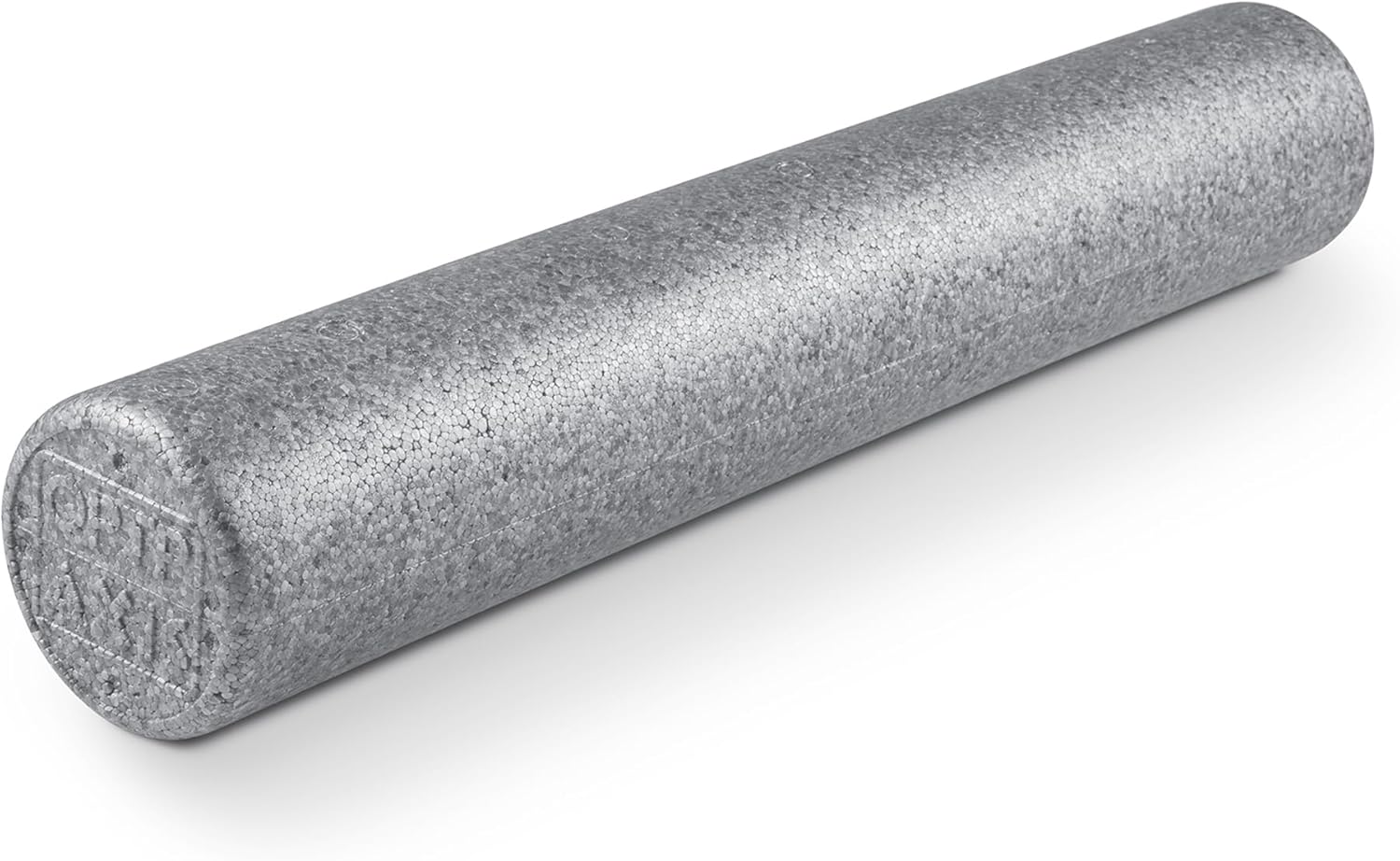
Best for: Most people with mechanical back pain, posture-related stiffness, or recurrent tightness.
Density: Soft–medium for controlled pressure.
Price: ~£30–£40
The PRO-ROLLER Soft Density is widely used in physiotherapy clinics because it offers enough feedback to release tight muscles without feeling harsh on sensitive backs. The slightly softer construction makes it easier to relax over the roller, which is essential when pain has made your spine feel guarded or protective.
Physio view: Excellent default choice if you're unsure where to start and want a clinic-grade, spine-safe roller.
🥈 Chirp Wheel+ – Best Spine-Safe Alternative
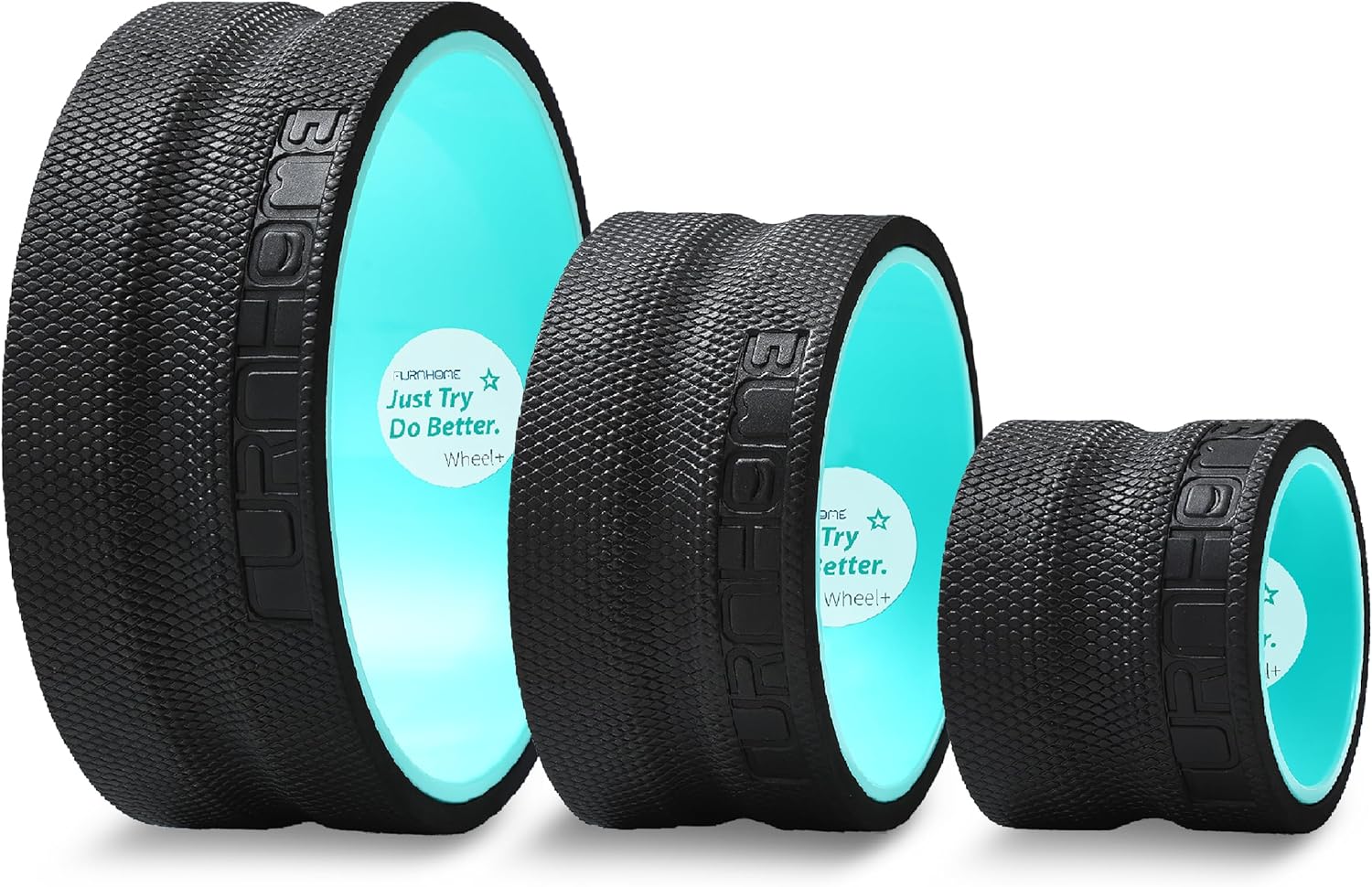
Best for: People nervous about rolling directly on a cylinder.
Design: Wheel shape with a channel that avoids pressure on the spinous processes.
Price: ~£40–£60
The Chirp Wheel+ isn't a traditional foam roller — and that's exactly why many back pain patients prefer it. The central groove helps keep pressure beside the spine rather than directly over it, while the narrow contact area encourages gentle extension and mobility through the thoracic region.
Physio view: A strong option when you want spinal mobility but feel anxious about lying flat on a standard roller.
🥉 TheraBand Foam Roller – Best for Gentle Muscle Release
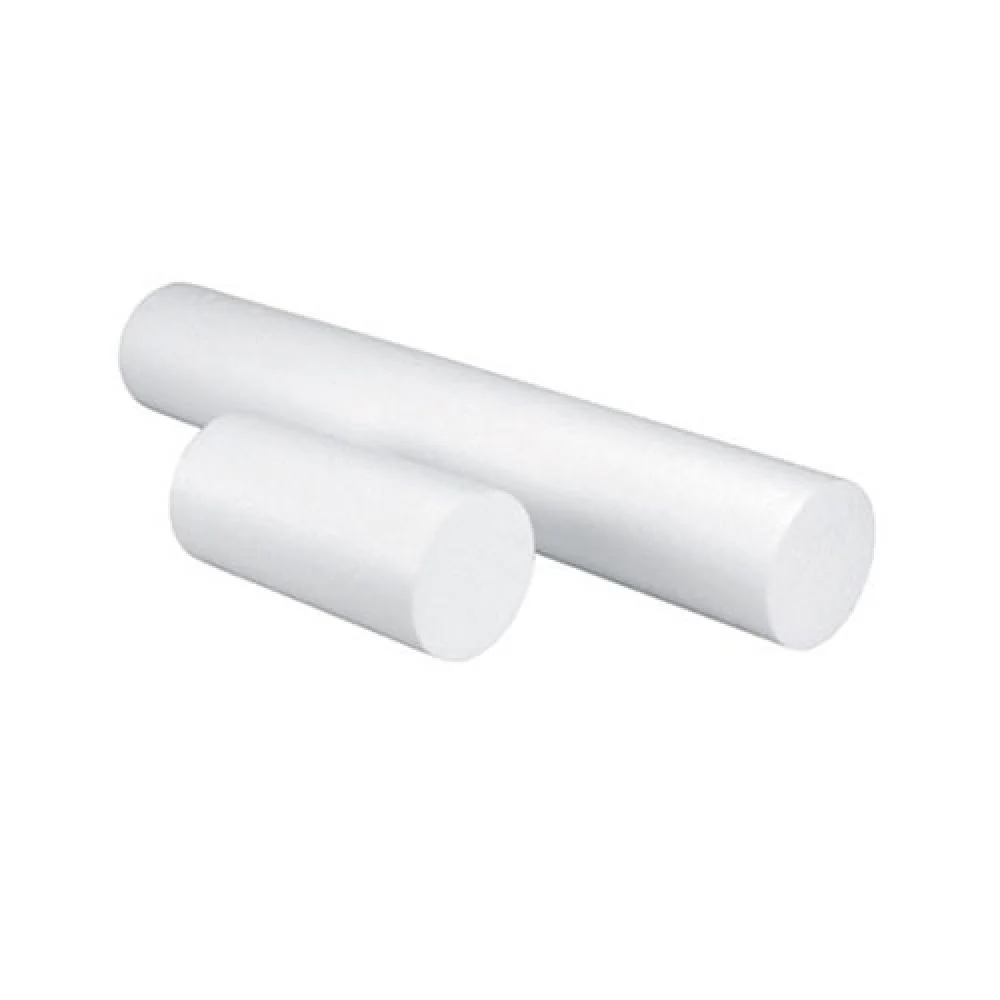
Best for: Older adults, rehab patients, and very sensitive backs.
Density: Medium-soft with smooth surface.
Price: ~£25–£35
TheraBand's roller provides a predictable, low-intensity feel that works well for people who are new to self-massage or worried about flare-ups. It is particularly useful in early rehab phases where the goal is to reintroduce movement without provoking symptoms.
⭐ Yes4All EPP Soft Foam Roller – Best Budget Spine-Friendly Roller
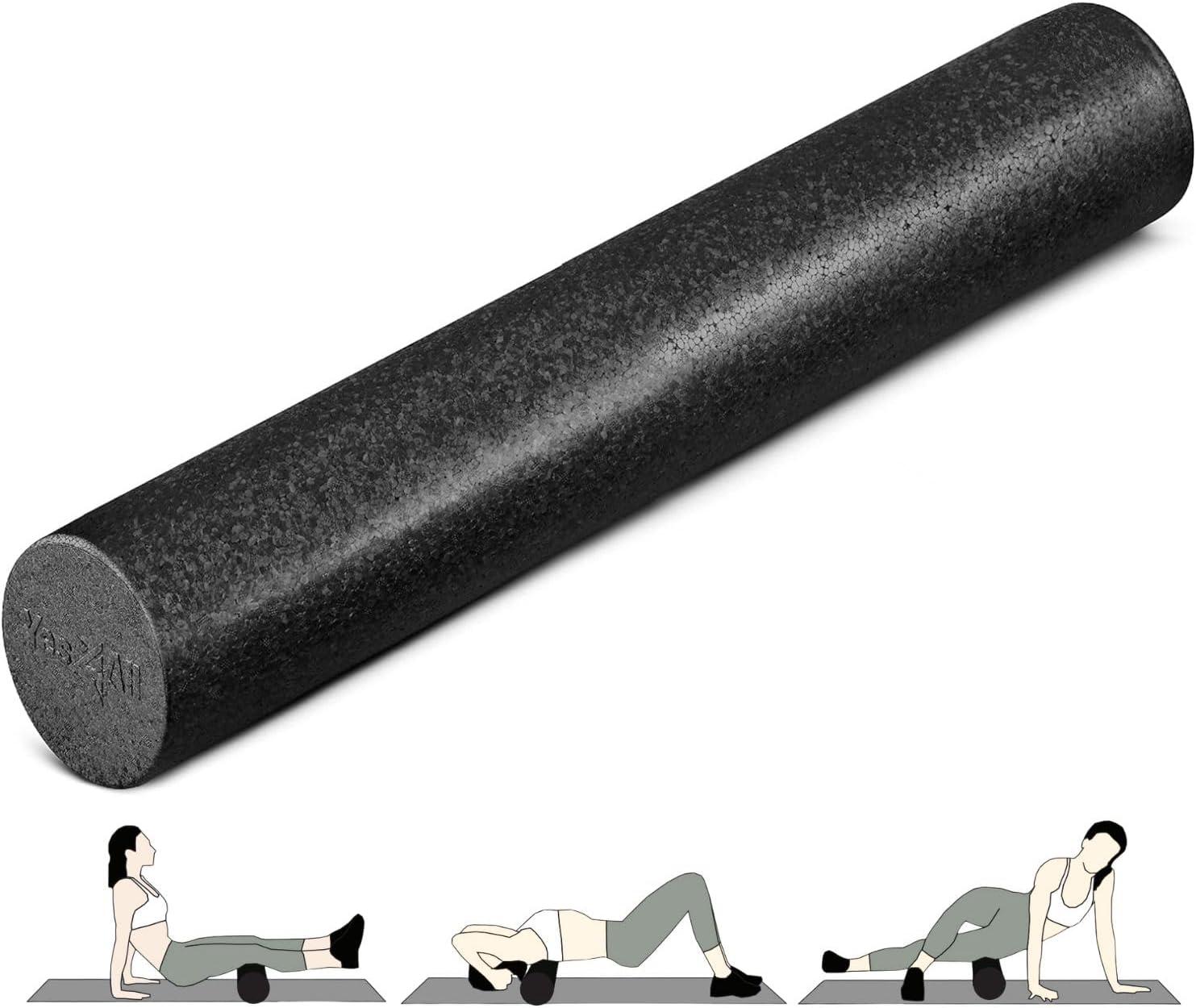
Best for: Budget-conscious buyers wanting a softer option.
Density: Soft
Price: ~£15–£25
The Yes4All soft roller offers a surprisingly comfortable experience for its price point. While not as refined as clinic-grade options, it provides a gentle starting point for people who want to trial foam rolling without a large investment.
⭐ Half Foam Roller – Best for Maximum Stability
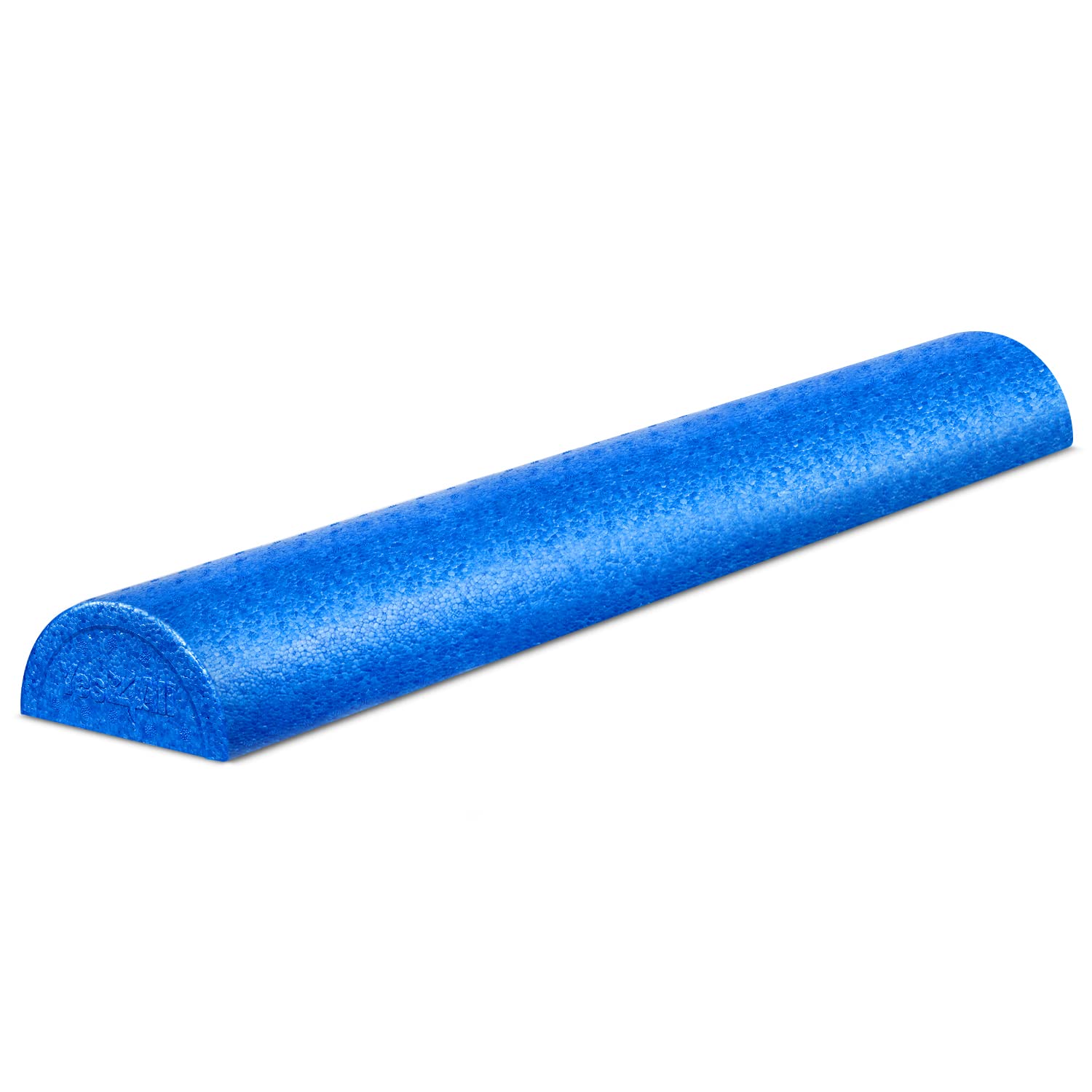
Best for: Beginners, balance work, and rehab settings.
Design: Flat base with curved upper surface to prevent rolling away.
Price: ~£10–£20
Half rollers allow you to work on pelvic tilts, gentle spinal mobility, and balance exercises without the instability of a full cylinder. That makes them ideal when lying on a standard roller feels too risky or uncomfortable.
⭐ RAD Helix – Best Targeted Back Release
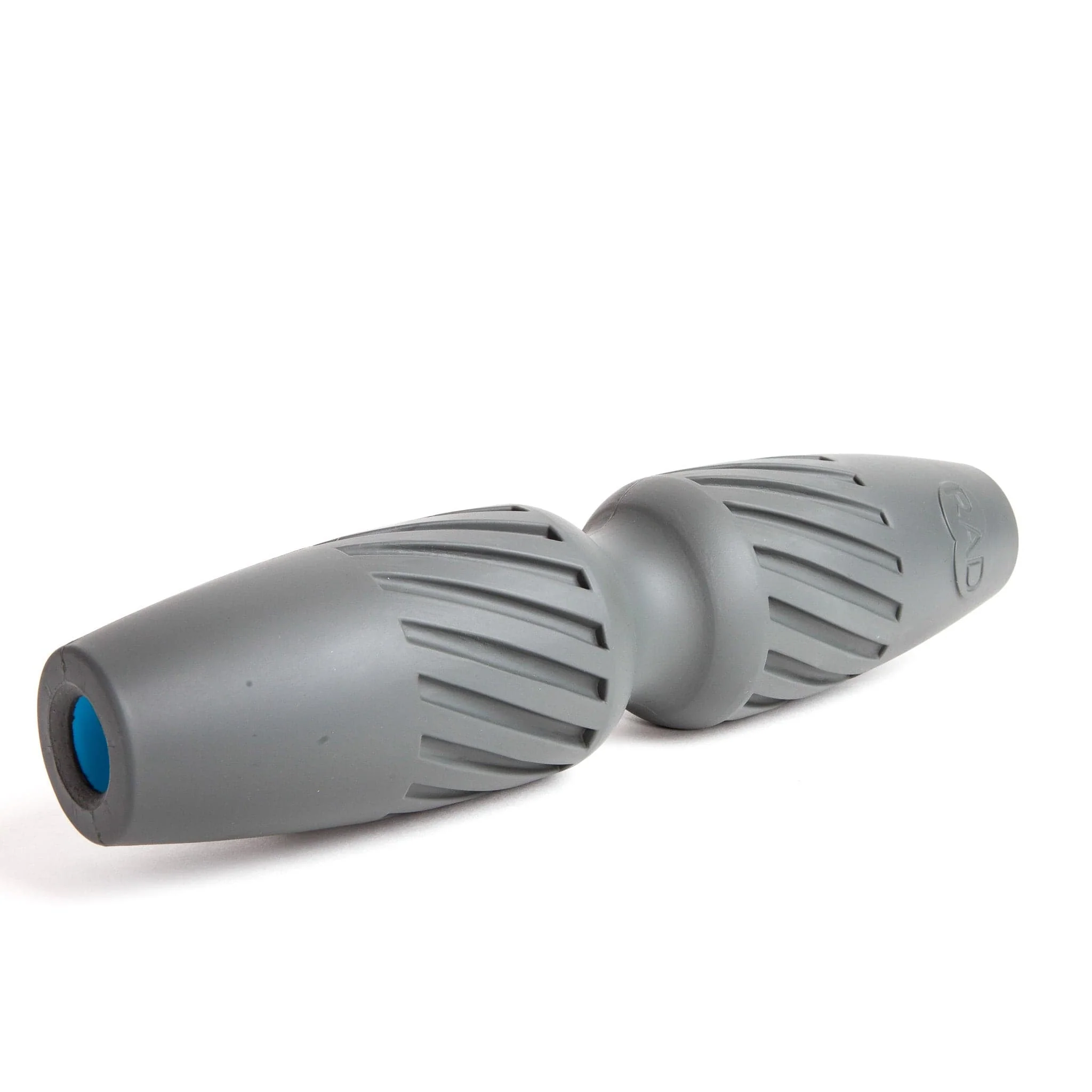
Best for: Focused release along paraspinal muscles.
Design: Hourglass/helix shape that cradles the spine.
Price: ~£40–£50
The RAD Helix acts like a more refined, contoured version of a traditional roller. It allows you to target tight bands of muscle either side of the spine without "rolling over" the vertebrae themselves, which many patients find more tolerable.
⭐ BackPod – Best Posture & Thoracic Mobility Tool
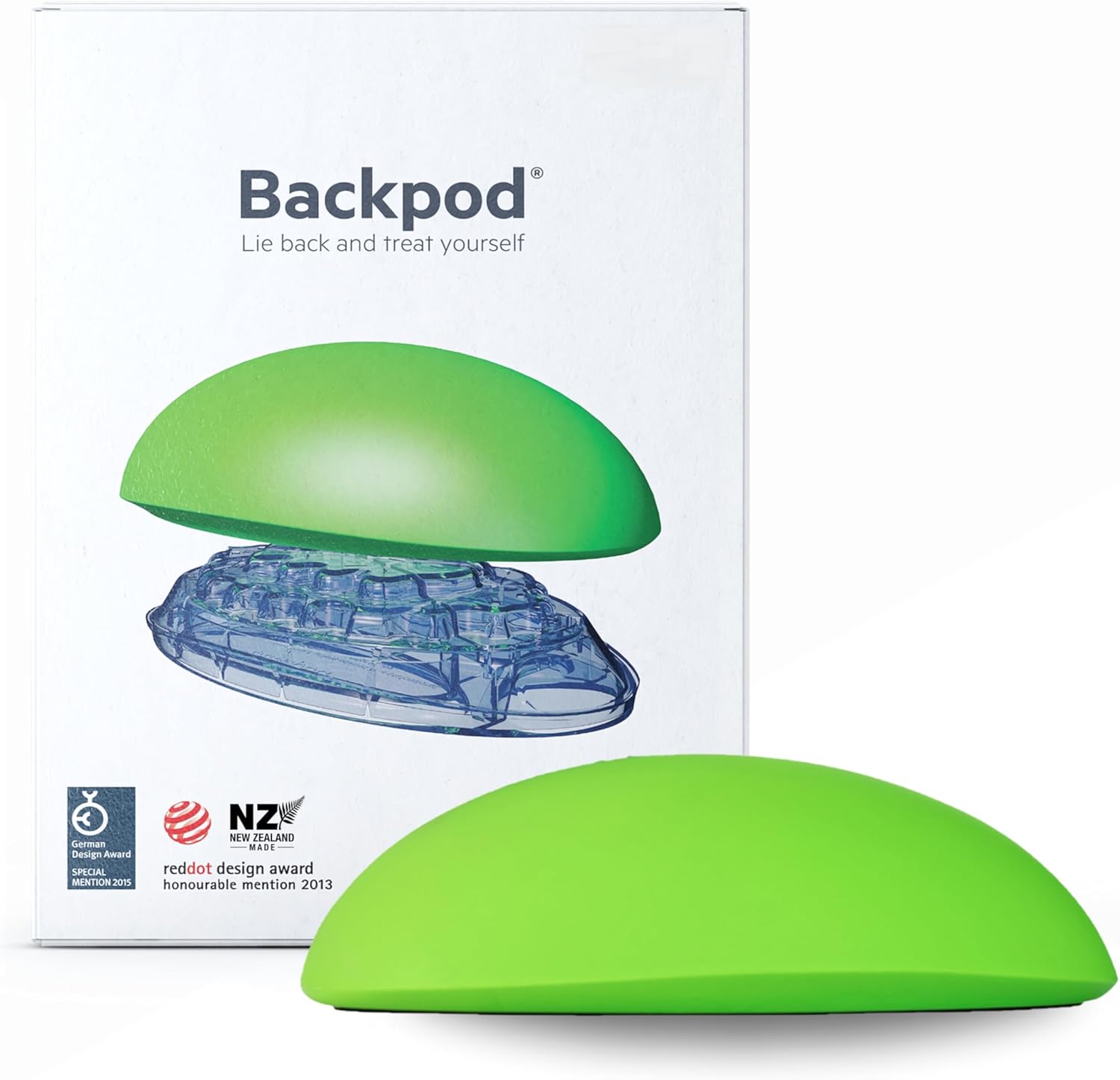
Best for: Upper back stiffness, desk-posture pain, and rib cage tightness.
Design: Firm, non-rolling wedge that supports segmental thoracic extension.
Price: ~£60–£80
BackPod is not used like a traditional foam roller. Instead, you lie over it for short, controlled periods to improve thoracic extension and rib mobility. Many physiotherapists use a similar approach with manual techniques — BackPod offers a way to maintain those gains at home.
When To See a Physiotherapist
If your back pain is getting progressively worse, spreading down the leg, or affecting sleep, foam rolling alone is unlikely to solve the problem.
A physiotherapist can assess whether your pain is primarily muscular, disc-related, joint-driven, or influenced by posture and load. From there, they can build an evidence-based plan that may include manual therapy, exercise, education, and carefully selected tools such as foam rollers or massage guns.
If you're unsure where to start, use our Back Pain Guide and consider pairing a spine-safe foam roller with a lumbar support cushion for sitting.
Frequently Asked Questions
Is foam rolling safe for back pain?
Foam rolling is generally safe for muscular or posture-related back pain when used gently and away from acute disc injuries or fractures. If symptoms worsen or you experience nerve pain, stop and seek professional advice.
Can foam rolling worsen a disc injury?
Yes — applying strong pressure directly over a symptomatic disc can aggravate pain or nerve irritation. People with confirmed or suspected disc issues should avoid rolling the lumbar spine itself and work with a physiotherapist to plan safe movement options.
Should you roll directly on the spine?
No. Most physiotherapists recommend rolling the muscles beside the spine, not the bony spine itself. Tools like Chirp Wheel+ or RAD Helix that cradle the spine can help you stay off the spinous processes.
How often should you foam roll your back?
For most people, 3–4 short sessions per week is enough. Focus on consistency and how your back responds over 24 hours rather than chasing intensity during a single session.