Best Foam Rollers (2026 Buyer's Guide)
Expert reviews and comparisons to help you find the perfect foam roller
Short on time? Here's a quick breakdown of the best foam rollers by need:
| If you want… | Our recommendation | Price |
|---|---|---|
| Best all-round foam roller | TriggerPoint GRID – balanced firmness, versatile, physio-approved | ~£35-£40 |
| Upper back & posture relief (UK) | OPTP PRO-ROLLER Soft Density – excellent thoracic mobility control | ~£30-£35 |
| Spine-safe back pain option | Chirp Wheel+ – avoids direct spinal pressure | ~£40-£50 |
| Lower back–friendly choice | TriggerPoint GRID (used carefully beside the spine) | ~£35-£40 |
| Beginner-friendly roller | AmazonBasics High-Density Foam Roller – smooth, affordable, easy to control | ~£15 |
| Athletes & runners | RumbleRoller Original – deep tissue release for heavy training | ~£35 |
| Leg recovery (best overall) | 321 STRONG Foam Roller – ideal balance of intensity and comfort | ~£25 |
| Budget option | AmazonBasics Foam Roller – solid performance at a low price | ~£15 |
Quick takeaway:
👉 Choose smooth or lightly textured rollers for back pain and beginners, and firmer, textured rollers for athletic recovery and legs.
Table of Contents
Want broader foam roller reviews and posture or mobility advice? Explore our physiotherapy guides for recovery, mobility, and posture support.
Best Foam Rollers Overall (2026)
We tested and reviewed the best foam rollers for back pain, runners, leg recovery, and beginners — focusing on spinal safety, firmness, and real physiotherapy use. This 2026 buyer’s guide compares smooth vs textured rollers and highlights which models actually help lower back pain and muscle recovery.
If you’re specifically dealing with spinal discomfort, see our guide to the best foam roller for back pain. If you're new to recovery tools, see our guide to the best foam rollers for beginners. For post-training soreness and mobility between sessions, see our best foam rollers for recovery.
For broader education on causes, exercises, and posture changes, our Back Pain Guide explains how these rollers fit into a complete recovery plan.
For deeper percussive therapy, see the best massage guns.
🥇 TriggerPoint GRID Foam Roller – Best Overall
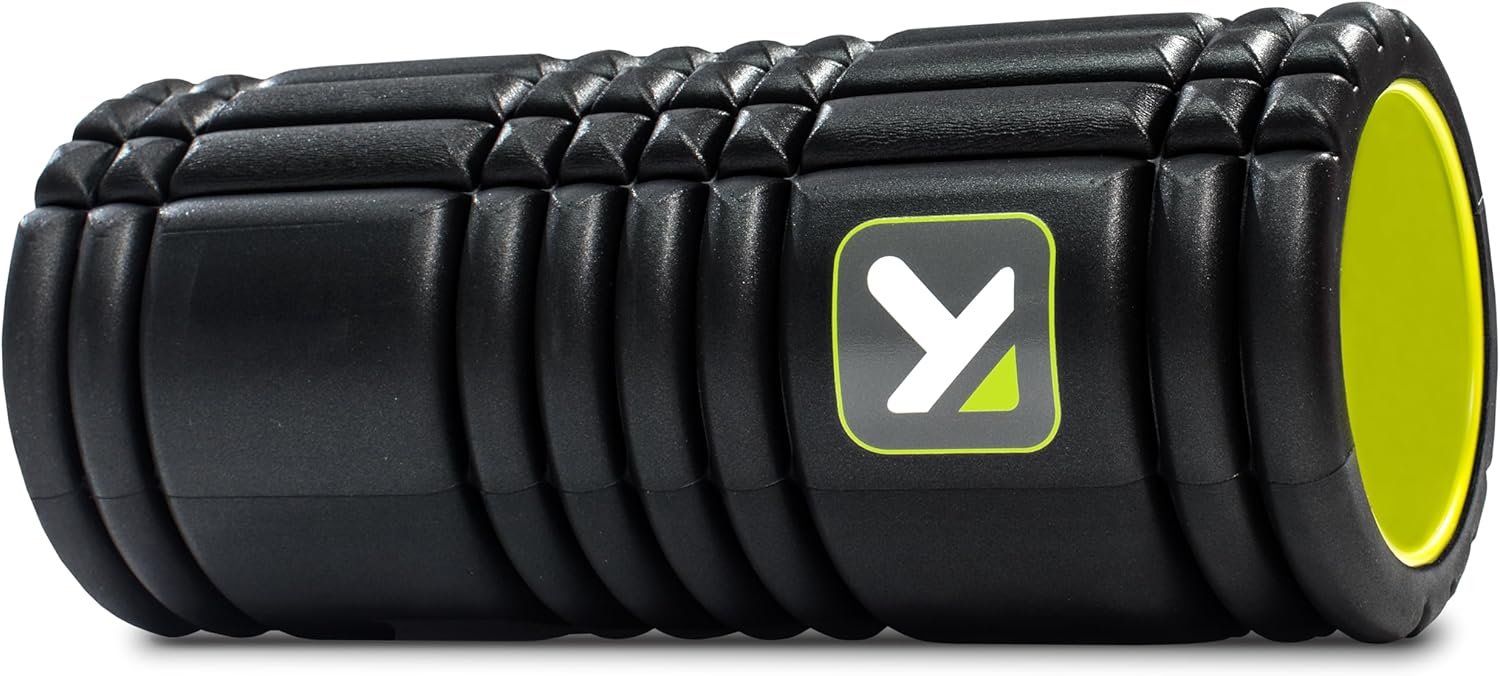
Best for: Back pain, general recovery, mobility
Firmness: Medium–Firm
Length: 13 inches
Price: ~£35-£40
The TriggerPoint GRID remains one of the most physiotherapist-recommended foam rollers thanks to its multi-density surface, which mimics hands-on massage. It delivers targeted pressure without overwhelming sensitive muscles.
Pros
- Excellent balance of comfort and intensity
- Durable hollow core (won't lose shape)
- Ideal for back, legs, and hips
Cons
- May feel firm for complete beginners
- Shorter length limits full spine support
👉 Best choice for most people looking for one reliable foam roller.
🥈 LuxFit Premium High-Density Foam Roller – Best Value
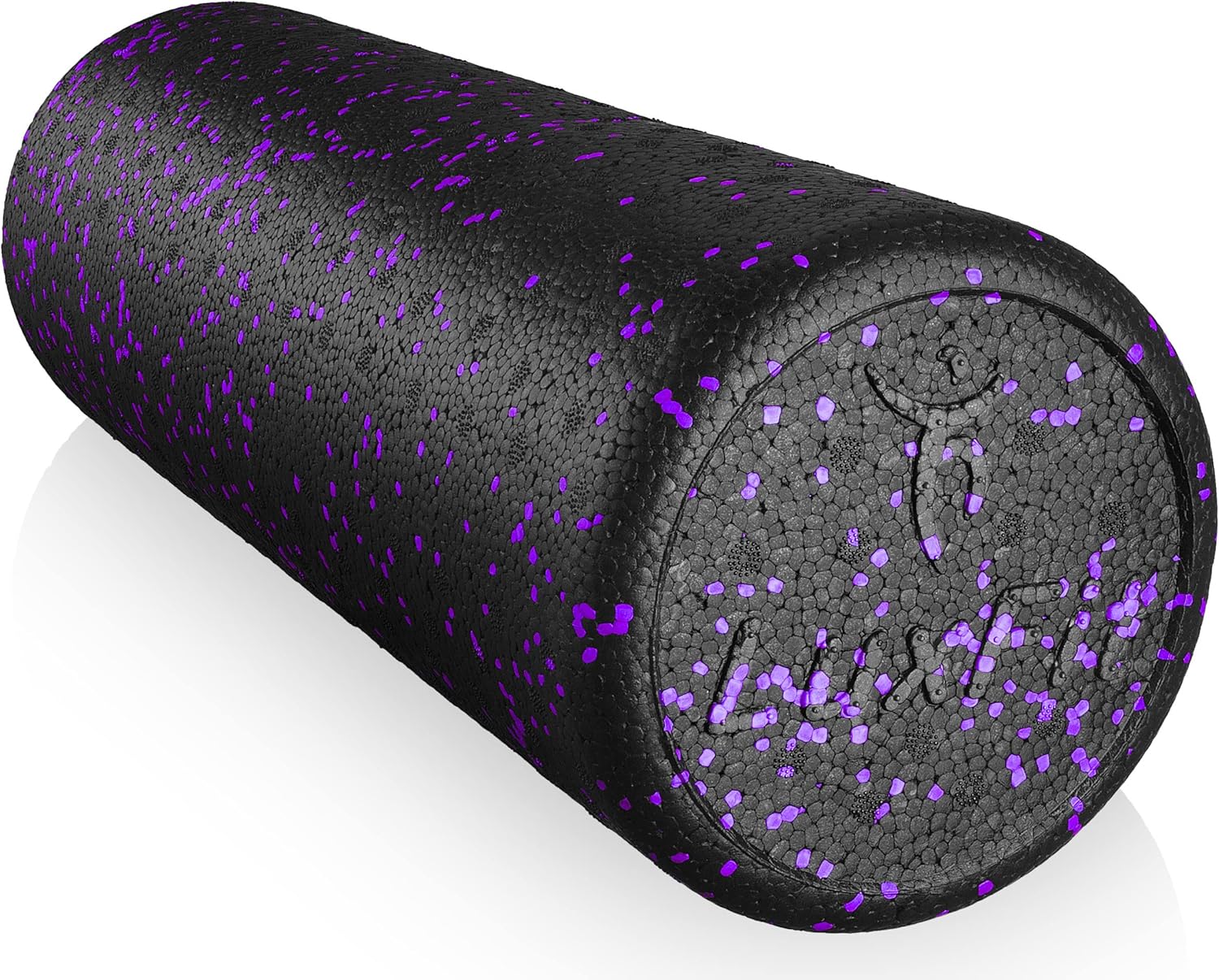
Best for: Full-body rolling, budget buyers
Firmness: Medium
Length: 18 or 36 inches
Price: ~£20-£25
LuxFit offers a smooth, high-density roller that's excellent for users who want even pressure across the entire back.
Pros
- Great price-to-performance ratio
- Full-length option supports spine alignment
- Beginner-friendly surface
Cons
- No texture for deep trigger points
🥉 Yes4All Extra Firm Foam Roller – Best for Durability
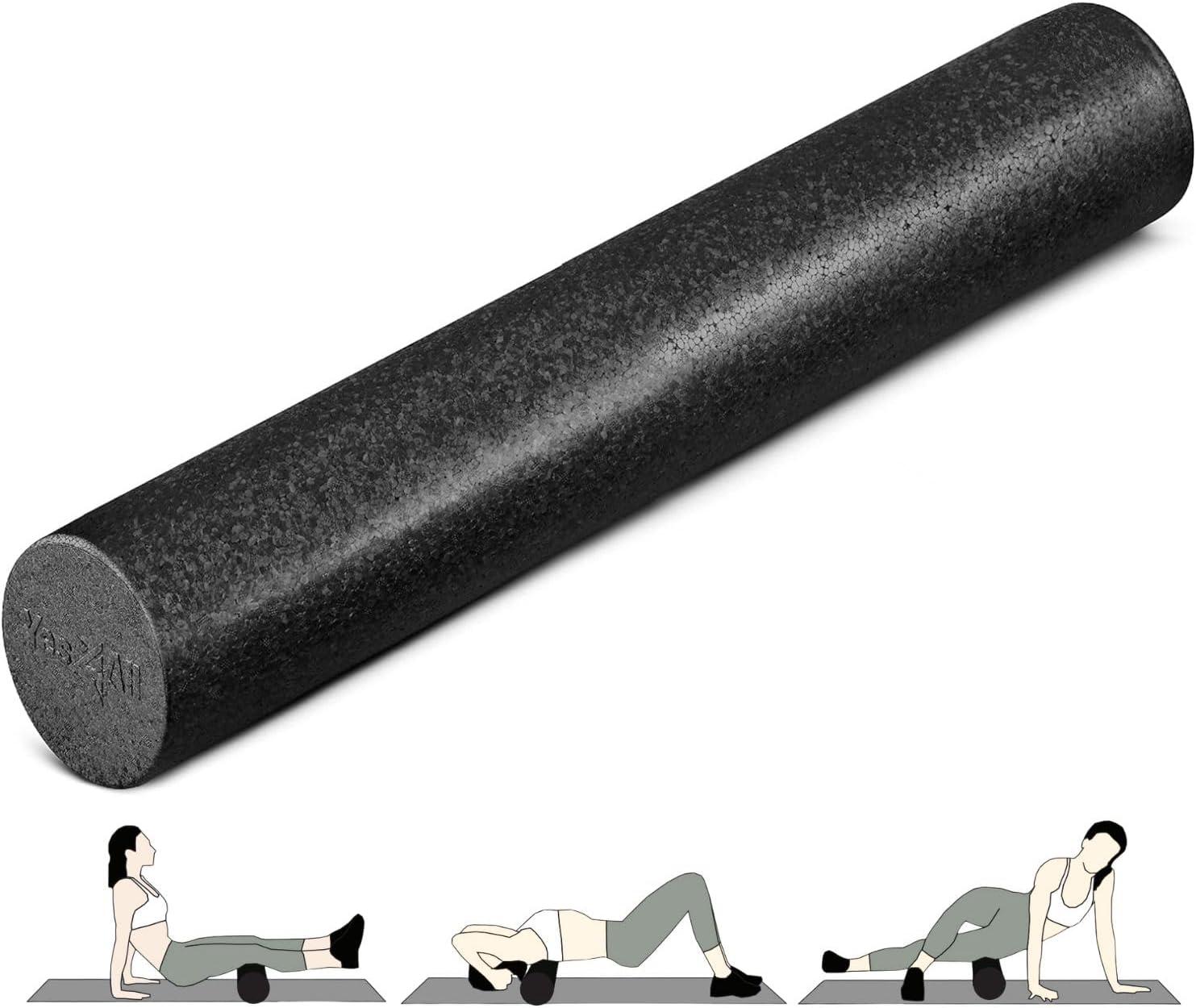
Best for: Athletes, heavy use
Firmness: Firm
Length: 36 inches
Price: ~£25-£30
This roller is extremely durable and ideal for users who want long-term performance and deep pressure.
Pros
- High load capacity
- Excellent for glutes, hamstrings, and quads
- Long length for back support
Cons
- Too firm for sensitive users
📊 Comparison Table – Best Overall Foam Rollers
| Product | Firmness | Length | Best For |
|---|---|---|---|
| TriggerPoint GRID | Medium–Firm | 13" | Back pain, recovery |
| LuxFit Premium | Medium | 18–36" | Beginners, full back |
| Yes4All Extra Firm | Firm | 36" | Athletes, deep tissue |
📸 Image Suggestion: Product lineup photo showing rollers side-by-side with firmness labels
Best Foam Rollers for Back Pain
Foam rollers for back pain should deliver controlled pressure, avoid spinal compression, and allow gradual muscle release.
TriggerPoint GRID – Best Overall for Back Pain
The GRID's textured surface stimulates blood flow while still allowing control. Ideal for upper and mid-back stiffness caused by desk work or posture issues.
Best for
- Upper & mid-back tension
- Posture-related pain
- Regular maintenance
Chirp Wheel+ – Best Spine-Safe Alternative
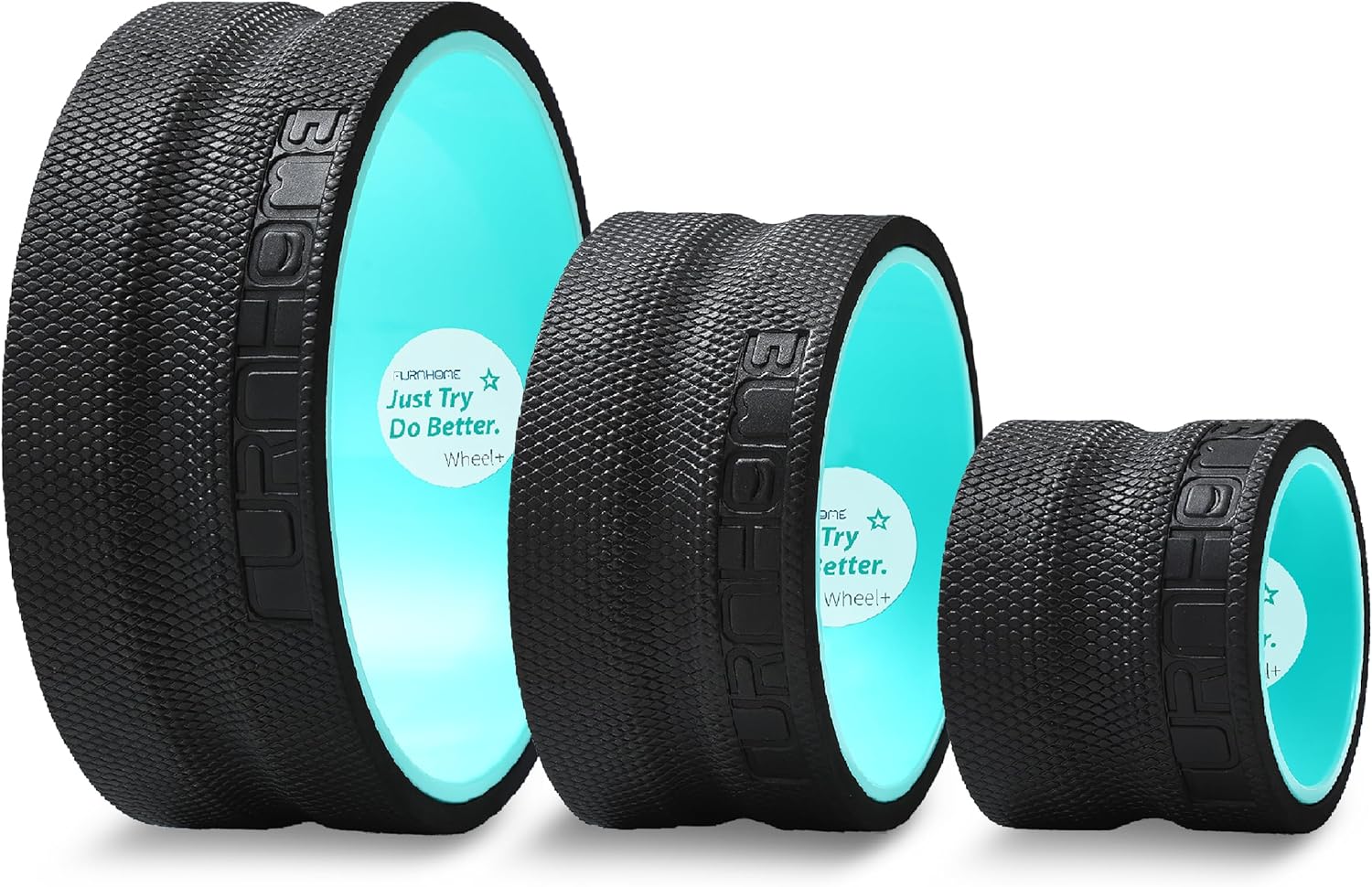
Unlike traditional rollers, the Chirp Wheel supports the spine while targeting muscles beside the spine, making it safer for sensitive backs.
Best for
- Chronic back stiffness
- Spine sensitivity
- Gentle mobility work
Price: ~£40-£50
AmazonBasics High-Density Foam Roller – Best Budget Option
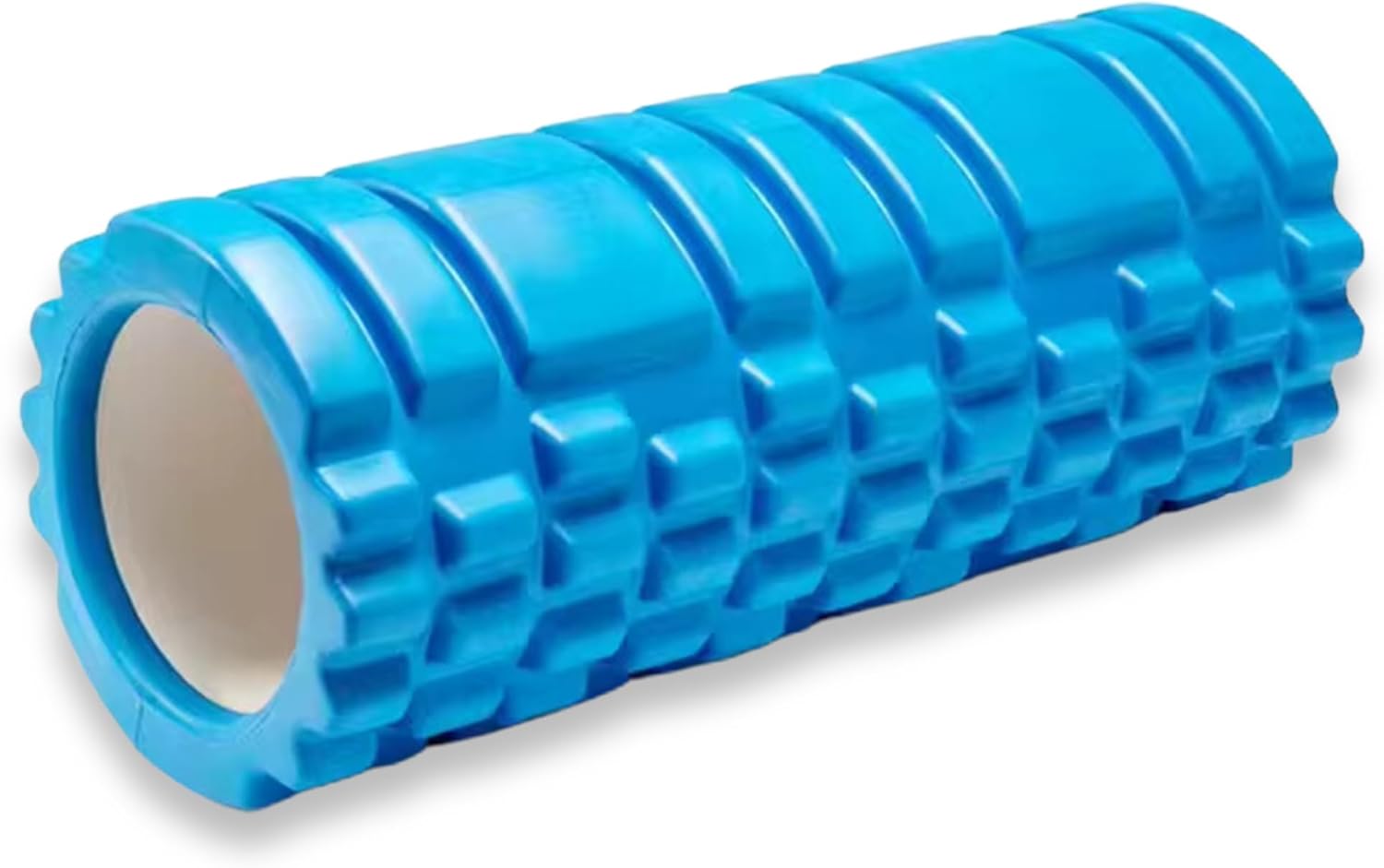
A smooth, beginner-friendly roller that delivers consistent pressure without discomfort.
Price: ~£15
📊 Comparison Table – Back Pain Foam Rollers
| Product | Type | Spine-Safe | Ideal User |
|---|---|---|---|
| TriggerPoint GRID | Textured | ⚠️ Partial | Most users |
| Chirp Wheel+ | Wheel | ✅ Yes | Sensitive spines |
| AmazonBasics | Smooth | ⚠️ Partial | Beginners |
📸 Usage Diagram Suggestion: Illustration showing safe rolling zones beside the spine (green) and no-roll zones directly on spine (red)
Alt text: "Safe foam rolling zones for back pain relief"
Best Foam Rollers for Thoracic Spine (Upper Back Mobility & Posture)
The thoracic spine (mid–upper back) plays a major role in posture, breathing, and shoulder movement. If you sit for long hours, train regularly, or struggle with rounded shoulders, restricted thoracic mobility is often part of the problem.
Unlike the lower back, the thoracic spine responds well to controlled extension and soft-tissue work — but the right tool matters. For this area, we prioritise rollers and mobility tools that provide steady pressure, spinal clearance, and good control, rather than aggressive compression.
Below are our physiotherapist-recommended options for improving thoracic spine mobility and relieving upper-back stiffness.
OPTP PRO-ROLLER Soft Density – Best for Thoracic Mobility
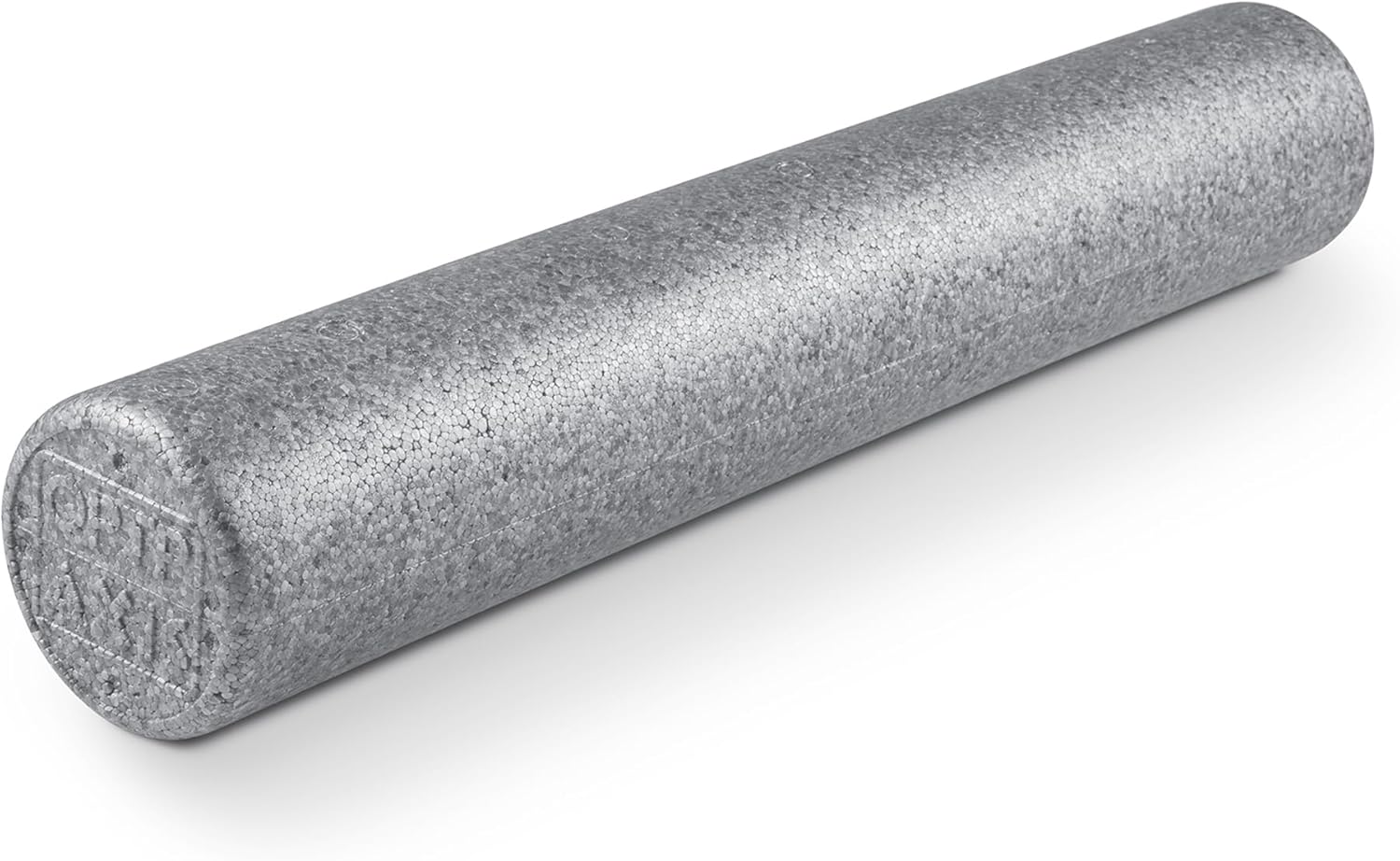
Best for: Thoracic extensions, posture work, daily mobility
Firmness: Medium
Type: Smooth cylinder
Why it stands out:
- Excellent control for thoracic extensions
- Consistent, even pressure
- Comfortable enough for daily use
- Great choice for desk workers and beginners progressing their mobility
The OPTP PRO-ROLLER is widely used in physiotherapy clinics for thoracic spine work. Its smooth, medical-grade foam allows slow, controlled movement — ideal for improving upper-back extension without overwhelming sensitive areas.
BackPod Posture Tool – Best for Targeted Thoracic Joint Release
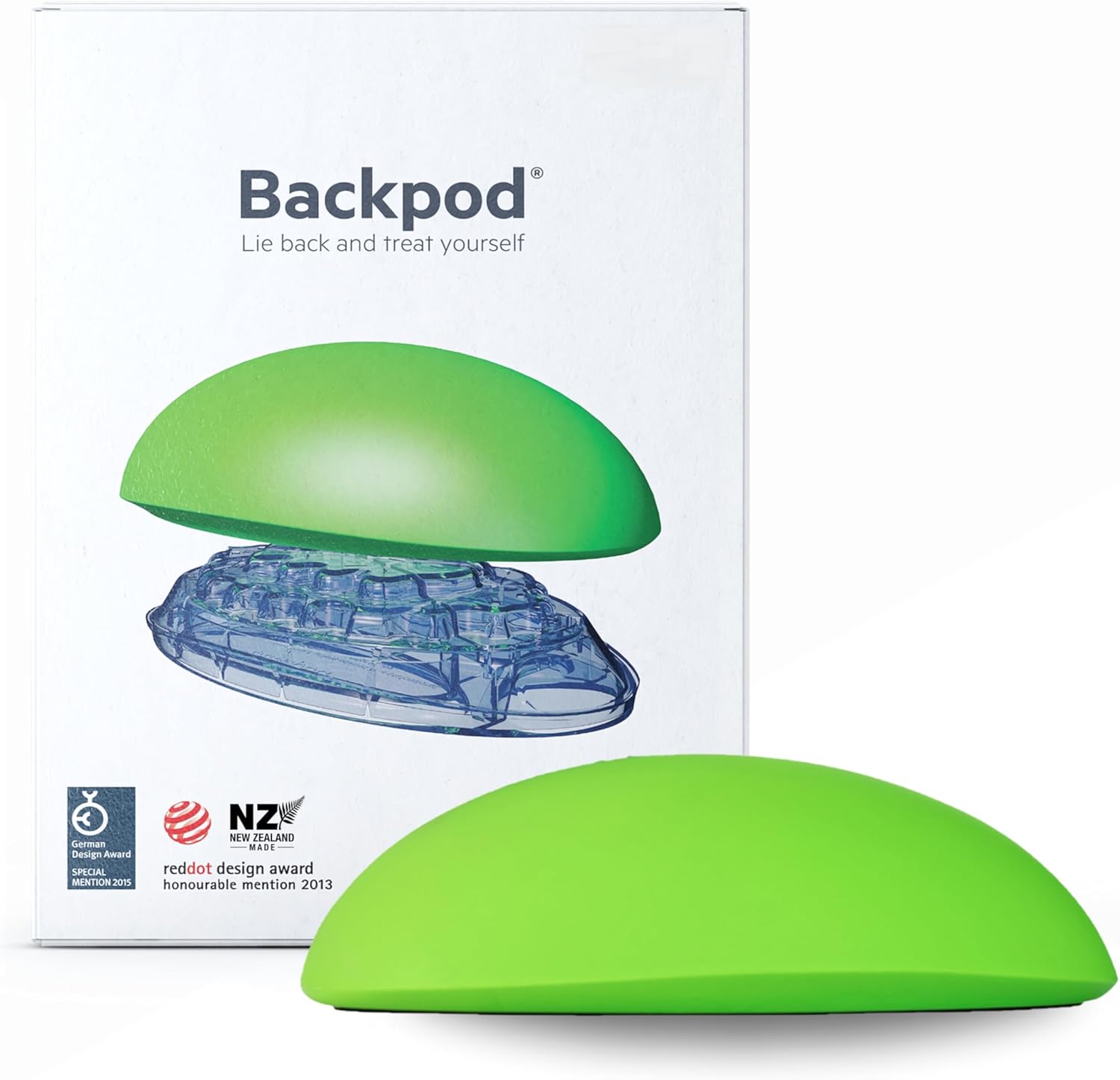
Best for: Upper-back stiffness, rib mobility, desk-related posture issues
Type: Targeted posture tool
Why it stands out:
- Designed specifically for thoracic spine mobility
- Targets restricted segments between the shoulder blades
- Popular in UK physio clinics for posture-related stiffness
The BackPod isn't a traditional foam roller, but it's highly effective for addressing stiff thoracic joints and rib restrictions. It applies focused pressure to small areas that standard rollers often miss.
This is a strong option if your upper back feels "locked up" rather than just muscularly tight.
PhysioRoom Grid Foam Roller – Best Budget Upper Back Roller (UK)
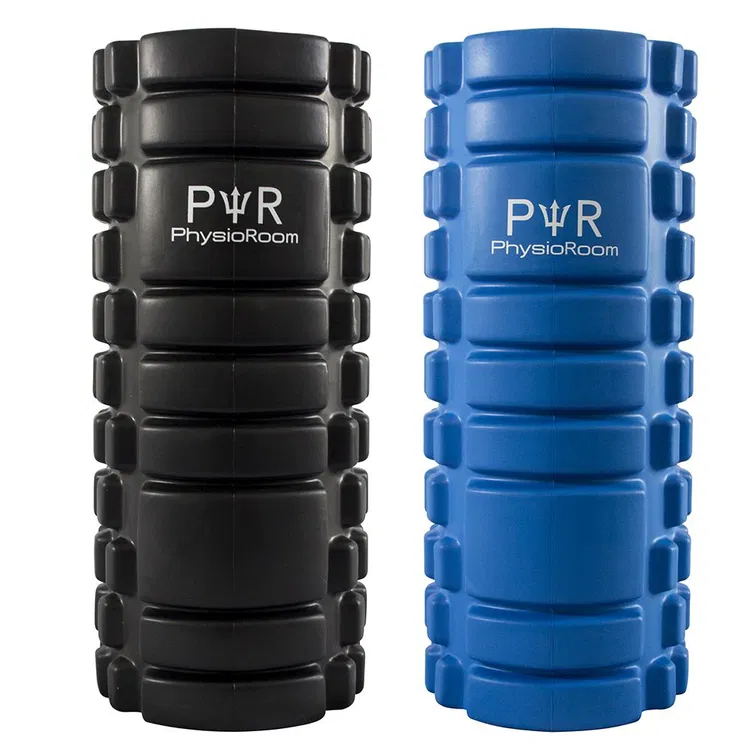
Best for: Upper-back muscle tension, light trigger-point work
Firmness: Medium–Firm
Type: Lightly textured roller
Why it stands out:
- UK physio-brand credibility
- Light texture for controlled muscle release
- Good balance of firmness and comfort
- Widely available at an affordable price
PhysioRoom is a UK-based physio supplier, which adds trust and relevance. Their grid roller provides gentle texture that works well for the upper back without being overly aggressive.
💰 Cheapest Thoracic Option: Duoball / Peanut Massage Ball
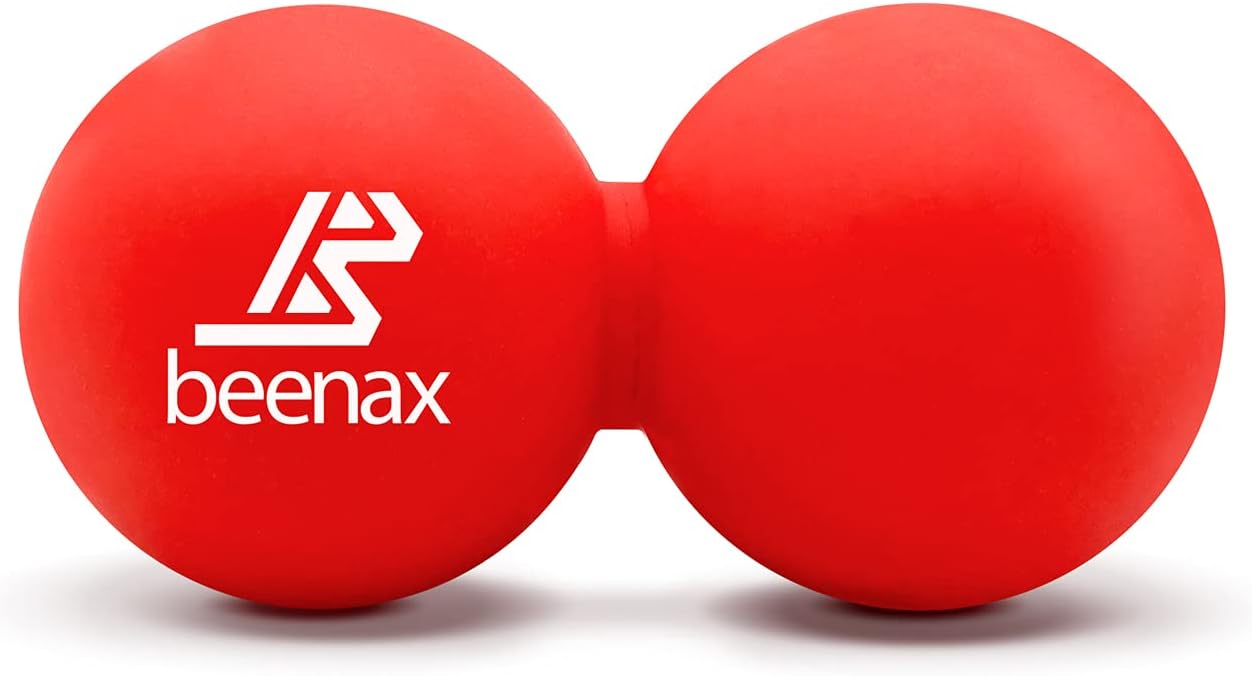
If you want a cheaper and more targeted alternative to a full foam roller, a duoball (also called a peanut massage ball) is an excellent option for thoracic spine work.
The peanut shape allows pressure to sit either side of the spine, helping release tight upper-back muscles while avoiding direct pressure on the vertebrae — making it ideal for sensitive backs.
Why duoballs work so well for the thoracic spine:
- Groove design avoids spinal compression
- Excellent for tight areas between the shoulder blades
- Much cheaper than most rollers (often under £10–£15)
- Easy to use against a wall or on the floor
- Small, portable, and great for desk workers
Basic EVA foam peanuts are perfect for beginners, while firmer options like the BLACKROLL Duoball suit experienced users who want deeper pressure.
Wave Duo – slightly more pricey alternative: For a step up from basic peanuts, the Wave Duo (or similar dual-ball designs) offers a similar groove layout with a more durable build and often slightly firmer density. Expect to pay around £25–£35. A good option if you want something that will last longer and deliver more consistent pressure than budget EVA peanuts.
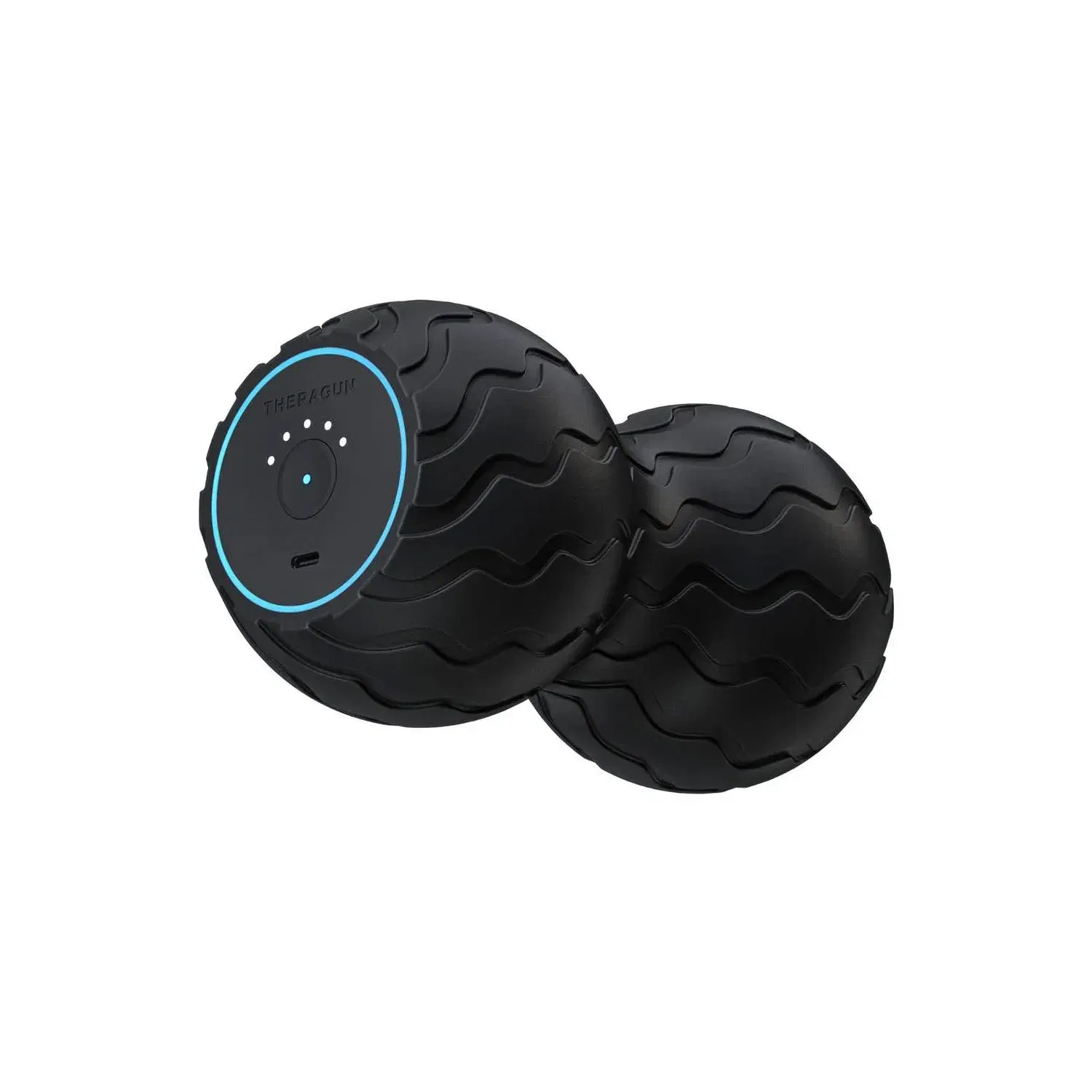
Best for: Posture-related tension, upper-back stiffness, and anyone wanting an affordable thoracic mobility tool.
Physio tip: Start using the duoball against a wall to control pressure before progressing to floor-based work.
🍐 Peanut Massage Ball vs 🌀 Foam Roller (Upper Back)
| Feature / Factor | Peanut Massage Ball | Foam Roller |
|---|---|---|
| Best for | Targeted muscle release between shoulder blades | Broader upper back mobility & tension relief |
| Pressure Type | Focused — hits small tight spots | Distributed — covers larger areas |
| Spinal Safety | 👍 High — avoids direct pressure on spine | ⚠️ Moderate — must avoid rolling directly on spine |
| Ease of Use | 👍 Easy against wall or floor | 🌀 Easy but requires positioning |
| Portability | ⭐ Very portable, lightweight | ⭐ Portable (larger than balls) |
| Intensity Control | 👍 Good — easy to modulate | Moderate — full-body movement |
| Best For Users | Desk workers, posture issues, knot release | Beginners (smooth), daily mobility, general stiffness |
| Typical Cost | Low (~£10–£25) | Mid (~£20–£40+) |
| Recommended When… | You want pinpoint relief between shoulder blades | You want to improve overall thoracic extension and release tight muscles more globally |
📊 Comparison Table – Thoracic Spine / Upper Back Tools
| Product | Type | Firmness | Best For |
|---|---|---|---|
| OPTP PRO-ROLLER Soft | Smooth cylinder | Medium | Thoracic extensions, posture work, daily mobility |
| BackPod | Targeted posture tool | Firm (controlled) | Upper-back stiffness, rib mobility, desk-related posture issues |
| PhysioRoom Grid Roller | Lightly textured | Medium–Firm | Upper-back muscle tension, light trigger-point work |
| Duoball / Peanut Massage Ball | Targeted ball (groove) | Varies (soft–firm) | Posture-related tension, affordable thoracic mobility |
| Wave Duo | Targeted ball (groove) | Medium–Firm | Thoracic mobility, durable alternative to peanuts (~£25–£35) |
How to Use a Foam Roller for Thoracic Spine Mobility
For safe and effective thoracic rolling:
- Place the roller across your upper back (below the shoulder blades)
- Support your head and neck with your hands
- Gently extend over the roller, then return to neutral
- Perform 6–10 slow repetitions, breathing deeply
- Avoid rolling directly on the neck or lower back
Consistency matters more than intensity — 2–3 minutes daily often produces better results than occasional hard sessions.
Physio guidance: Thoracic work should feel like stretching pressure, not sharp pain. If discomfort feels aggressive or nerve-like, stop and reduce pressure.
Best Foam Rollers for Lower Back Pain
Lower back pain (lumbar pain) requires a more cautious approach than upper back rolling. The lumbar spine is more vulnerable to compression, so the goal is to release the surrounding muscles — not apply pressure directly to the spine.
Lower back pain is often driven by tight quadratus lumborum, glutes, hip flexors, and lower erector spinae, as well as prolonged sitting and poor posture.
TriggerPoint GRID – Best Overall for Lower Back Pain
The TriggerPoint GRID provides enough pressure to release tight lower back muscles while still allowing excellent control. When used correctly, it helps reduce muscle tension without forcing the lumbar spine into excessive extension.
Why it works well:
- Moderate firmness prevents over-compression
- Allows gentle side-to-side rolling
- Suitable for beginners progressing gradually
- Effective when combined with hip and glute rolling
Chirp Wheel+ – Best Spine-Safe Option for Lower Back Pain
For people with spinal sensitivity or fear of traditional foam rolling, the Chirp Wheel+ is one of the safest tools for lower back mobility. The wheel supports the spine while allowing muscles on either side to release.
Best suited for:
- Chronic lower back stiffness
- Limited mobility
- Gentle decompression and posture support
Important Lower Back Safety Advice
- Avoid placing full body weight directly on the lumbar spine
- Use slow, controlled movements
- Focus on releasing hips and glutes alongside lower back work
- Stop if you feel sharp or nerve-like pain
Best Foam Rollers for Beginners
Beginners should prioritise comfort and control over intensity. Starting with a roller that is too firm can cause muscle guarding and discourage consistent use.
Amazon Basics High-Density Foam Roller – Best Beginner Choice
This roller provides smooth, even pressure and is easy to control, making it ideal for learning proper foam rolling technique.
Beginner tips:
- Start with 5–10 minute sessions
- Roll slowly and pause on tight spots
- Use arms and legs to control pressure
- Breathe deeply to allow muscles to relax
Best Foam Rollers for Athletes & Runners
Athletes and runners often need firmer rollers to address deeper muscle tightness caused by higher training loads and repetitive movement.
Best Foam Rollers for Runners
For runners, the key areas to target are the calves, quadriceps, hamstrings and, with care, the IT band. The goal is to keep these muscles supple enough to tolerate mileage without overloading the knees, hips or lower back.
We recommend combining the RumbleRoller Original and the 321 STRONG Foam Roller. The RumbleRoller is ideal for occasional deep tissue work on very tight calves and quads after heavy training blocks, while the 321 STRONG provides a more balanced, medium-firm pressure that works well for regular post-run recovery sessions.
For the IT band, focus on rolling the muscles around it (glutes, outer quads and hip musculature) rather than pressing directly on the band itself. Short, controlled sessions 3–4 times per week usually provide better results than infrequent, overly aggressive rolling.
RumbleRoller Original – Best for Deep Tissue Release
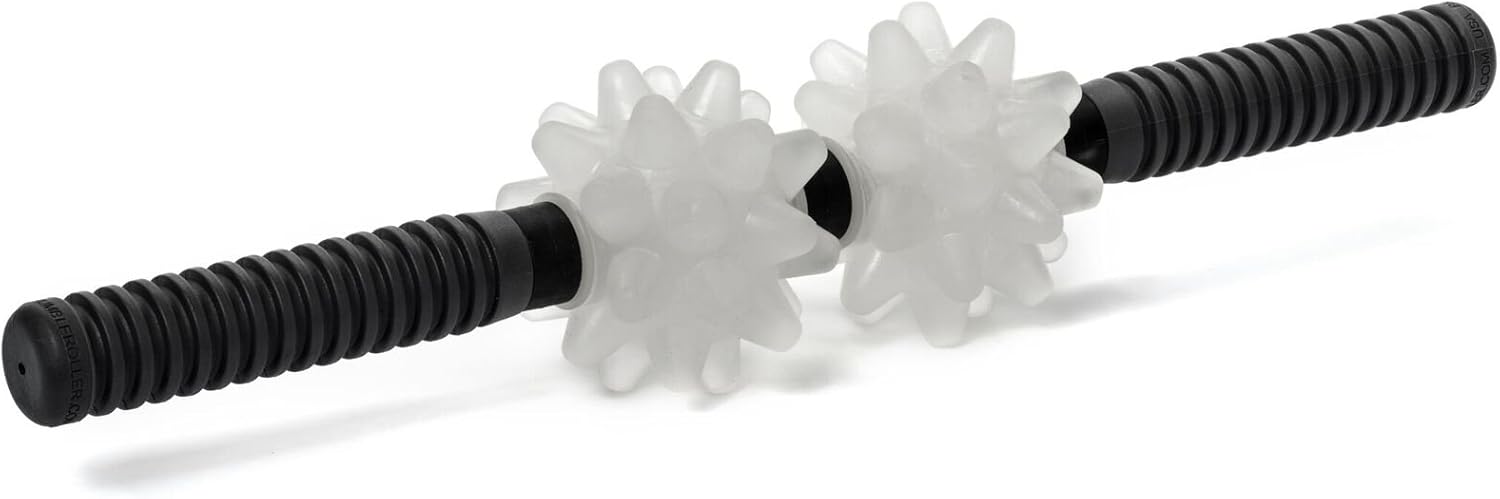
The RumbleRoller features a firm, aggressively textured surface designed for experienced users who need deeper pressure.
Best for:
- Post-run recovery
- Tight calves, hamstrings, and glutes
- Heavy training blocks
This roller is not recommended for beginners or acute pain but can be highly effective when used correctly.
Best Foam Rollers for Leg Recovery
Foam rolling the legs helps improve circulation, reduce muscle soreness, and speed up recovery — especially for runners, gym-goers, and athletes.
RumbleRoller Original – Best for Deep Leg Release
The RumbleRoller is designed for experienced users who need deep tissue work on large muscle groups.
Best for:
- Runners and athletes
- Tight quads, hamstrings, and calves
- Heavy training loads
Price: ~£35
Why it works:
- Firm density reaches deep muscle layers
- Aggressive texture targets stubborn knots
⚠️ Not recommended for beginners or acute pain.
321 STRONG Foam Roller – Best Balanced Leg Roller
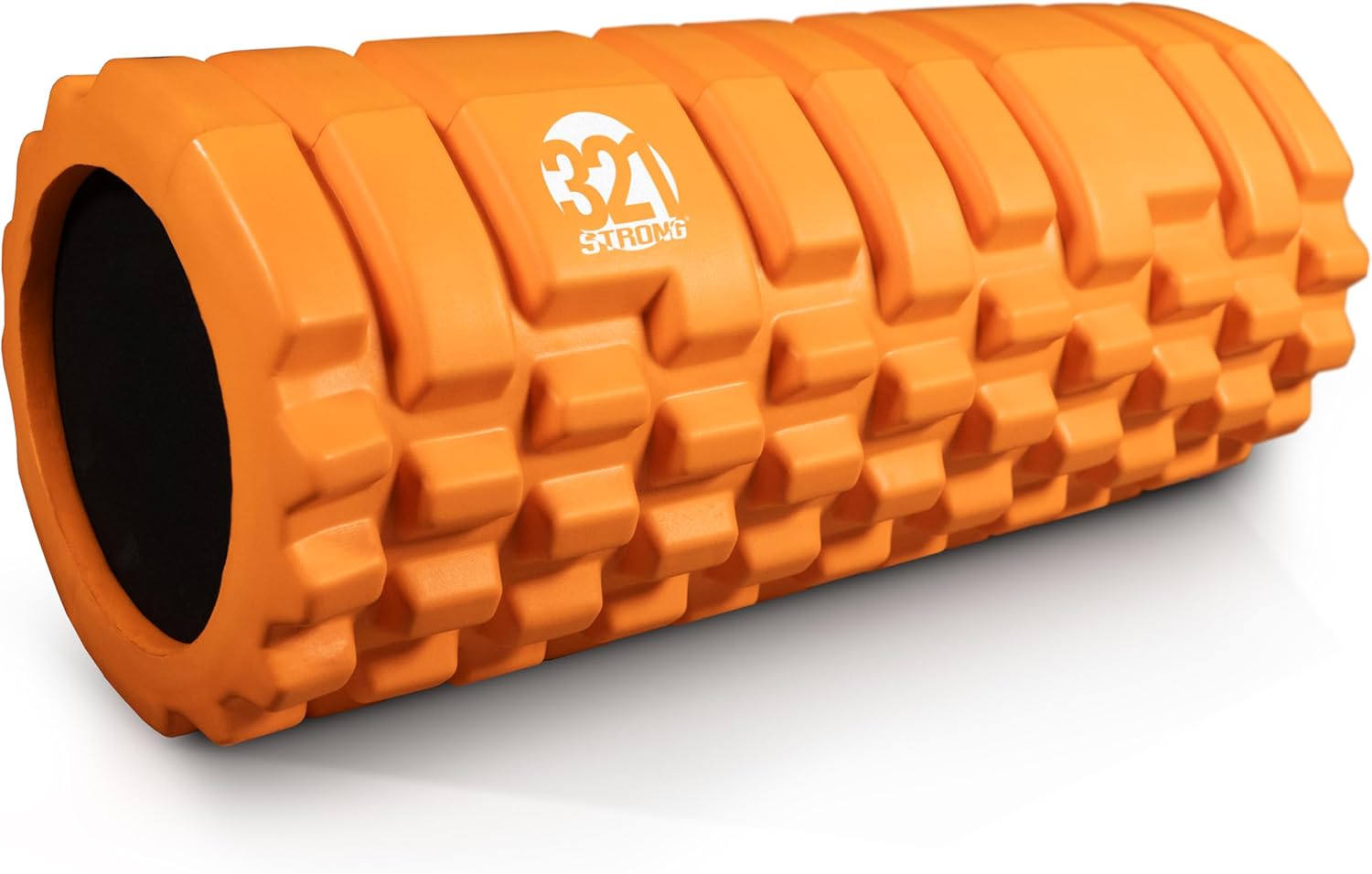
The 321 STRONG roller offers a comfortable middle ground between intensity and control, making it ideal for regular leg recovery.
Best for:
- Post-workout soreness
- Recreational runners
- Full leg sessions
Price: ~£25
AmazonBasics High-Density Foam Roller – Best Beginner Leg Roller
This smooth, high-density roller provides consistent pressure and is easy to control, making it perfect for learning proper technique.
Best for:
- Foam rolling beginners
- Light to moderate leg soreness
- At-home recovery
Price: ~£15
📊 Comparison Table – Leg Recovery Foam Rollers
| Feature / Model | 321 STRONG | RumbleRoller | AmazonBasics |
|---|---|---|---|
| Type | Firm, textured | Extra firm, nodules | Medium density, smooth |
| Length | 33 cm | 33 cm | 33 cm |
| Diameter | 14 cm | 14 cm | 14 cm |
| Material | EVA foam | EVA foam | EPP foam |
| Best For | Quads, calves, hamstrings | Deep tissue massage, IT band | General leg muscles, beginners |
| Price (approx.) | £25 | £35 | £15 |
| Durability | High | Very high | Moderate |
| Portability | Lightweight | Medium | Lightweight |
Leg Foam Rolling Areas Covered:
- Quadriceps
- Hamstrings
- Calves
- IT band (with caution)
Leg Rolling Safety Tips:
- Roll slowly (30–90 seconds per area)
- Avoid rolling directly over joints
- Reduce pressure if pain is sharp or nerve-like
How to Choose the Right Foam Roller
Choosing the right foam roller depends on your experience level, pain sensitivity, and recovery goals.
Key considerations:
- Firmness: Medium for back and lower back pain; firm for athletic recovery
- Texture: Smooth for comfort; textured for targeted release
- Length: Full-length rollers provide better back support
- Goal: Pain relief, recovery, posture, or performance
The best foam roller is one you can use consistently and safely. Regular, controlled sessions are far more effective than aggressive or infrequent use.
If you have ongoing or severe lower back pain, foam rolling should be used alongside guidance from a physiotherapist rather than as a replacement for professional care.
Benefits of Using a Foam Roller for Back Pain
- Pain Relief: Releases trigger points, improves circulation
- Improved Flexibility: Enhances range of motion in spine, shoulders, hips
- Better Posture: Releases tight muscles that cause strain
- Faster Recovery: Speeds up muscle recovery and reduces soreness
- Cost-Effective: One-time investment vs recurring massage costs
- Convenience: Use at home, before/after workouts, or during work breaks
Step-by-Step Foam Rolling Techniques
1. Upper & Mid-Back Roll
- Sit on floor with roller behind shoulder blades
- Lean back, support head, walk feet forward/back
Target: Rhomboids, trapezius, erector spinae
2. Lower Back Release
- Place roller under lower back, support with hands
- Rock side to side, keep weight off spine
Target: Lower erector spinae, quadratus lumborum
3. Latissimus Dorsi (Lats) Roll
- Lie on side, roller under armpit, roll from armpit to hip
Target: Latissimus dorsi
4. Hip Flexor & Quad Roll
- Lie face down, roller under hip flexors/thighs
- Slowly roll from hip bone to above knee
Target: Iliopsoas, quadriceps
Foam Rolling Safety Tips
- Never roll directly on your spine or bones
- Move slowly, breathe deeply, and relax muscles
- Stop if you feel sharp or shooting pain
- Start with gentle pressure and increase gradually
- Hydrate before and after
Common Foam Rolling Mistakes
❌ Rolling Too Fast — Move slowly, pause on tight spots
❌ Rolling Directly on Spine — Focus on surrounding muscles
❌ Using Too Much Pressure — Gradually increase weight
❌ Holding Your Breath — Breathe deeply
❌ Ignoring Pain Signals — Distinguish "good" vs "bad" pain
Frequently Asked Questions
Q: How often should I foam roll my back?
3–5 times per week for maintenance; daily for acute tension, 5–15 mins per session.
Q: How long per muscle group?
30–90 seconds per area, pause 20–30 seconds on tight spots.
Q: Smooth vs textured rollers?
Smooth = consistent pressure, good for beginners. Textured = deeper pressure, targets trigger points.
Q: Can foam rolling replace professional massage?
No. Use as a maintenance tool between treatments.
Q: Why does foam rolling hurt?
Mild discomfort = "good pain," sharp pain = stop and consult a professional.
Final Thoughts
The best foam roller depends on your goals, comfort, and experience.
- Beginners & those with back pain → moderate or spine-friendly rollers
- Athletes → firmer options for deeper muscle work
Explore More:
- Best Foam Rollers for Back Pain – spine-safe options for back pain relief
- Best Foam Rollers for Beginners – safe, comfortable picks for first-time users
- Back Pain Guide – including sections on the best foam roller for back pain and other support tools
- Back Pain Tools Review – foam roller reviews alongside lumbar cushions and other supports
- Therapeutic Exercise – mobility and recovery exercises that pair well with the best foam rollers
- Sports Physiotherapy – recovery strategies for runners using foam rollers and other tools
- Posture Problems – how posture, mobility and support tools fit together