7 Best Foam Rollers for Beginners (Safe, Comfortable & Physio Reviewed – 2026)
Beginner-friendly rollers chosen for comfort, control, and safe introduction to foam rolling.
Starting foam rolling can feel intimidating — especially if you're dealing with tight muscles, stiffness, or recovering from injury. Using a roller that is too firm can cause unnecessary discomfort and discourage consistency.
In this physiotherapist-informed guide, we review the safest foam rollers for beginners — focusing on comfort, pressure control, stability, and ease of use. For a broader comparison across all rollers, explore our complete guide to the best foam rollers.
🏆 Best Overall Foam Roller for Beginners
Amazon Basics High-Density Foam Roller — extremely predictable pressure, affordable, and unintimidating. Perfect psychological entry point for first-time users.
Read full review →⭐ What Is The Best Foam Roller for Beginners?
The best foam roller for beginners is typically a soft to medium-density roller with a smooth surface, allowing muscles to adapt gradually without excessive pain.
Stability and control matter more than intensity when starting out. A longer roller (36 inches or more) reduces wobble and makes it easier to maintain balance, while a smooth surface provides predictable pressure that won't surprise you mid-roll.
Why Beginners Should Avoid Firm Rollers
Firm rollers can trigger several responses that make foam rolling feel unpleasant or counterproductive for beginners:
- Muscle guarding: When pressure feels too intense, muscles contract defensively, reducing the intended release and potentially increasing tension.
- Pain response: Excessive discomfort can activate the nervous system's protective mechanisms, making future rolling sessions feel more threatening.
- Nervous system sensitivity: Beginners often have less tolerance for novel sensations; a firm roller can overwhelm the system before adaptation occurs.
- Adherence drop-off: If rolling feels painful or scary, people stop using the tool — even if it could help with consistency and gradual progression.
Starting with a softer roller allows your body to adapt to the sensation gradually, which improves both comfort and long-term adherence.
What Makes a Foam Roller Beginner-Friendly?
A beginner-friendly roller should have:
- ✅Soft–medium density: Provides feedback without feeling aggressive
- ✅Smooth surface: Predictable pressure without unexpected texture spikes
- ✅Longer length (36 inches+): Reduces wobble and improves stability
- ✅Predictable pressure: Consistent feel across the entire roller surface
- ✅Not overly textured: Avoids deep grooves or aggressive patterns that can feel intimidating
Comparison Table – Best Foam Rollers for Beginners
| Product | Density | Length | Stability | Best For | Price | Physio Verdict |
|---|---|---|---|---|---|---|
| Amazon Basics High-Density | Medium | 36 inches | High | First-time users | ~£12–£18 | Extremely predictable; perfect entry point |
| OPTP PRO-ROLLER Soft Density | Soft–medium | 36 inches | High | Long-term progression | ~£30–£40 | Clinic-grade; soft enough but not mushy |
| LuxFit Premium Foam Roller | Medium | 36 inches | Very high | Stability-focused beginners | ~£20–£30 | Long length reduces wobble significantly |
| Yes4All Soft Foam Roller | Soft | 36 inches | High | Budget-conscious beginners | ~£15–£25 | Low buying friction; gentle introduction |
| Half Foam Roller | Soft–medium | N/A (flat base) | Maximum | Nervous first-time users | ~£10–£20 | Flat side prevents rolling; ideal for rehab |
| Gaiam Restore Foam Roller | Soft | 36 inches | High | Gentle recovery, yoga users | ~£25–£35 | Calm, restorative feel; signals gentle usage |
| TriggerPoint CORE Roller | Medium | 13 inches | Medium | Beginner-to-intermediate | ~£30–£40 | Allows growth without replacing quickly |
Soft vs Firm Foam Rollers
For beginners, soft to medium-density rollers are almost always the better choice. Here's why:
Soft–Medium Rollers
- Allow gradual adaptation to pressure
- Reduce muscle guarding and defensive responses
- Feel more comfortable and less intimidating
- Encourage consistency and long-term use
- Still provide effective muscle release when used correctly
Firm Rollers
- Can trigger excessive muscle guarding
- May feel painful or overwhelming for beginners
- Often discourage continued use
- Better suited to experienced users with stable symptoms
- Can be counterproductive if used too early
You can always progress to a firmer roller later if you find a soft one feels too gentle after several weeks of consistent use.
How Painful Should Foam Rolling Be?
This is a common beginner concern — and the answer matters for both safety and adherence.
✅ Discomfort is OK: A mild to moderate "good pain" or pressure sensation is normal and indicates you're working on tight tissue. This should feel manageable and should not make you tense up or hold your breath.
❌ Sharp pain means stop: If you feel sharp, shooting, or spreading pain — particularly nerve-like sensations — stop immediately. This suggests you're either using too much pressure, rolling too fast, or targeting an area that needs professional assessment first.
The goal is to feel better after rolling, not worse. If symptoms increase significantly during or after a session, reduce pressure, slow down, or consult a physiotherapist.
How Often Should Beginners Foam Roll?
For beginners, consistency matters more than duration or intensity. Follow these simple guidelines:
- Duration: Start with 5–10 minutes per session, focusing on 2–3 muscle groups (e.g., calves, hamstrings, glutes).
- Pace: Move slowly — spend 30–60 seconds on each tight spot rather than rushing through.
- Breathing: Keep breathing normally. Holding your breath increases muscle tension and reduces effectiveness.
- Frequency: Aim for 3–4 sessions per week initially. Daily rolling is fine if symptoms allow, but don't force it.
- Consistency over intensity: Regular, gentle rolling beats occasional aggressive sessions.
Beginner Foam Rolling Mistakes
Avoiding these common errors will make your introduction to foam rolling safer and more effective:
- Going too hard: Using excessive body weight or rolling too aggressively can cause bruising, muscle guarding, or symptom flare-ups.
- Rolling too fast: Quick passes don't allow muscles to adapt and release. Slow, controlled movements are more effective.
- Holding your breath: Breath-holding increases tension and reduces relaxation. Breathe normally throughout.
- Copying athletes: Social media videos often show intense rolling techniques suited to high-level athletes. Beginners need gentler approaches.
- Rolling directly on joints: Focus on muscle bellies, not bony areas or joints like the knee or ankle.
- Ignoring pain signals: If rolling makes symptoms worse, stop and reassess rather than pushing through.
Detailed Reviews – Best Foam Rollers for Beginners
🥇 Amazon Basics High-Density Foam Roller – Best Overall for Beginners
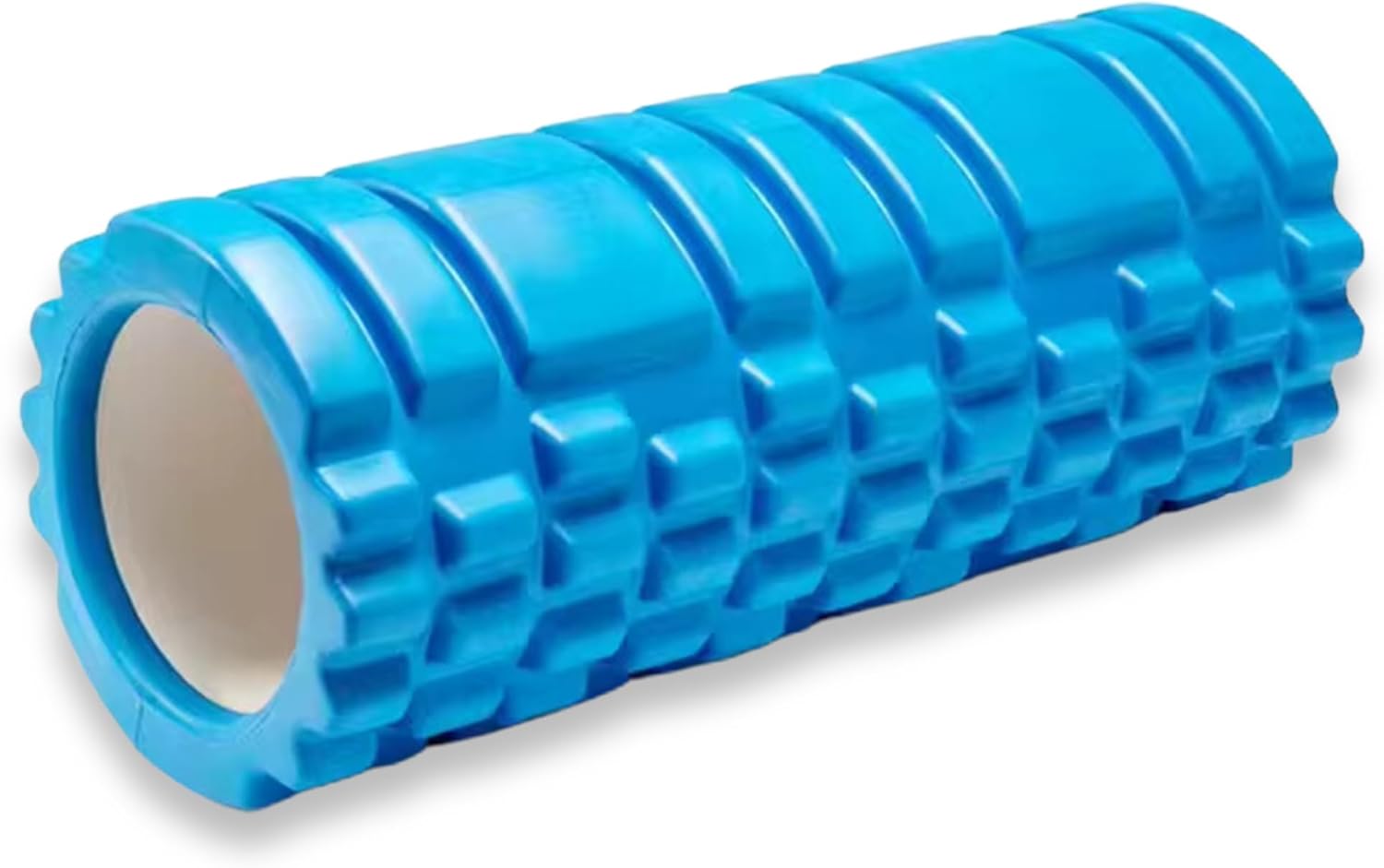
Best for: First-time users wanting predictable, unintimidating pressure.
Density: Medium (despite "high-density" name, feels moderate)
Length: 36 inches
Price: ~£12–£18
The Amazon Basics roller offers an extremely predictable feel that makes it ideal for beginners. Despite the "high-density" label, it provides moderate pressure that won't overwhelm sensitive muscles. The smooth surface and consistent construction mean you know exactly what to expect with each pass.
Physio view: Perfect psychological entry point — affordable, familiar brand, and unintimidating feel. Excellent for building confidence before progressing to more specialised tools.
🥈 OPTP PRO-ROLLER Soft Density – Best Physio-Grade Beginner Roller
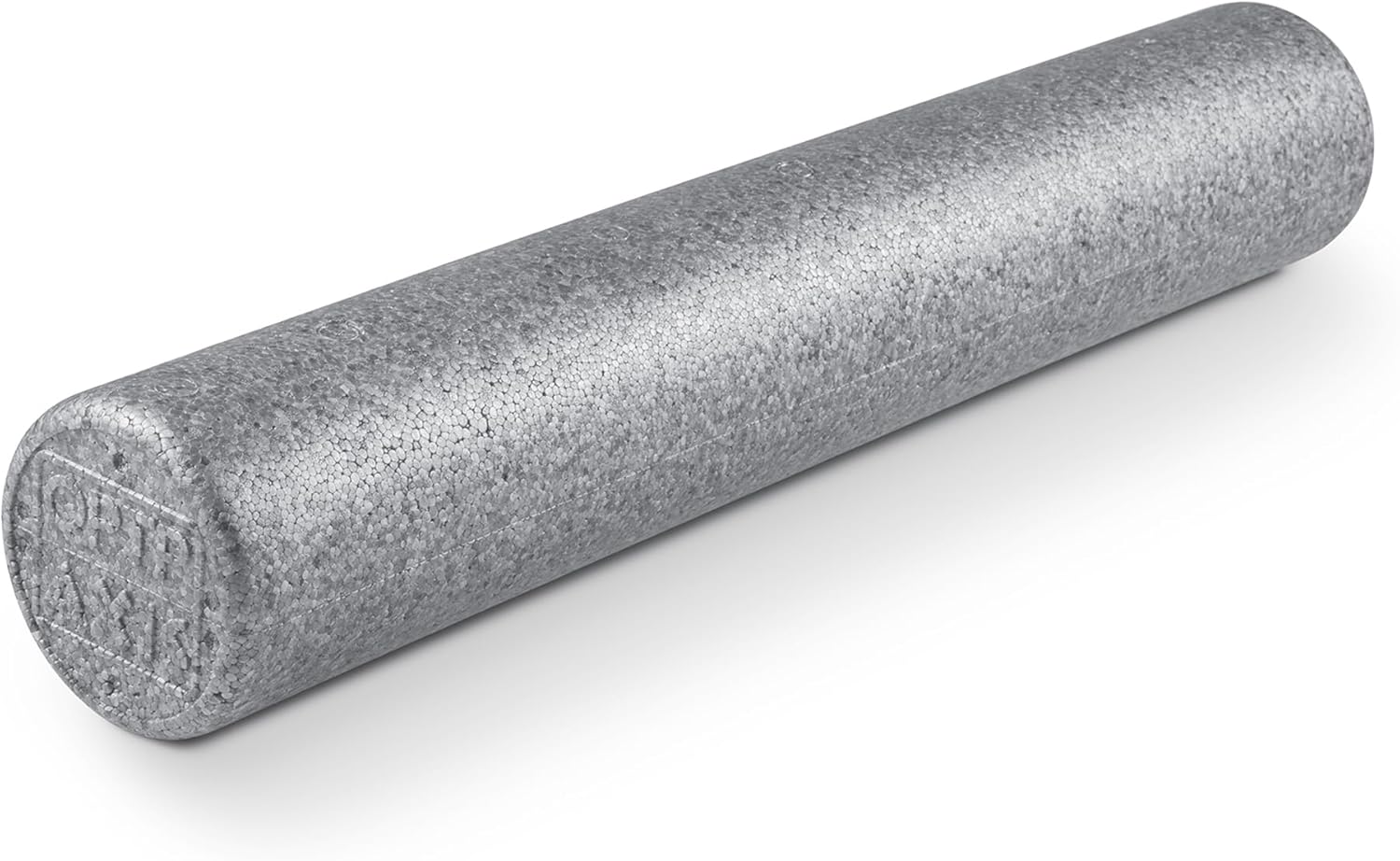
Best for: Beginners wanting clinic-grade quality and long-term progression.
Density: Soft–medium
Length: 36 inches
Price: ~£30–£40
Widely used in physiotherapy clinics, the PRO-ROLLER Soft Density strikes an ideal balance: soft enough to feel comfortable, but not so mushy that you lose feedback. This makes it excellent for beginners who want a roller they can grow with rather than outgrow quickly.
Physio view: Signals medical credibility immediately. Soft enough for sensitive backs, but substantial enough to remain useful as tolerance improves.
🥉 LuxFit Premium Foam Roller (36-inch) – Best Long Roller for Stability
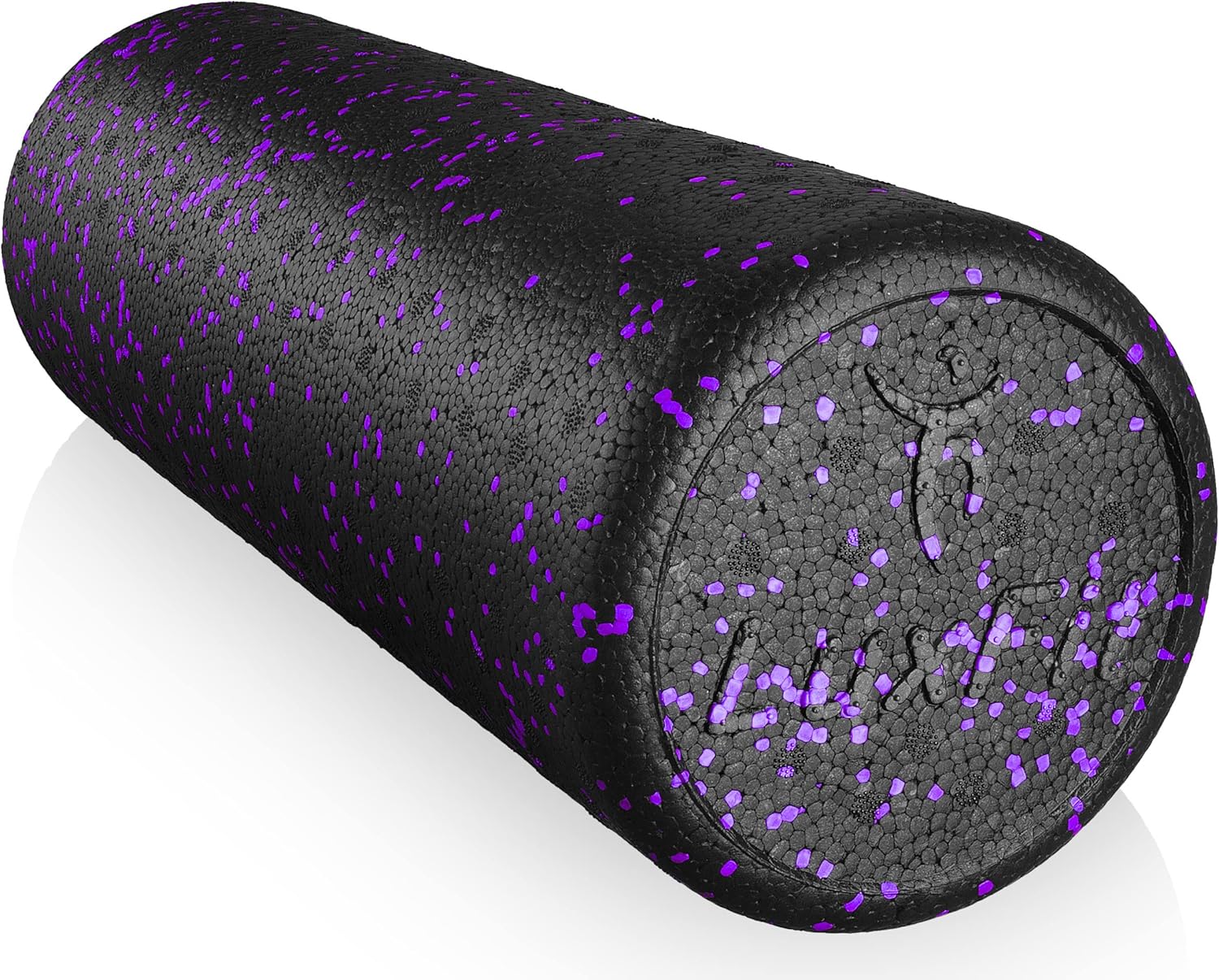
Best for: Beginners who struggle with balance or feel unstable on shorter rollers.
Density: Medium
Length: 36 inches
Price: ~£20–£30
The 36-inch length of the LuxFit Premium roller provides significant stability advantages for beginners. Longer rollers reduce wobble and make it easier to maintain balance, which is particularly helpful when you're learning proper technique and building confidence.
Physio view: Huge beginner advantage that most lists forget. Stability reduces fear and allows focus on technique rather than balance.
⭐ Yes4All Soft Foam Roller – Best Budget Beginner Roller
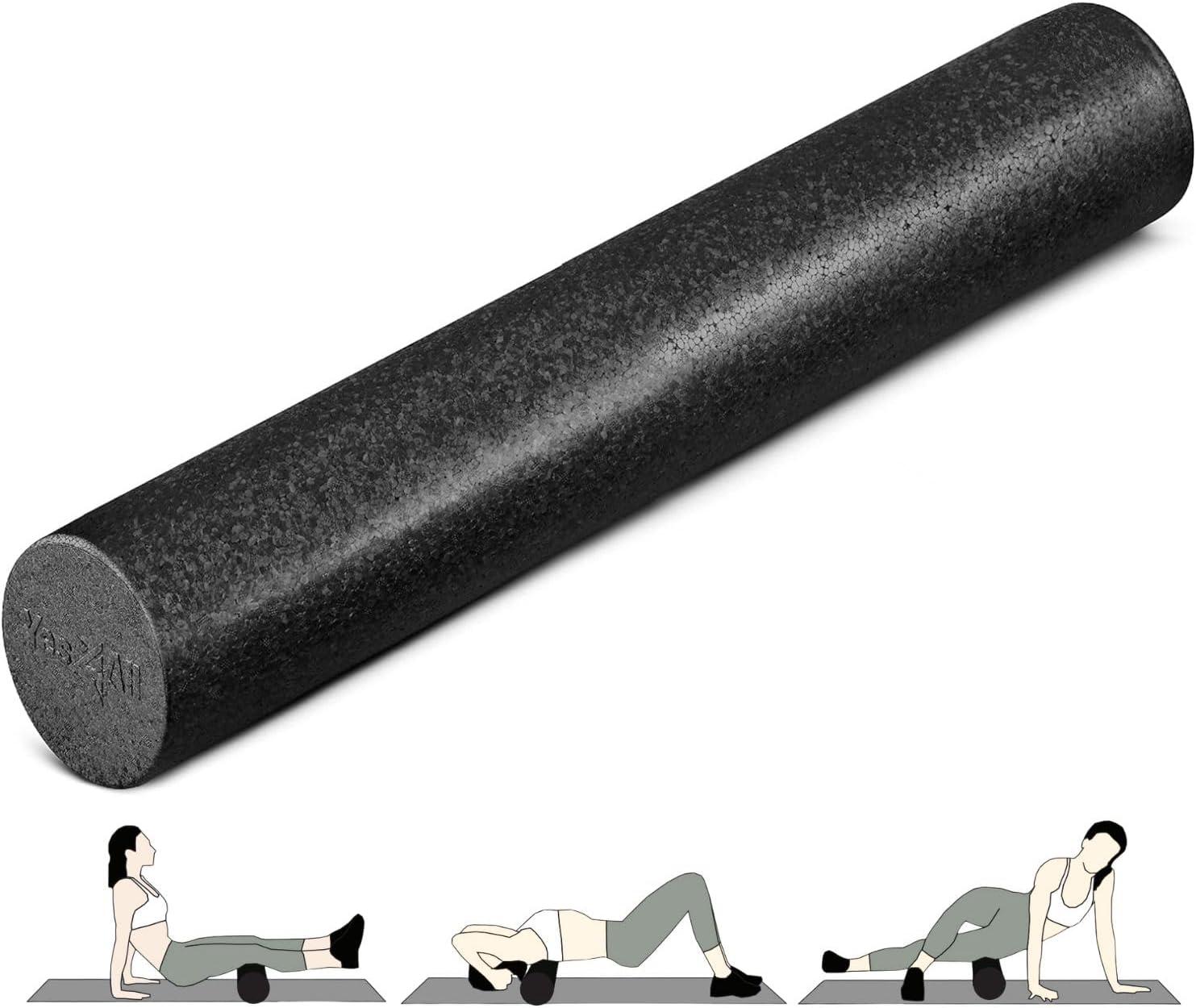
Best for: Budget-conscious beginners wanting a gentle introduction.
Density: Soft
Length: 36 inches
Price: ~£15–£25
The Yes4All soft roller offers a low-friction entry point for hesitant beginners. The affordable price reduces buying anxiety, while the genuinely soft density ensures a comfortable first experience that encourages continued use.
⭐ Half Foam Roller – Best for Maximum Control
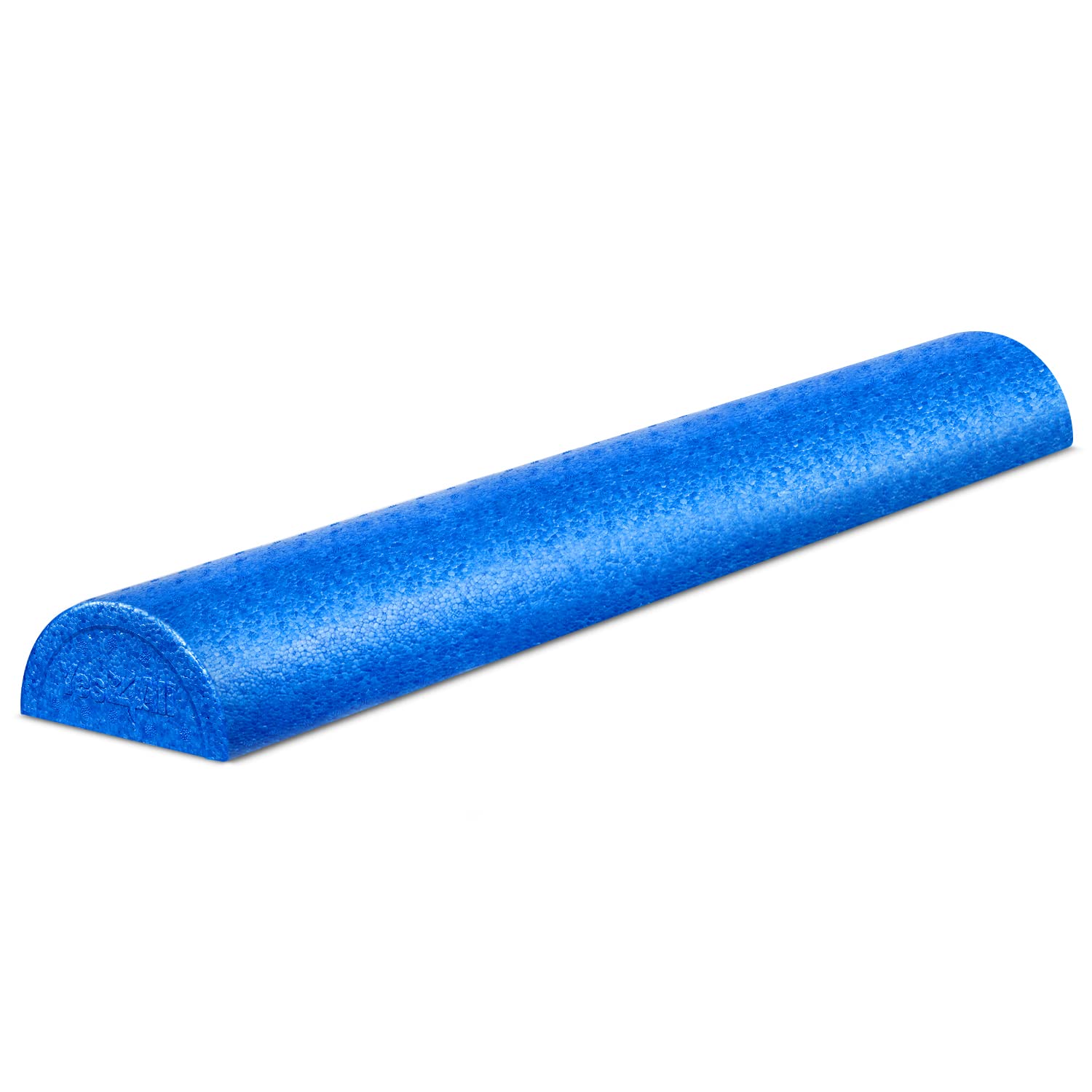
Best for: Nervous first-time users, rehab settings, and balance work.
Design: Flat base prevents rolling away
Price: ~£10–£20
Half rollers provide maximum stability because the flat side prevents any rolling movement. This makes them ideal for beginners who feel anxious about lying on a cylinder, as well as for balance exercises and pelvic tilting work that doesn't require full-body rolling.
Physio view: Clinically strong inclusion. Amazing for rehab, balance work, and nervous first-time users who need maximum control.
⭐ Gaiam Restore Foam Roller – Best for Gentle Recovery
Best for: Gentle recovery, yoga practitioners, and people wanting a calm, restorative feel.
Density: Soft
Length: 36 inches
Price: ~£25–£35
The Gaiam Restore roller has a softer, more forgiving feel that signals gentle usage rather than intense recovery. This makes it particularly appealing to beginners who associate foam rolling with discomfort or who come from yoga or mindfulness backgrounds where gentler approaches feel more familiar.
Physio view: Great positioning — yoga/physio crossover brand that signals calm usage. Excellent for beginners who want a restorative rather than aggressive experience.
⭐ TriggerPoint CORE Roller – Best Beginner-to-Intermediate Progression
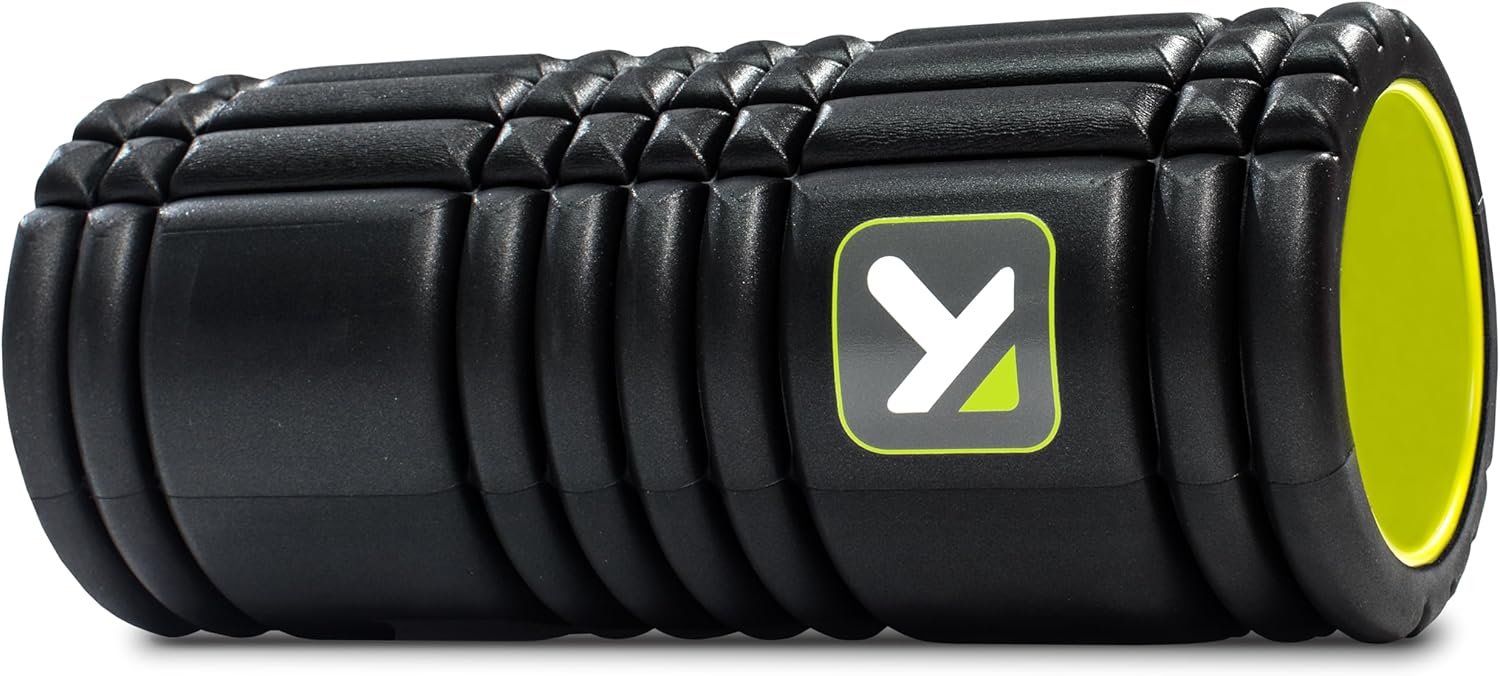
Best for: Beginners who want room to grow without replacing the roller quickly.
Density: Medium
Length: 13 inches (portable)
Price: ~£30–£40
The TriggerPoint CORE is not as aggressive as the GRID version, making it suitable for beginners who want a textured option without the intensity. The shorter length makes it portable and easier to control, while the medium density allows for progression as tolerance improves.
Physio view: Smart lifecycle pick. Allows growth without needing to replace the roller quickly, which appeals to beginners thinking long-term.
When To See a Physiotherapist
While foam rolling can be a helpful self-management tool, it is not a substitute for professional assessment — particularly if you have persistent pain, unexplained symptoms, or are recovering from injury.
A physiotherapist can:
- Assess whether foam rolling is appropriate for your specific condition
- Teach proper technique and body positioning
- Identify which muscles to target and which to avoid
- Integrate rolling into a broader recovery plan that may include massage guns, exercise, and manual therapy
If you're unsure where to start or symptoms persist, find a physiotherapist for personalised guidance.
Frequently Asked Questions
Is foam rolling safe for beginners?
Yes, when started with a soft to medium-density roller and used gently. Begin with shorter sessions (5–10 minutes) and focus on muscle bellies rather than joints or bony areas. If you experience sharp pain or symptoms worsen, stop and consult a physiotherapist.
Should beginners use soft rollers?
Yes — soft to medium-density rollers are ideal for beginners. They allow gradual adaptation to pressure, reduce muscle guarding, and encourage consistency. You can always progress to a firmer roller later if needed.
How long should beginners foam roll?
Start with 5–10 minutes per session, focusing on 2–3 muscle groups. Move slowly (30–60 seconds per tight spot) and keep breathing normally. Consistency (3–4 times per week) matters more than duration.
Can foam rolling cause injury?
When used correctly with appropriate pressure, foam rolling is generally safe. However, excessive force, rolling too fast, or targeting joints can cause bruising or muscle irritation. Always stay within mild to moderate discomfort and avoid sharp pain.
What density is best for beginners?
Soft to medium density is best for beginners. This provides enough feedback to release tight muscles without feeling aggressive or overwhelming. Avoid firm or heavily textured rollers until you've built tolerance and confidence.