Best Knee Brace for Meniscus Tear
Physiotherapist-reviewed braces for meniscus tear recovery — stability, pain relief, and safe return to activity
A meniscus tear is one of the most common knee injuries — and one of the most frustrating. If your knee clicks, catches, swells, or feels unstable when twisting, the right support can make a real difference.
The meniscus is a C-shaped cartilage that cushions and stabilises your knee joint. When torn — often from twisting, pivoting, or age-related degeneration — it can cause pain along the joint line, swelling, clicking or catching sensations, and instability or giving way.
Choosing the best knee brace for a meniscus tear depends on one key factor: how unstable your knee feels.
A brace won't heal cartilage, but it can reduce rotational strain, improve joint alignment, limit painful movement, and boost confidence during walking and rehab. Because the meniscus helps control rotational movement, stability becomes crucial during recovery.
⚠️ This guide is educational and not a replacement for medical diagnosis. If your knee is locking, severely unstable, or acutely swollen, seek assessment from a qualified physiotherapist or GP.
Quick Recommendation Summary
| Product | Type | Best Use | Stability |
|---|---|---|---|
| NEENCA Professional | Hinged | Moderate–Severe tears | 🔒 High |
| Shock Doctor Bilateral | Hinged | Sports & dynamic movement | 🔒 High |
| Mueller Hg80 | Hinged | Everyday stability | 🔒 High |
| Bauerfeind GenuTrain | Sleeve | Swelling & comfort | 🟡 Low–Moderate |
| McDavid Knee Brace | Sleeve | Light everyday use | 🟡 Low–Moderate |
| McDavid Elite Elastic | Sleeve | Budget compression | 🟡 Low |
Quick Comparison Table
| Brace Type | Stability Level | Best For | Swelling Control | Everyday Comfort |
|---|---|---|---|---|
| Hinged Brace | High | Moderate–Severe tears | Moderate | Medium |
| Premium Stabilising Brace | High | Sport & instability | Moderate | Medium |
| Compression Sleeve | Low–Moderate | Mild tears & swelling | High | High |
| Lightweight Support | Moderate | Daily activity | Moderate | High |
🥇 Best Overall Hinged Brace for Meniscus Tear: NEENCA Professional Knee Brace
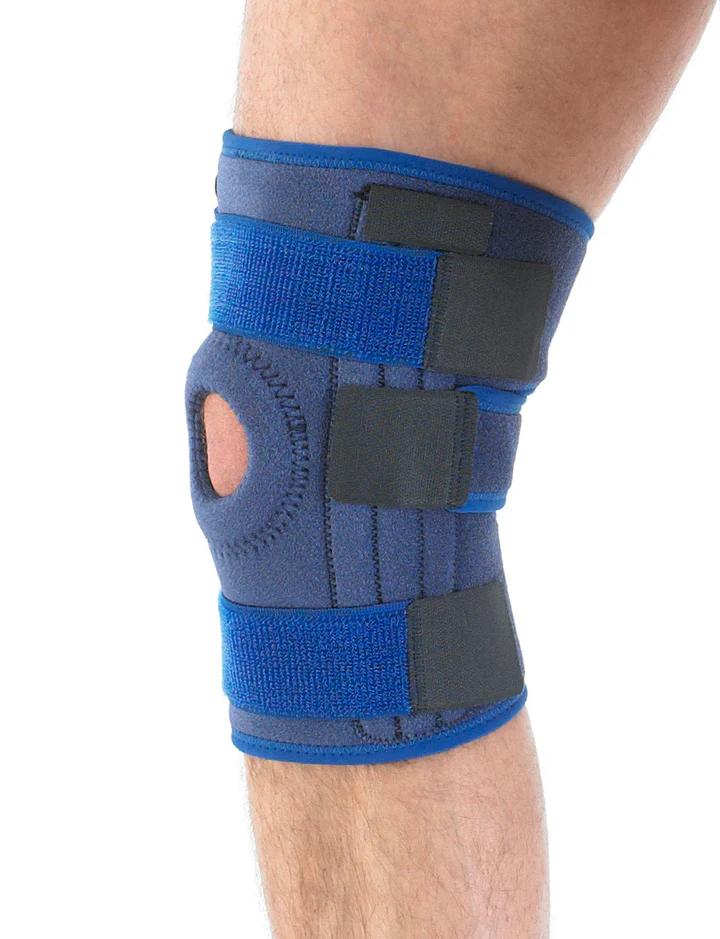
Best For: Moderate to severe meniscus instability
Stability Level: 🔒 High
Pros
- X-strap patented fit system improves joint alignment
- Strong lateral support and rotation control
- Highly rated for pain relief and daily use
Cons
- Slightly bulkier than basic sleeves
Physio Verdict: A top-rated all-purpose hinged brace that balances stability, comfort and adjustability, well-suited to moderate meniscus tears, post-rehab walks and sports rehab.
Ideal User: Active adults needing robust support.
🏋️ Premium Sport-Ready Hinged Brace: Shock Doctor Adults Bilateral Knee Supports
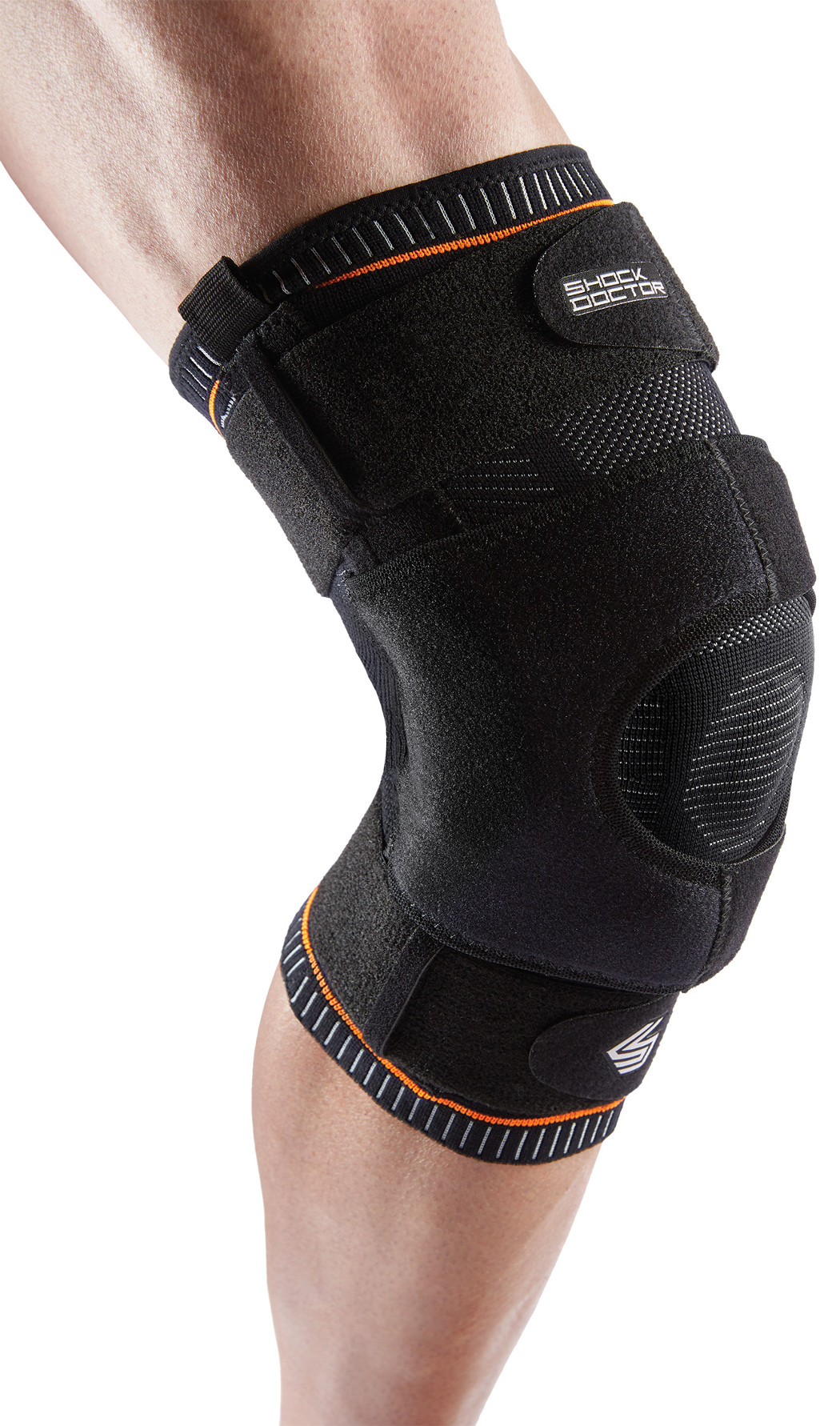
Best For: Sports, high-load activities
Stability Level: 🔒 High
Pros
- Bilateral hinges for superior rotation control
- Padded, ergonomic design comfortable during dynamic movement
- Excellent build quality
Cons
- More technical (fits best with correct sizing)
Physio Verdict: Great choice for athletes or physically demanding jobs where knee pivoting increases meniscus load.
Ideal User: Runners, gym-goers, football players.
💪 Value Hard-Working Hinged Brace: Mueller Hg80 Hinged Knee Brace
Best For: Everyday stability and support
Stability Level: 🔒 High
Pros
- Metal stabilizers and adjustable straps
- Trusted performance at a fair price
- Easy to wear under clothing
Cons
- Slightly firmer feel for sensitive users
Physio Verdict: A solid choice if you need durable, everyday hinged support without premium pricing.
Ideal User: People returning to activity after moderate meniscus injury.
🦵 Best Compression Brace (Swelling & Mild Pain): Bauerfeind GenuTrain Knee Support
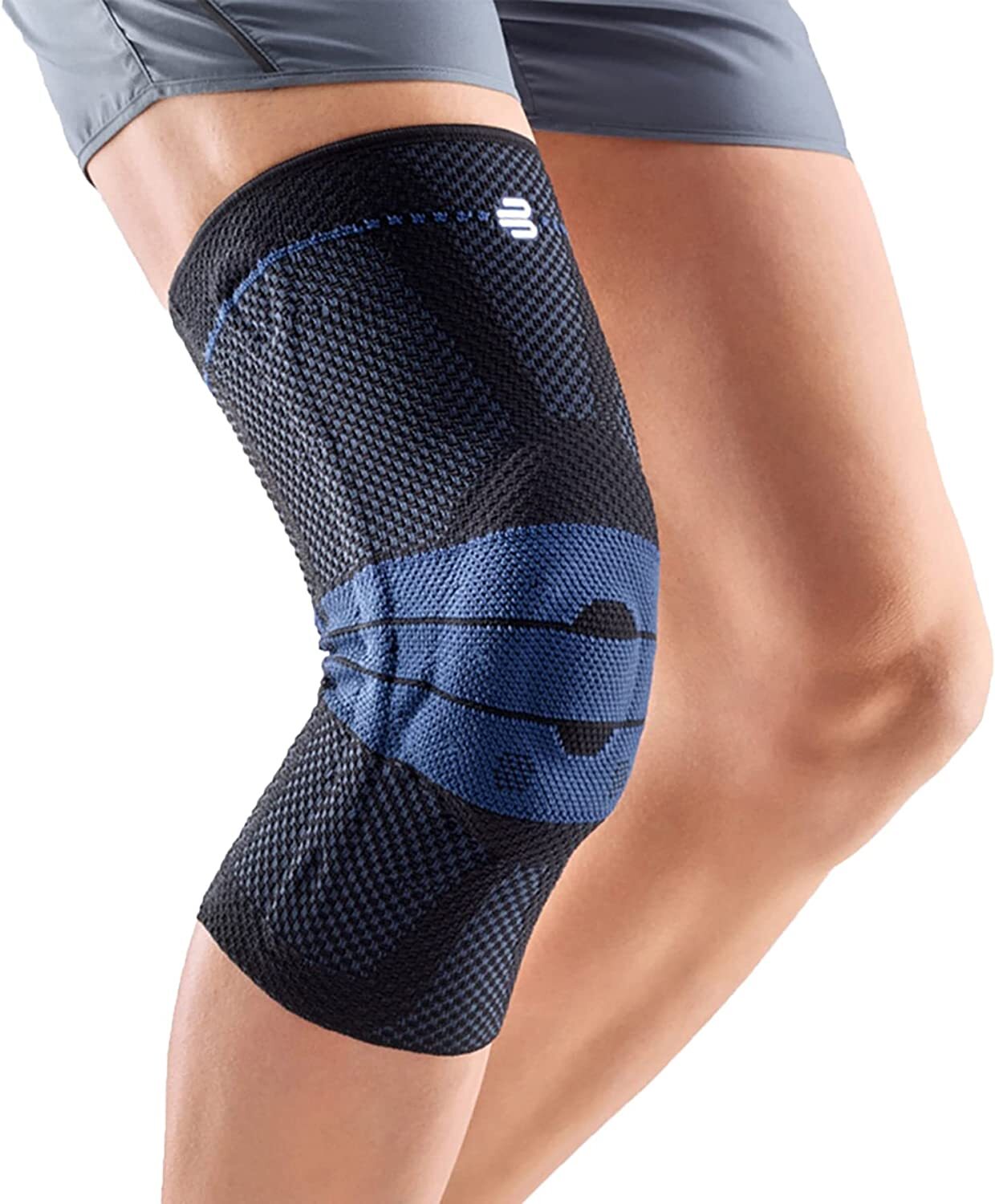
Best For: Mild meniscus pain and swelling control
Stability Level: 🟡 Low–Moderate
Pros
- Strong medical-grade compression
- Very breathable for all-day wear
- Great for walking, swelling management and proprioception
Cons
- Provides much less rotational control
Physio Verdict: Excellent compression sleeve when pain/swelling is your main issue and your knee doesn't feel unstable.
Ideal User: Office workers, light activity users, early injury stage.
👣 Everyday Stability Sleeve: McDavid Knee Brace
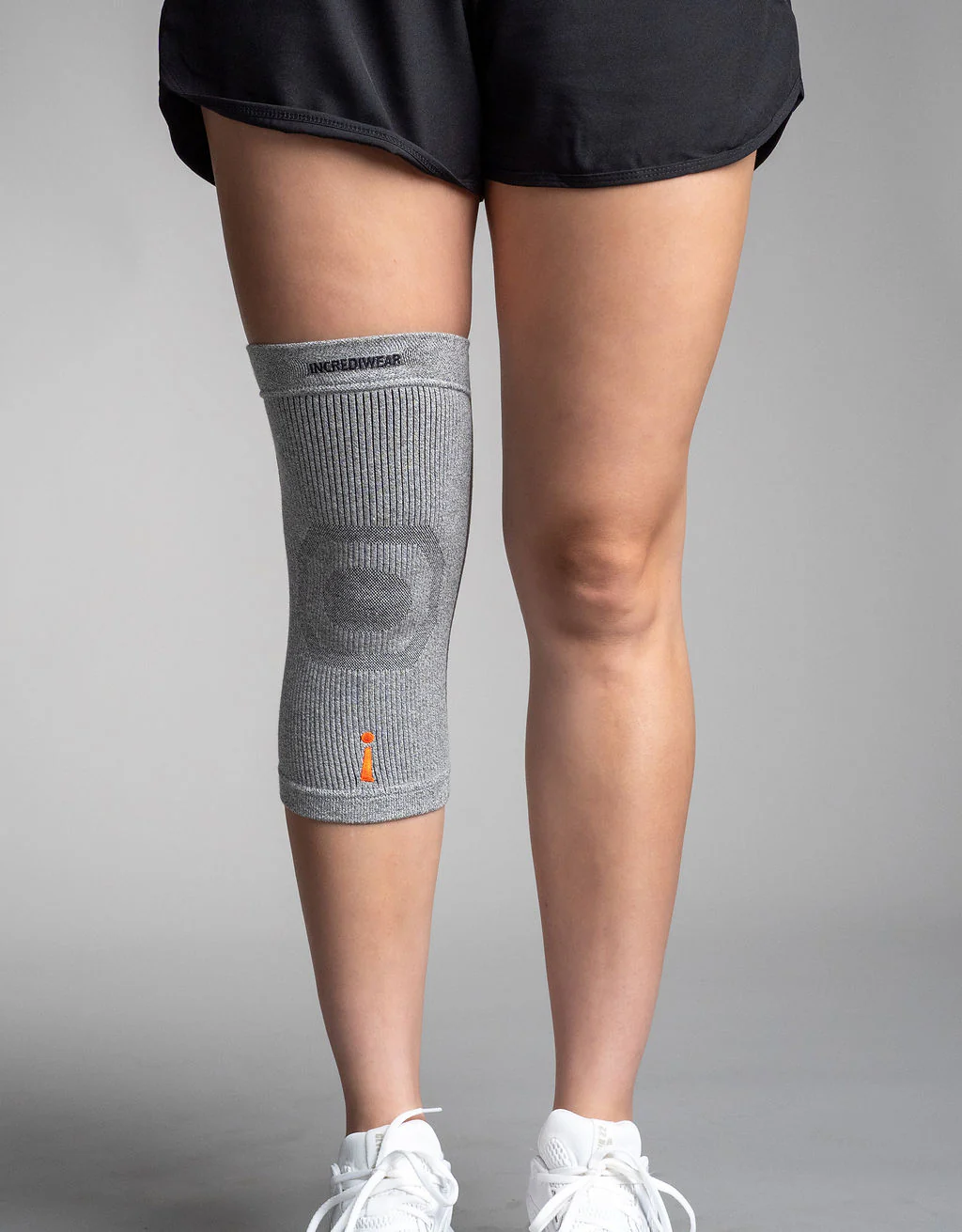
Best For: Mild support + daily comfort
Stability Level: 🟡 Low–Moderate
Pros
- Supportive but flexible
- Comfortable under clothing
- Trusted brand for soft support
Cons
- Not as supportive as hinged models
Physio Verdict: An approachable compression option that still provides a sense of support without rigidity.
Ideal User: Mild pain sufferers, recovery walkers.
💡 Budget Compression Support: McDavid Elite Engineered Elastic Knee Brace
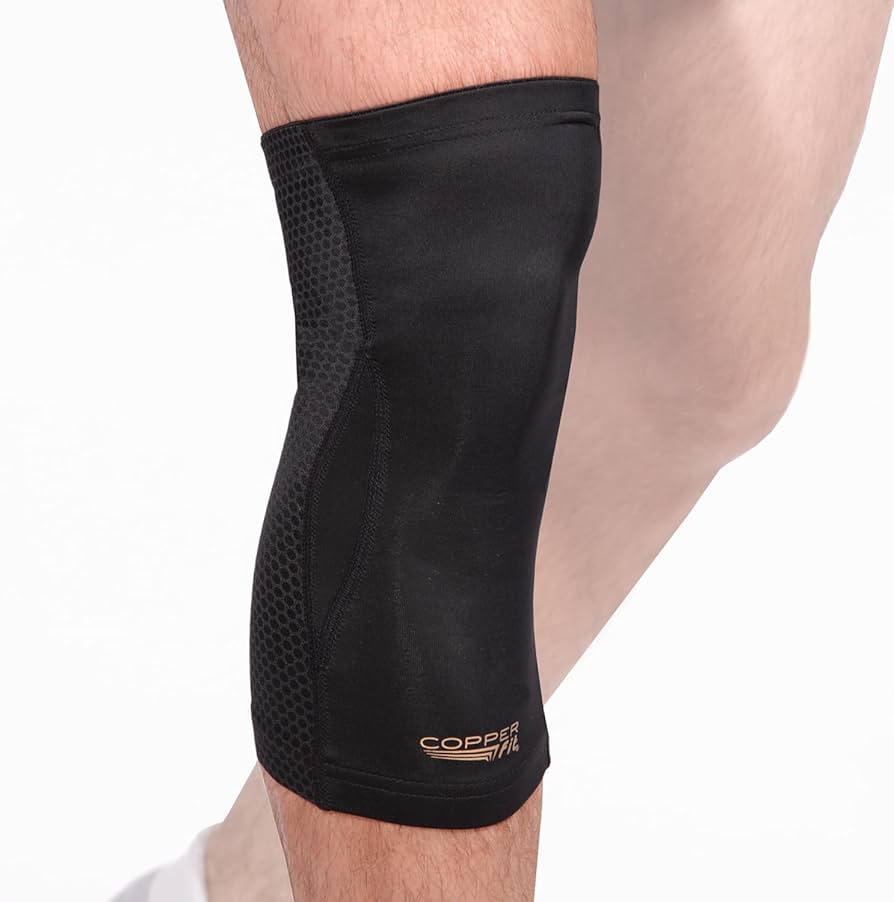
Best For: Affordable everyday compression
Stability Level: 🟡 Low
Pros
- Stretch elastic fit, breathable
- Great basic support and swelling control
- Good price point
Cons
- Lowest structural support in this list
Physio Verdict: Solid entry-level sleeve that gives proprioceptive support. Best paired with strengthening exercises.
Symptoms That Suggest Meniscus vs ACL
Many users confuse meniscus tears with ACL injuries. While both can cause knee instability, they have distinct characteristics:
Meniscus Tear Signs:
- Pain along the joint line
- Clicking or catching sensation
- Swelling that develops gradually
- Pain worsens with twisting
ACL Injury Signs:
- Immediate "pop" sound
- Rapid swelling (within hours)
- Feeling of knee "giving out"
- Difficulty bearing weight immediately
If you're unsure which injury you have, consult a physiotherapist for proper diagnosis before choosing a brace.
What Type of Knee Brace Is Best for a Meniscus Tear?
Hinged Knee Braces for Meniscus Tear
Hinged braces like the NEENCA Professional, Shock Doctor Bilateral, and Mueller Hg80 use metal or reinforced lateral supports to reduce rotational stress — the main aggravator of meniscus injuries.
Best for:
- Moderate to severe meniscus tears
- Post-surgery support
- Noticeable instability
- Athletes returning to pivoting sports
Stability Level: 🔒 High
Physio insight: If your knee feels like it may "give way" during twisting or stairs, a hinged knee brace for meniscus injuries offers superior protection. Brands like DonJoy and Shock Doctor are well-regarded for their rotational control.
Compression Sleeves for Meniscus Injury
Compression sleeves like the Bauerfeind GenuTrain and McDavid options improve proprioception (joint awareness) and reduce swelling, but they do not significantly limit rotation.
Best for:
- Mild tears
- Swelling control
- Everyday walking
- Early-stage pain
Stability Level: 🟡 Low–Moderate
Physio insight: Ideal if your tear is small and your main issue is swelling rather than instability. Bauerfeind is particularly known for medical-grade compression quality.
Patella Straps (When They Don't Help)
Patella straps are designed for patellar tendon pain, not cartilage injuries.
They:
- Do NOT stabilise the joint
- Do NOT control rotation
- Do NOT offload meniscus tissue
Avoid using these for a meniscus tear knee support solution.
Hinged vs Compression Brace for Meniscus Tears: Meniscus Injury Brace Comparison
| Feature | Hinged Brace | Compression Sleeve |
|---|---|---|
| Rotational Control | High | Low |
| Stability | High | Low–Moderate |
| Swelling Control | Moderate | High |
| Sport Ready | Yes | Limited |
| Everyday Comfort | Moderate | High |
Meniscus Tear Rehab: Where Bracing Fits
Understanding where knee support for meniscus tear fits into your recovery timeline helps you choose the right brace at the right time.
Early Phase (Weeks 1-4)
Focus: Pain and swelling management. A compression sleeve or lightweight support brace after meniscus surgery can help reduce swelling and provide proprioceptive feedback. This is when brands like Bauerfeind excel.
Strengthening Phase (Weeks 4-12)
Focus: Building strength while protecting the joint. A hinged brace for meniscus injury provides rotational control during exercises and walking. This is when NEENCA or Mueller hinged braces become valuable.
Return to Sport Phase (12+ weeks)
Focus: Safe return to pivoting and dynamic movement. Premium stabilising braces like Shock Doctor Bilateral or DonJoy models offer maximum protection during sport-specific activities.
Remember: Bracing is one component of rehab. Combine brace use with physiotherapy exercises, load management, and gradual return to activity.
When to Upgrade to a Hinged Brace for Meniscus Tear
Consider upgrading if:
- Your knee gives way
- Pain occurs when twisting
- You've had meniscus surgery
- Your physio recommends rotational control
Do Knee Braces Actually Help a Meniscus Tear? Knee Support for Meniscus Injury Explained
Yes — but with limits.
They do NOT:
- Heal cartilage
- Repair torn tissue
They DO:
- Reduce rotational strain
- Improve joint alignment
- Provide compression
- Increase confidence during loading
Evidence supports bracing as part of a broader rehab plan — including strengthening, mobility, and load management.
When Not to Use a Knee Brace
Avoid relying solely on a brace if you have:
- A locking knee
- Severe instability
- A suspected displaced tear
- Significant swelling after trauma
In these cases, consult a physiotherapist for assessment. Braces are adjuncts, not replacements for proper diagnosis.
How to Choose the Right Size: Brace After Meniscus Surgery
1️⃣ Measure Correctly
Measure around the mid-patella (centre of kneecap) while standing.
2️⃣ Fit Should Be:
- Snug but not cutting circulation
- No numbness or tingling
- No slipping during walking
3️⃣ Common Mistakes
- Buying too small for "extra compression"
- Wearing all day without strengthening
- Using hinged brace for minor swelling only
Frequently Asked Questions
Can I walk with a meniscus tear?
Yes, most mild to moderate tears allow walking, though pain may increase with twisting. A knee brace for meniscus tear can help reduce discomfort during walking.
Should I wear a knee brace all day for meniscus tear?
Only during activity or painful periods. Over-reliance may reduce muscle engagement. For meniscus injury brace use, focus on active periods rather than all-day wear.
Do I need a hinged brace after meniscus surgery?
If instability or post-surgery — likely yes. A brace after meniscus surgery often requires hinged support for rotational control. If mild pain only — a compression sleeve may be enough.
Final Physio Recommendation
The best knee brace for meniscus tear depends on one key factor: instability level.
- Mild swelling → Compression sleeve
- Moderate pain + instability → Structured support
- Post-surgery / sport return → Hinged brace
Use bracing as part of a structured recovery plan — not as a substitute for rehab.
If unsure, consult a physiotherapist before purchasing.
Need Professional Guidance?
A qualified physiotherapist can help you choose the right knee brace for your meniscus tear and develop a recovery plan that fits your needs.