7 Best Knee Braces for Arthritis (2026) – What Actually Helps Pain
Physio-informed picks for arthritic knees — stability, comfort, and safer movement
Here are the best knee braces for arthritis to reduce pain, improve stability, and make walking and daily activity feel easier.
Comparison: knee braces at a glance
Tip: swipe horizontally on small screens — Type is hidden here; see full table on larger screens.
| Brace name | Best for | Type | Support | Price | Rating | Buy |
|---|---|---|---|---|---|---|
| Our pick Z1 K2 Comfortline | Everyday arthritis support (comfort + stability) | Support wrap | Medium–High | Varies | 4.7 / 5 | Buy |
| GHORTHOUD | Arthritis support with a “brace-like” feel | Unloader-style | High | Varies | 4.8 / 5 | Buy |
| Copper Compression | Mild arthritis & swelling | Compression | Low–Medium | ~£15–£30 | 4.3 / 5 | Buy |
| Shock Doctor Ultra Hinged | Active individuals with arthritis | Hinged | High | ~£40–£70 | 4.5 / 5 | Buy |
| NEENCA | Elderly / daily comfort (secure, easy-to-wear support) | Wrap stabiliser | Medium–High | Varies | 4.6 / 5 | Buy |
| Neo G Open Knee Support | Patellofemoral arthritis | Adjustable open | Medium | ~£35–£55 | 4.4 / 5 | Buy |
| Zensah Knee Support Sleeve | Arthritis comfort with a focus on fit (including plus sizes) | Compression | Low | ~£20–£40 | 4.2 / 5 | Buy |
Best Overall for Arthritis: Z1 K2 Comfortline
★★★★★(4.7 / 5)
If your knee feels painful, stiff, or a bit unstable with day-to-day walking, you want a brace that gives supportive compression and comfort without feeling overly bulky. The Z1 K2 Comfortline is our top overall pick for arthritic knees because it aims for that balance: everyday wearability first, with enough structure to feel reassuring.
If you’re looking for a more rigid, load-shifting style of brace, the Össur Unloader One is another popular option in this category.
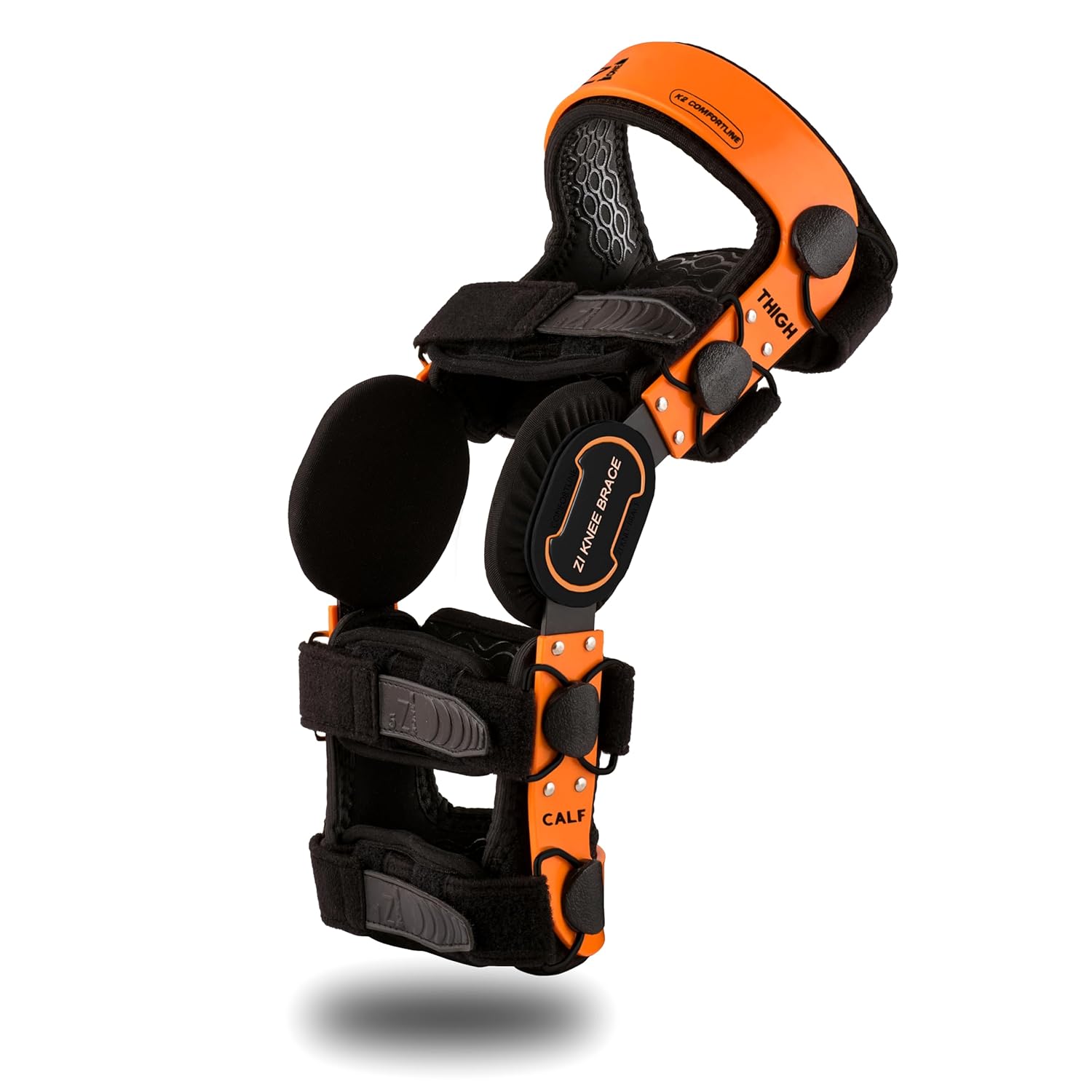
Best for: Everyday arthritis support (comfort + stability)
Support level: Medium–High
Price: Varies by retailer
Key benefits:
- Comfort-first support for daily wear
- Supportive compression to reduce “ache” during movement
- Wide range of sizes so you can get a proper fit
- Multiple sizes help accommodate different leg shapes and measurements
- Simple to put on and use consistently
Pros
- Easy everyday option
- Good balance of comfort and reassurance
Cons
- If you need maximum stability, a rigid hinged or unloader brace may suit better
Best for walking: This is the type of support that can make walking feel “safer” by reducing symptoms, improving comfort, and giving gentle stability during longer walks and day-to-day errands.
Physio commentary: Prioritise a brace you’ll actually wear. Comfort and compliance often beat “maximum rigidity” for everyday arthritis.
Best Unloader Brace (Severe Pain): GHORTHOUD
★★★★★(4.8 / 5)
If you want a more structured, brace-style feel than a simple sleeve, GHORTHOUD is a strong second pick. It’s designed to give a sense of stability around the knee during walking and day-to-day movement, which can be helpful when arthritis makes the joint feel unreliable.
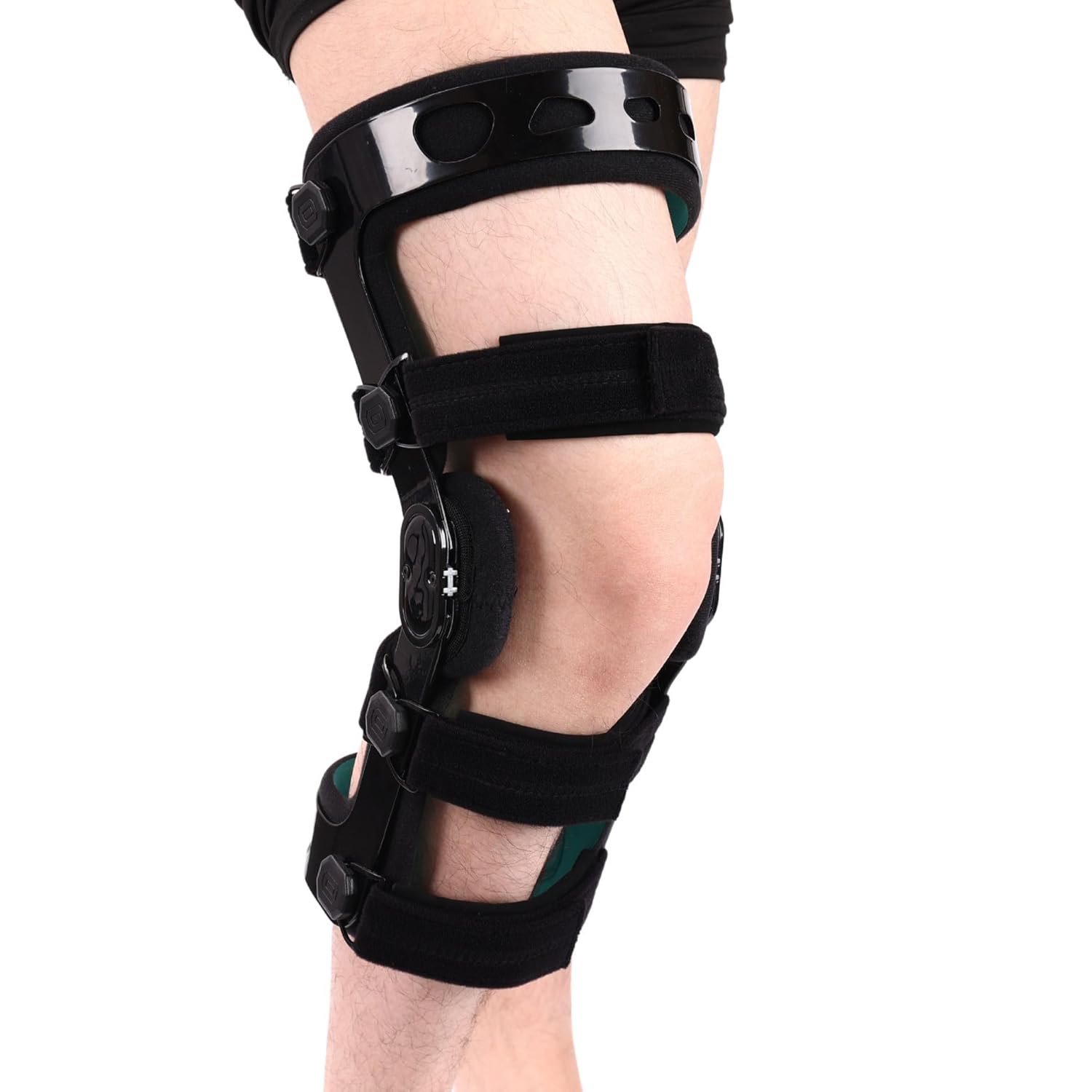
Best for: Arthritis support with a “brace-like” feel
Support level: High
Price: Varies by retailer
Key benefits:
- More structured support than a basic sleeve
- Adjustable straps to fine-tune fit
- Can feel more stable during longer walks
Pros
- Supportive feel for day-to-day use
- Adjustable and easy to tighten/loosen
Cons
- Bulkier than a sleeve
- Not as precise as a true medical-grade unloader brace
Physio commentary: A good step up if you need more support than a sleeve — but if you have one-sided “bone-on-bone” OA, a fitted unloader brace may still be the best tool.
Best Compression Sleeve (Mild Pain): Copper Compression
★★★★☆(4.3 / 5)
Compression sleeves and supports provide gentle compression, warmth, and proprioceptive feedback without the bulk of hinged or unloader braces. These are ideal for mild arthritis, early-stage OA, or flare days when you need comfort without heavy support.
Compression sleeves work by applying consistent pressure around the knee, which can help reduce swelling, provide warmth, and improve proprioception (your body's awareness of joint position). They're particularly useful for people with early arthritis who want to explore knee support without a significant investment, or for those who need a lightweight option for daily activities.
However, compression sleeves provide minimal structural support and won't help with instability or giving-way. They're best used as a comfort tool rather than a stabiliser. If your arthritis causes significant instability, consider upgrading to a hinged brace for better support.
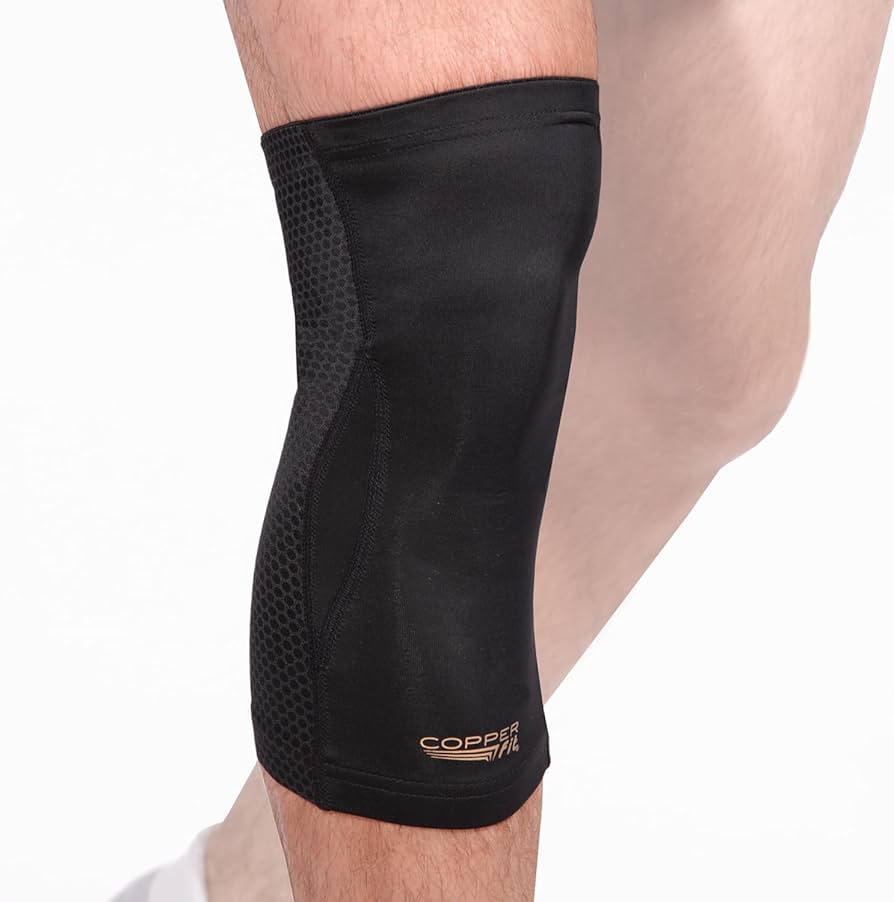
Best for: Mild arthritis & swelling
Support level: Low–Medium
Price: ~£15–£30
Pros
- Budget-friendly
- Easy to wear daily
Cons
- Limited structural support
Physio commentary: Helpful for comfort, not instability.
Best Hinged Brace: Shock Doctor Ultra Hinged
★★★★★(4.5 / 5)
If you want a brace that feels noticeably supportive (especially for longer walks, standing work, or when your knee feels “wobbly”), a strong hinged option is usually the best step up. The Shock Doctor Ultra Hinged is a reliable strong-support brace with wrap-style straps and side hinges to limit unwanted movement while still allowing comfortable walking.
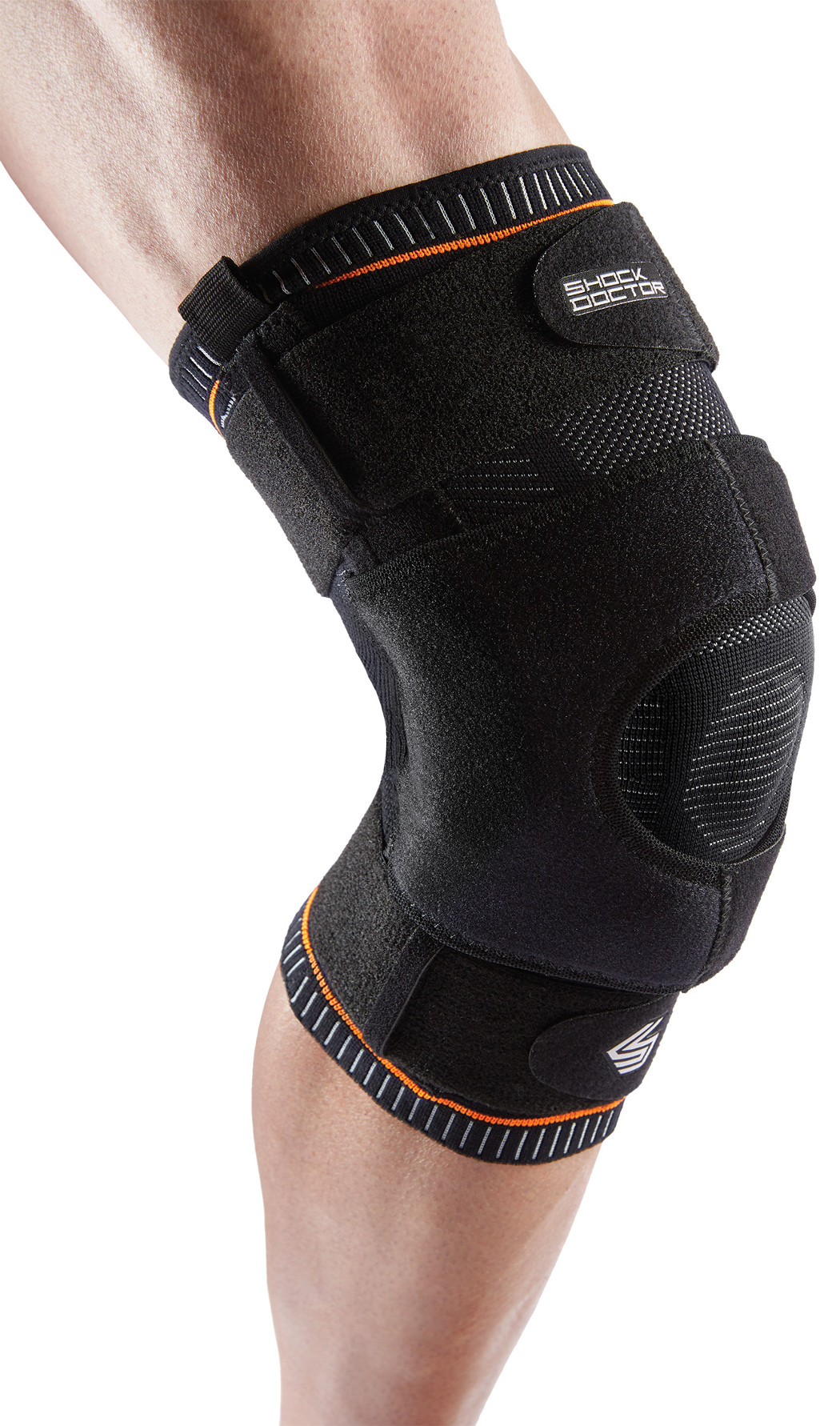
Best for: Active individuals with arthritis
Support level: High
Price: ~£40–£70
Pros
- Strong lateral support
- Affordable compared to premium hinges
Cons
- Slightly bulky
Physio commentary: Good choice for arthritis sufferers who still train or walk frequently.
Best for Elderly/Daily Comfort: NEENCA
★★★★★(4.6 / 5)
For older adults and anyone who wants dependable day‑to‑day comfort, NEENCA is a practical pick: it combines gentle compression with a more structured, wrap‑style fit so everyday walking and household tasks feel a bit steadier. It also comes in a broad size range, which helps if standard sleeves feel too tight or roll down.
The key is getting the sizing right and avoiding a brace that rolls, pinches behind the knee, or slips as you walk. A correct fit should feel secure but not numbness‑tight, and you should be able to bend your knee comfortably.
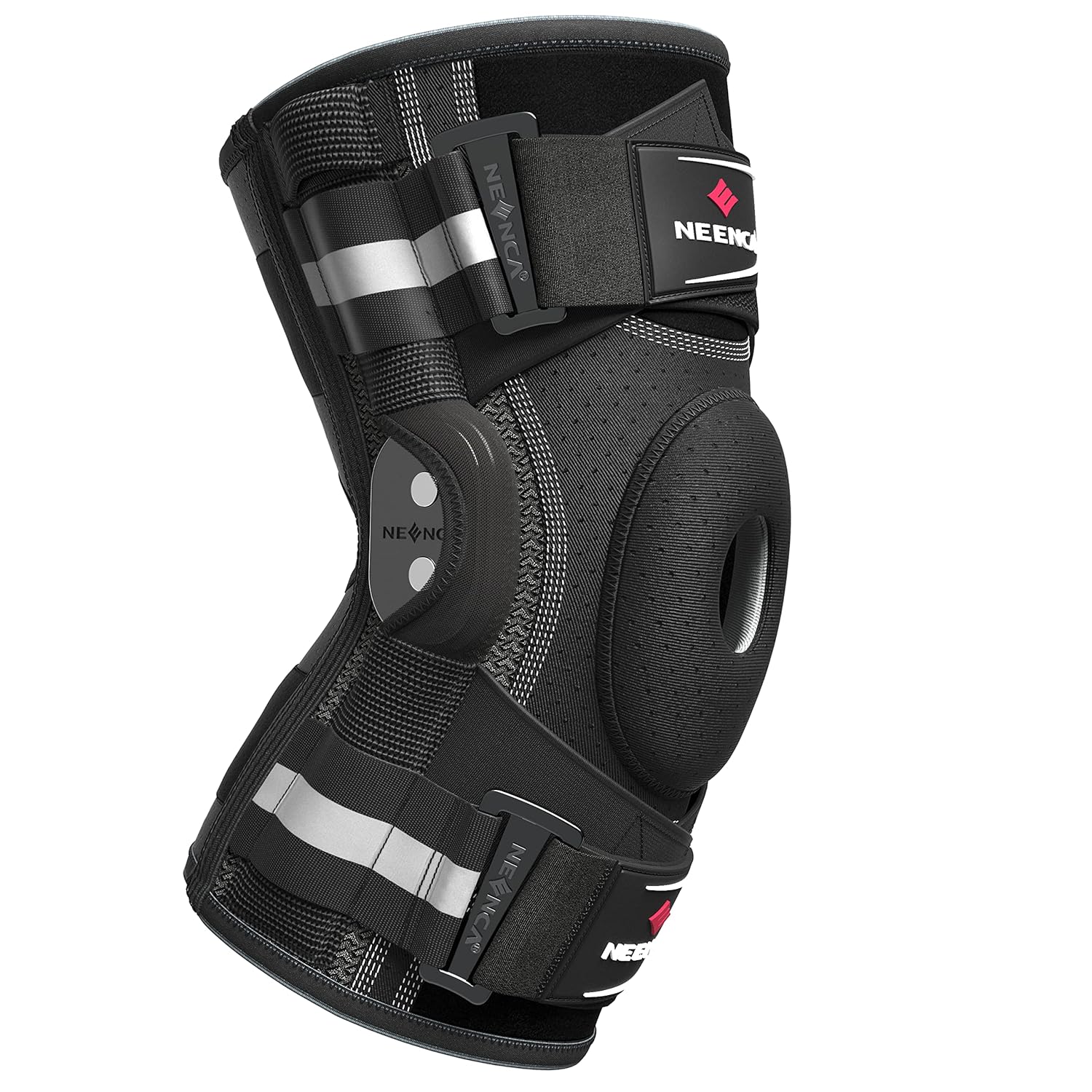
Best for: Elderly / daily comfort (secure, easy-to-wear support)
Support level: Medium–High
Price: Varies by retailer
Key benefits:
- Supportive feel for walking and daily tasks
- Broad size range to help dial in fit
- Helps reduce “give-way” confidence issues for some people
Pros
- More structured than a basic sleeve
- Good everyday option when sizing is a priority
Cons
- Fit can vary—measure carefully and follow the size chart
- May feel warm or bulky under tight trousers
Physio commentary: For daily wear, “best” is usually the brace that stays put. Prioritise accurate measurement and comfort behind the knee so you can wear it consistently.
Best Adjustable Knee Brace for Arthritis: Neo G Open Knee Support
★★★★☆(4.4 / 5)
If your knee size fluctuates (swelling), you’re between sizes, or you simply prefer a brace you can fine‑tune throughout the day, an adjustable support is the easiest to live with. The Neo G Open Knee Support uses adjustable straps and an open‑patella design so you can dial in compression and kneecap tracking without the tight “sock-like” feel of a sleeve.
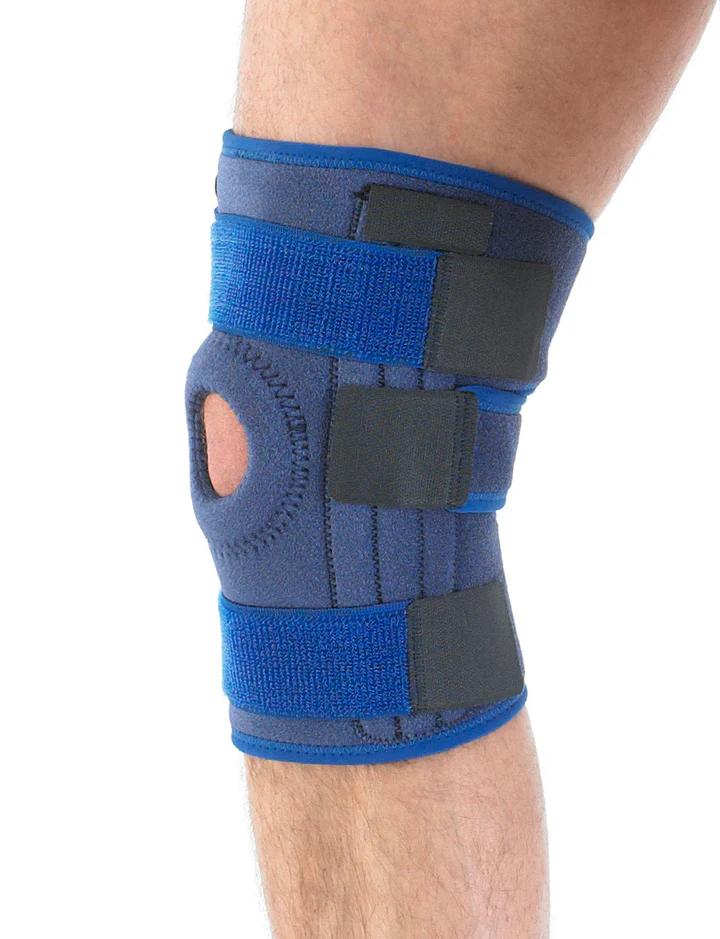
Best for: Patellofemoral arthritis
Support level: Medium
Price: ~£35–£55
Pros
- Open patella improves kneecap tracking
- Adjustable compression
Cons
- Less effective for tibiofemoral OA
Physio commentary: Useful when arthritis pain is centred around the kneecap.
Best Knee Brace for Arthritis and Plus Size: Zensah Knee Support Sleeve
★★★★☆(4.2 / 5)
If you want a sleeve-style option that’s easy to live with day to day—and you need a fit that works for larger thighs and calves—check the size chart carefully and prioritise a secure but comfortable circumference. The Zensah sleeve is a durable, low-fuss compression pick for mild symptoms and flare days; it won’t replace a hinged brace for instability, but it can be a good comfort layer when sizing is the priority.
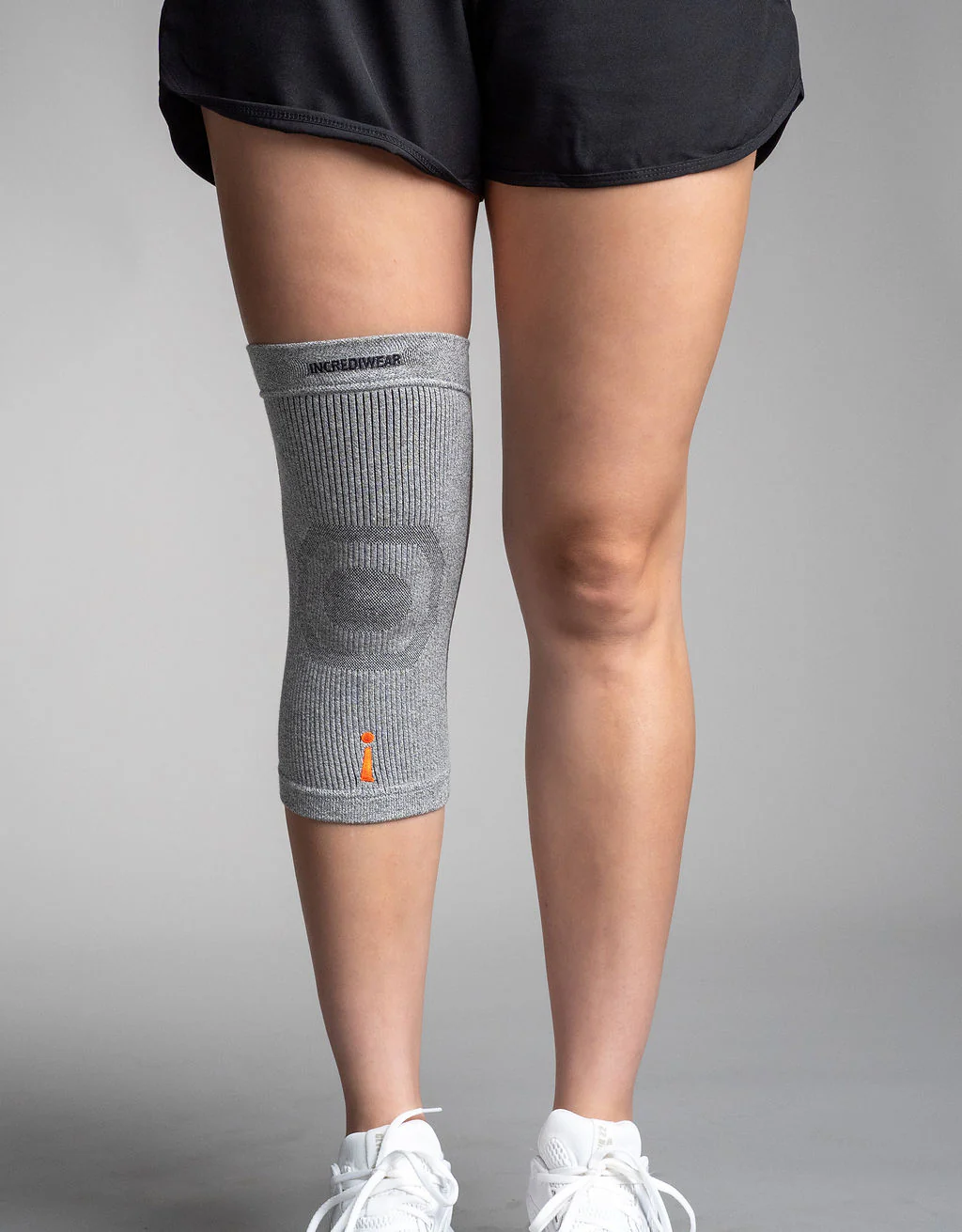
Best for: Arthritis comfort with a focus on fit (including plus sizes)
Support level: Low
Price: ~£20–£40
Pros
- Lightweight
- Comfortable for long wear
Cons
- Minimal joint control
Physio commentary: Best as a comfort tool rather than a stabiliser.
🏆 Best Overall Knee Brace for Arthritis
Z1 K2 Comfortline — a comfort-first option designed for everyday arthritis support.
Read full review →Who This Guide Is For
This guide is for:
- Adults with knee osteoarthritis
- People struggling with instability
- Walkers / active adults
- Those trying to delay surgery
⭐ What Is the Best Knee Brace for Arthritis?
The best knee brace for arthritis is usually a hinged or unloader brace that helps redistribute joint load while improving stability.
Mild to moderate arthritis: A well-fitted compression sleeve may be enough to reduce pain and swelling during daily activity.
Moderate to severe arthritis or instability: Hinged or unloader braces provide more structured support and better joint protection.
The "best" option ultimately depends on arthritis severity, symptoms, and activity level, not just price or rigidity.
How Knee Braces Help Arthritis
Knee braces help arthritic knees in several key ways:
- Joint load redistribution: Unloader and hinged braces reduce stress on damaged cartilage.
- Compression & swelling control: Improves circulation and limits inflammatory fluid buildup.
- Proprioception: Enhances joint awareness, helping muscles react faster.
- Movement confidence: Reduced fear of instability often improves walking quality and activity tolerance.
While braces don't reverse arthritis, they support safer movement, which is crucial for long-term joint health.
Types of Knee Braces for Arthritis
Hinged Knee Braces
Best for moderate to severe arthritis with instability. Hinges help control side-to-side movement while still allowing flexion and extension.
Good for: Walking, standing work, light sport, uneven ground.
Unloader Braces
Designed specifically for knee osteoarthritis affecting one side of the joint (medial or lateral). These braces shift load away from the damaged compartment.
Good for: Advanced OA, longer walking distances, delaying surgical intervention.
Compression Sleeves
Provide warmth, light compression, and swelling control. Best for early arthritis or flare-ups, not instability.
Good for: Daily comfort, mild pain, prolonged sitting or light activity.
How to Choose the Right Knee Brace for Arthritis
Focus on decision-making, not features:
- Severity of arthritis: More joint damage = more structure needed
- Stability issues: Giving-way or buckling requires hinges
- Activity level: Walking vs standing all day vs exercise
- Comfort vs rigidity: Too rigid = poor compliance
- Fit & adjustability: A poorly fitted brace won't help
- Wear time: Some braces are better for short activity windows, others for all-day use
If in doubt, err toward comfort you'll actually wear consistently.
When to See a Physiotherapist
If your knee pain is starting to limit how far you walk, how active you feel, or your confidence moving — don't guess. A physiotherapist can pinpoint the cause and prevent further joint stress.
A physiotherapist can:
- Confirm the type and severity of arthritis
- Assess gait and joint mechanics
- Recommend the correct brace type
- Prescribe strengthening exercises to reduce joint stress
Braces work best as part of a broader management plan, not in isolation.
Budget Options: Second-Hand Knee Braces
Premium knee braces (especially medical-grade hinged or unloader-style braces) can be expensive, especially for people who are retired, on a fixed income, trying to delay surgery, or testing a brace before committing. Second-hand braces through platforms like eBay can offer significant savings.
Important safety requirements for used braces:
- Correct size: Critical for unloading effect and proper support
- Intact hinges: Check for any visible wear or damage at hinge points
- Undamaged straps: All straps and padding must be present and functional
- Not stretched out: The brace should maintain its structural integrity
Especially for unloader braces: If alignment is wrong, unloading won't work properly. Some unloader braces require professional fitting. Always confirm suitability before long-term use.
A physiotherapist can help check fit, alignment, and suitability before you commit to using a second-hand brace. Find a physiotherapist near you for professional guidance.
Frequently Asked Questions
Do knee braces help arthritis?
Yes. Knee braces can reduce pain, improve stability, and increase confidence with movement — especially when matched to arthritis severity.
What type of knee brace is best for osteoarthritis?
Unloader braces are best for compartment-specific osteoarthritis, while hinged braces work well for instability. Compression sleeves suit mild cases.
Can you wear a knee brace all day?
Many compression and soft-hinged braces are safe for all-day wear. Very rigid braces may be better reserved for activity.
Are hinged knee braces better for arthritis?
Hinged braces are often better when arthritis causes instability or giving-way, but they're not necessary for everyone.
What is the best knee brace for bone-on-bone arthritis?
There isn't one brace that suits everyone, but people with advanced compartment-specific osteoarthritis often get the most targeted relief from an unloader brace, which is designed to shift load away from the worn side of the joint. If your main issue is instability or giving-way rather than one-sided compartment pain, a hinged brace may feel more helpful. A physiotherapist can help you decide which category fits your symptoms and activity level.
Should I use a hinged or unloader brace for arthritis?
Choose an unloader if pain is clearly worse on one side of the knee and you want load-shifting support (often discussed for more severe compartment OA). Choose a hinged brace if you need more lateral stability, feel wobbly on uneven ground, or want stronger mechanical support during walking and activity. Some people trial one type first; if symptoms don't match the brace design, the other category may work better.
What knee brace do physiotherapists recommend for arthritis?
Recommendations are usually based on severity and goals, not a single brand. Many physios suggest starting with something comfortable you'll actually wear daily (often a supportive sleeve or wrap-style brace for mild symptoms), then stepping up to a hinged brace for instability or an unloader when pain is strongly one-sided or function is limited. The "best" brace is the one that matches your symptoms, fits well, and fits your lifestyle.
Can a knee brace slow arthritis progression?
A brace is not a cure for osteoarthritis and hasn't been shown to reliably stop cartilage wear in a predictable way for everyone. Where braces can help is by reducing pain and improving confidence with movement, which may make it easier to stay active. Keeping active (within safe limits) is one of the most evidence-based parts of arthritis management—so braces are often used as a support tool alongside exercise and other treatments.
What's the difference between a knee sleeve and a knee brace for arthritis?
A knee sleeve is usually a stretchy compression layer: it can improve comfort, warmth, and proprioception, but it provides limited structural support. A knee brace (in the everyday sense) often means something with more engineering—straps, hinges, or an unloading design—aimed at stability or load shifting. Sleeves are commonly used for mild symptoms; braces are more common when instability, higher loads, or more targeted support is needed.
Related Guides
Need Professional Guidance?
A qualified physiotherapist can help you choose the right knee brace for your arthritis and develop a plan that fits your needs.