Best Foam Rollers for Sciatica (2026 Physio Guide)
Safe foam roller options for muscle tension and mobility when you have sciatic symptoms
Sciatica can cause sharp, radiating pain that travels from the lower back down through the hips and legs — often triggered or worsened by tight surrounding muscles. While foam rollers are not a treatment for sciatica, controlled pressure may help relieve muscle tension, support mobility, and reduce pain perception.
Foam rolling works by applying sustained pressure to soft tissue, which may improve blood flow, tissue mobility, and short-term muscle function. Evidence is still evolving, but self-myofascial techniques are widely used in physiotherapy settings to support movement and flexibility.
If you want a broader comparison across training styles and recovery goals, see our best foam rollers guide.
For deeper percussive therapy, see the best massage guns.
Is Foam Rolling Safe for Sciatica?
Yes — when done with care. Foam rolling is generally safe for people with sciatica if you avoid direct pressure on the spine, use a suitable roller (medium or soft density), and stop if pain sharpens or spreads. Many physiotherapists use foam rolling as part of a broader plan to ease muscle tension around the hips and legs.
Keep it safe: Roll the glutes, hamstrings, and calves rather than the lower back itself. Move slowly, breathe, and never push through nerve-like or shooting pain. If you’re unsure, a physio assessment for sciatica can confirm whether foam rolling is appropriate for you.
🔥 Quick Picks — Best Foam Rollers for Sciatica
| Roller | Firmness | Best For | Price | Verdict |
|---|---|---|---|---|
| TriggerPoint GRID | Medium | Balanced pressure + control | ~£35–£40 | Best overall choice for most people |
| LuxFit High-Density | Medium-soft | Beginners / sensitive pain | ~£20–£25 | Safest starting point |
| Yes4All Extra Firm | Firm | Deep muscle release | ~£25–£30 | Better for experienced users |
| Therabody Wave Roller | Adjustable vibration | Premium recovery | ~£120–£150 | Upgrade option with intensity control |
What to Look For in a Foam Roller for Sciatica
Choosing the wrong roller can aggravate symptoms — especially when nerve sensitivity is involved. Focus on control, stability, and manageable pressure rather than intensity.
Density (Most Important)
Foam roller density determines how much pressure is applied to the tissue.
- Soft rollers: Ideal for beginners, injury recovery, or high pain levels
- Medium density: The safest recommendation for most people with sciatic discomfort
- Firm rollers: Deliver deeper pressure but can be too aggressive if symptoms are easily triggered
👉 When in doubt, start softer. You can always progress.
Surface Texture
Smooth rollers provide even, predictable pressure — helpful when pain is elevated.
Textured rollers mimic hands-on massage by targeting smaller muscle areas.
👉 If your sciatic pain is flaring, begin with a smooth roller before progressing to textured designs.
Size and Stability
Longer rollers provide more surface area and stability — both critical when rolling the lower back, glutes, and hamstrings.
Unstable positioning can increase muscle guarding, which defeats the purpose of foam rolling.
👉 For sciatic sufferers, stability beats portability.
🥇 Best Foam Rollers for Sciatica
TriggerPoint GRID — Best Overall
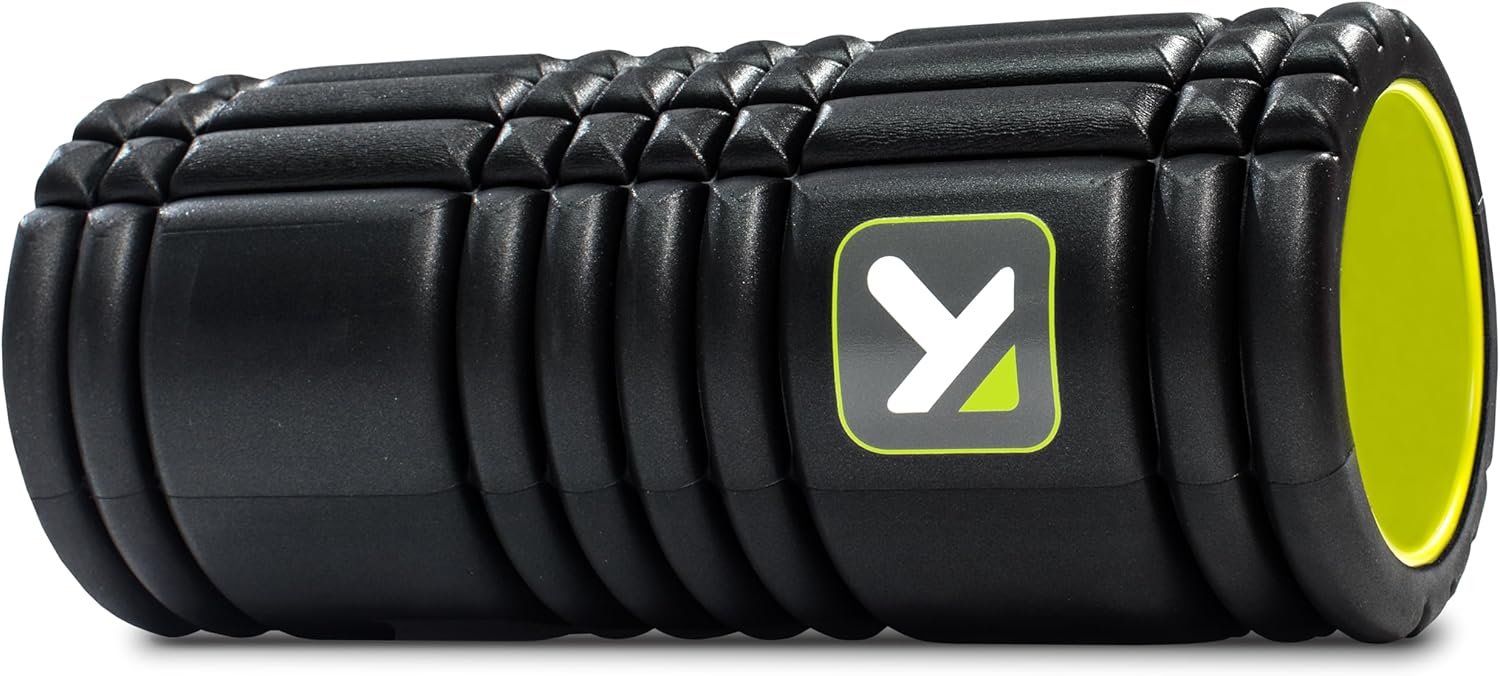
Price: ~£35–£40
Firmness: Medium
Best for: Balanced pressure + control
Why it stands out:
The TriggerPoint GRID is widely used in physiotherapy environments thanks to its multi-density surface, designed to replicate the feel of hands-on massage while maintaining control. It delivers a strong but manageable level of pressure — ideal for people who need muscle release without excessive discomfort.
Best for: 👉 People who want a balance of comfort and intensity.
Key advantages:
- Medium firmness suits most users
- Textured zones allow targeted pressure
- Durable construction prevents collapse
Potential drawback: Those with very high pain sensitivity may prefer starting with a smooth roller.
Verdict: A reliable middle ground that works for both newcomers and regular foam rollers.
LuxFit High-Density Foam Roller — Best for Beginners
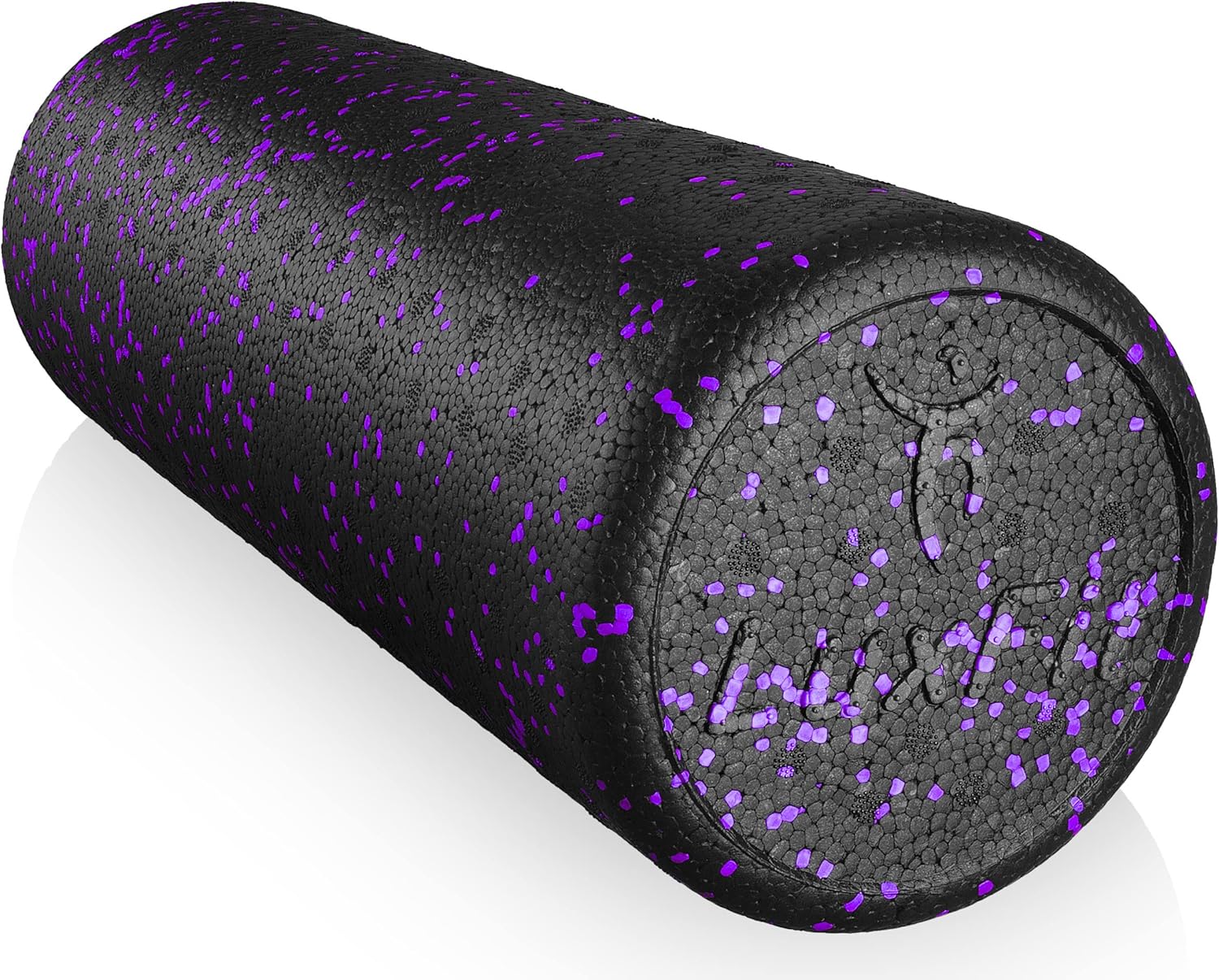
Price: ~£20–£25
Firmness: Medium-soft
Best for: Beginners / sensitive pain
Why it stands out:
The LuxFit's smooth surface distributes pressure evenly across the muscles, reducing the risk of overly aggressive trigger point compression. For people dealing with nerve-related discomfort, predictable pressure matters.
Best for: 👉 Beginners or anyone whose symptoms worsen with deep pressure.
Key advantages:
- Smooth surface encourages controlled rolling
- Stable design supports the spine
- Available in longer lengths for back work
Potential drawback: May not provide enough intensity for advanced users.
Verdict: One of the safest entry points if sciatic pain makes textured rollers uncomfortable.
Yes4All Extra Firm Foam Roller — Best for Deep Release
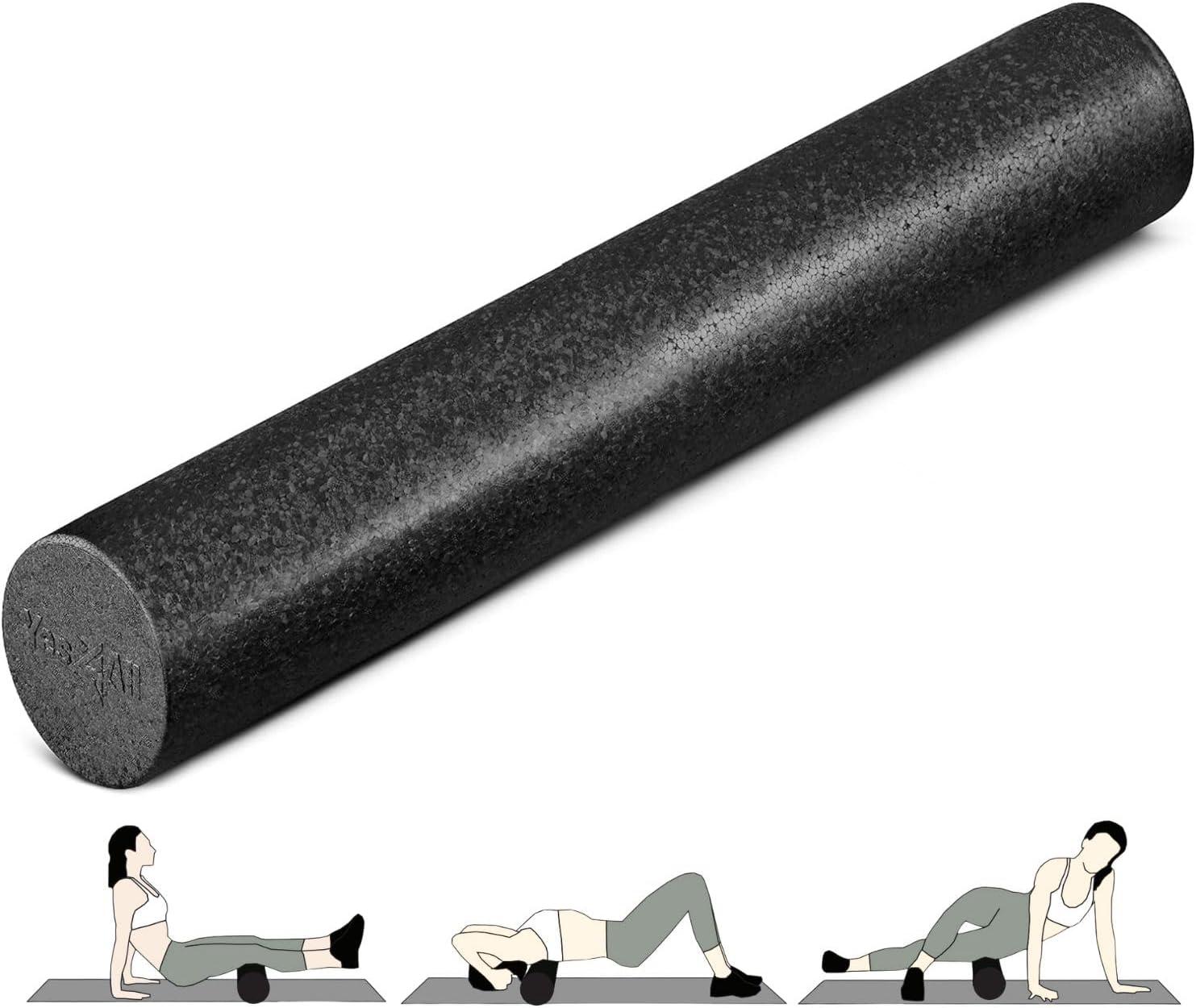
Price: ~£25–£30
Firmness: Firm
Best for: Deep muscle release
Why it stands out:
Designed for heavy use, this roller provides strong, consistent pressure that experienced users often prefer for stubborn muscle tightness. Its longer frame also improves balance when working the posterior chain.
Best for: 👉 People already comfortable with foam rolling who want deeper muscle release.
Key advantages:
- High-density foam resists deformation
- Excellent for glutes and hamstrings
- Long design enhances stability
Potential drawback: Too firm for beginners or during symptom flare-ups.
Verdict: Effective — but only if your body tolerates stronger pressure.
Therabody Wave Roller — Premium Upgrade Pick
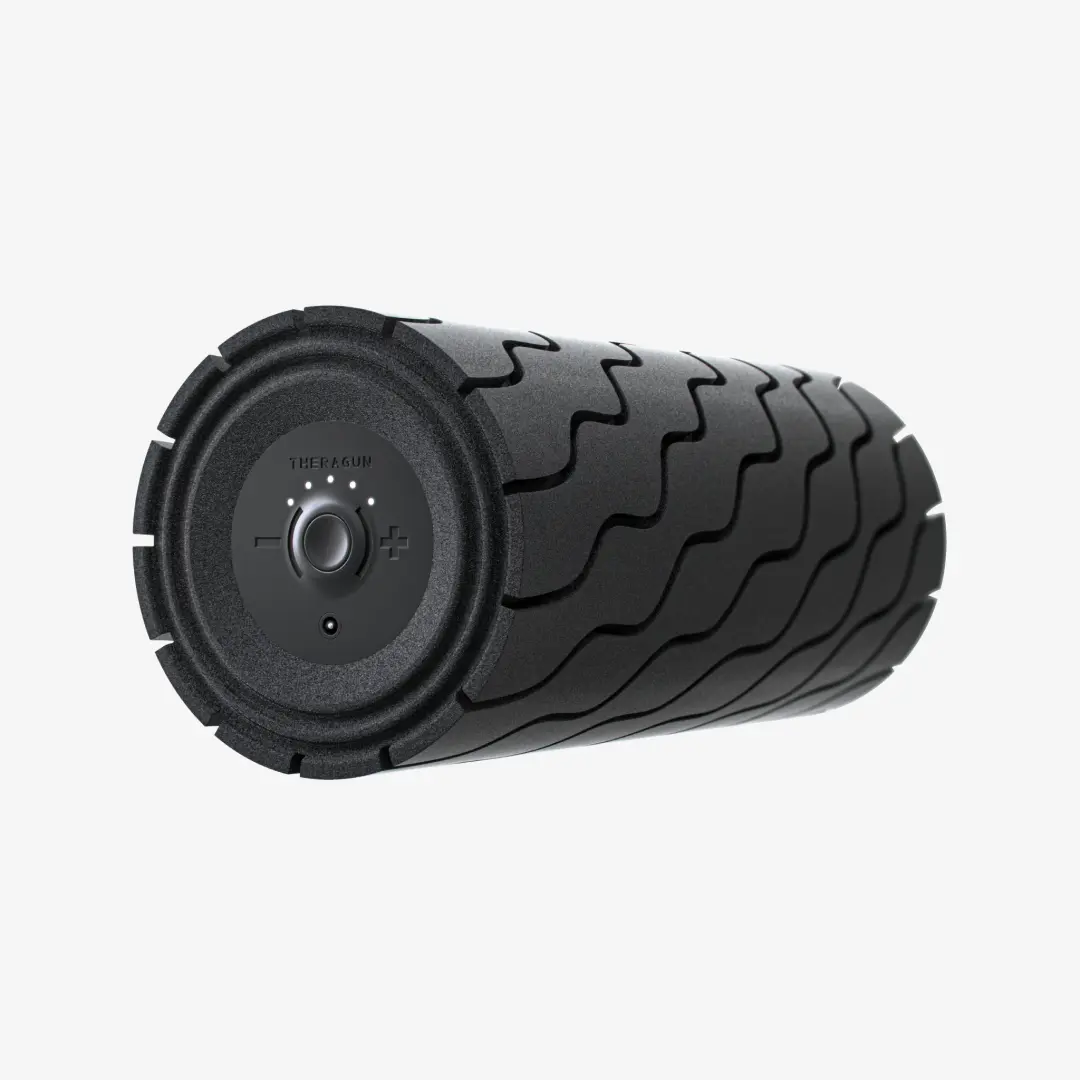
Vibration roller with adjustable intensity for controlled, progressive pressure.
Price: ~£120–£150
Type: Vibration foam roller (adjustable intensity)
Best for: Premium recovery with intensity control
Why it stands out:
Vibration rollers introduce adjustable intensity, which may help relax muscle tone and reduce discomfort during rolling. The Wave Roller allows you to start gently and progress gradually, making it a strong option for people who want more control.
Best for: 👉 Users seeking a high-end recovery tool with customizable pressure.
Key advantages:
- Multiple vibration settings
- Premium build quality
- Can enhance perceived muscle relaxation
Potential drawback: Higher price point than standard rollers.
Verdict: A smart upgrade if you value precision and recovery tech.
How Foam Rolling May Help Sciatica
Foam rolling does not "fix" nerve compression — but it may support the surrounding tissues that influence how the body moves and feels.
Potential mechanisms include:
- Sustained pressure that may help break up fascial adhesions
- Improved tissue mobility around the hips and posterior chain
- Increased blood flow to working muscles
- Short-term reductions in pain perception
The goal is better movement with less guarding, not aggressive tissue breakdown.
Keep expectations realistic: benefits vary, and research is ongoing.
Intro to foam rolling for sciatica pain
⚠️ When NOT to Foam Roll Sciatica
Foam rolling should never worsen symptoms. Avoid rolling and seek professional guidance if you experience:
- Sharp or electric nerve pain
- Increasing leg numbness
- Progressive weakness
- Symptoms that intensify after rolling
A physiotherapist can help identify whether muscular tension is contributing to your discomfort — and show you safe techniques.
When nerve symptoms are involved, guidance matters.
Physio Tips for Foam Rolling With Sciatica
Use these clinician-style principles to reduce risk:
- ✅ Start with 30–60 seconds per muscle group
- ✅ Roll the glutes and hamstrings first, not the lower spine
- ✅ Avoid direct pressure on the lumbar vertebrae
- ✅ Keep movements slow and controlled
- ✅ Stop if pain sharpens
Remember: 👉 Foam rolling should feel like productive pressure — not threat.
Can Foam Rolling Make Sciatica Worse?
It can — particularly if pressure is excessive or applied directly over irritated nerves. Common mistakes include:
- Using rollers that are too firm
- Moving too quickly
- Rolling directly on the lower back
- Ignoring pain signals
Start conservatively and progress gradually.
Is a Soft or Firm Foam Roller Better?
For most people with sciatic discomfort: 👉 Medium density wins. Soft rollers may lack effectiveness, while very firm rollers can provoke muscle guarding. Think controlled pressure, not maximum pressure.
How Often Should You Foam Roll?
Most physiotherapists recommend: 👉 3–5 times per week, depending on tolerance. Short, consistent sessions outperform occasional intense ones. Listen to symptom response — not rigid schedules.
Final Verdict — Which Foam Roller Is Best?
For the majority of users, the TriggerPoint GRID offers the strongest combination of safety, durability, and effective pressure.
- If symptoms are more sensitive, the LuxFit provides a gentler entry point.
- If you already tolerate deeper work, the Yes4All can deliver stronger release.
- And for those wanting advanced recovery tech, the Therabody Wave Roller is a compelling upgrade.
The key is simple:
- 👉 Choose control over intensity.
- 👉 Progress gradually.
- 👉 Prioritise symptom response.
Your goal isn't to "push through" nerve pain — it's to support better, more comfortable movement.
For more on back and nerve-related pain, see our sciatica and best foam rollers guides.
This guide is based on physiotherapy principles and current research but is not a substitute for personalised medical advice.